Greenwood grew during the Gold Rush as a mining and milling community. The California Office of Historic Preservation formally recognized the townsite on November 1, 1954, making it one of the earlier foothill communities to carry a CHL number. The designation applies to the hamlet as a historic place; it does not restrict interior work on privately owned homes.
The oldest homes in the area — pre-1900 structures — often have mortar-bed tile floors two to three inches thick, original cast-iron tubs on adjustable feet, and Victorian-era fixtures with separate hot and cold supplies. A mortar bed that has cracked or settled is removed in full and replaced with a bonded waterproof assembly; Victorian fixtures are matched or substituted with period-appropriate reproductions where original parts are unavailable. Chrome fittings from that era are both historically appropriate and, given the extremely soft water here, an entirely practical long-term choice.
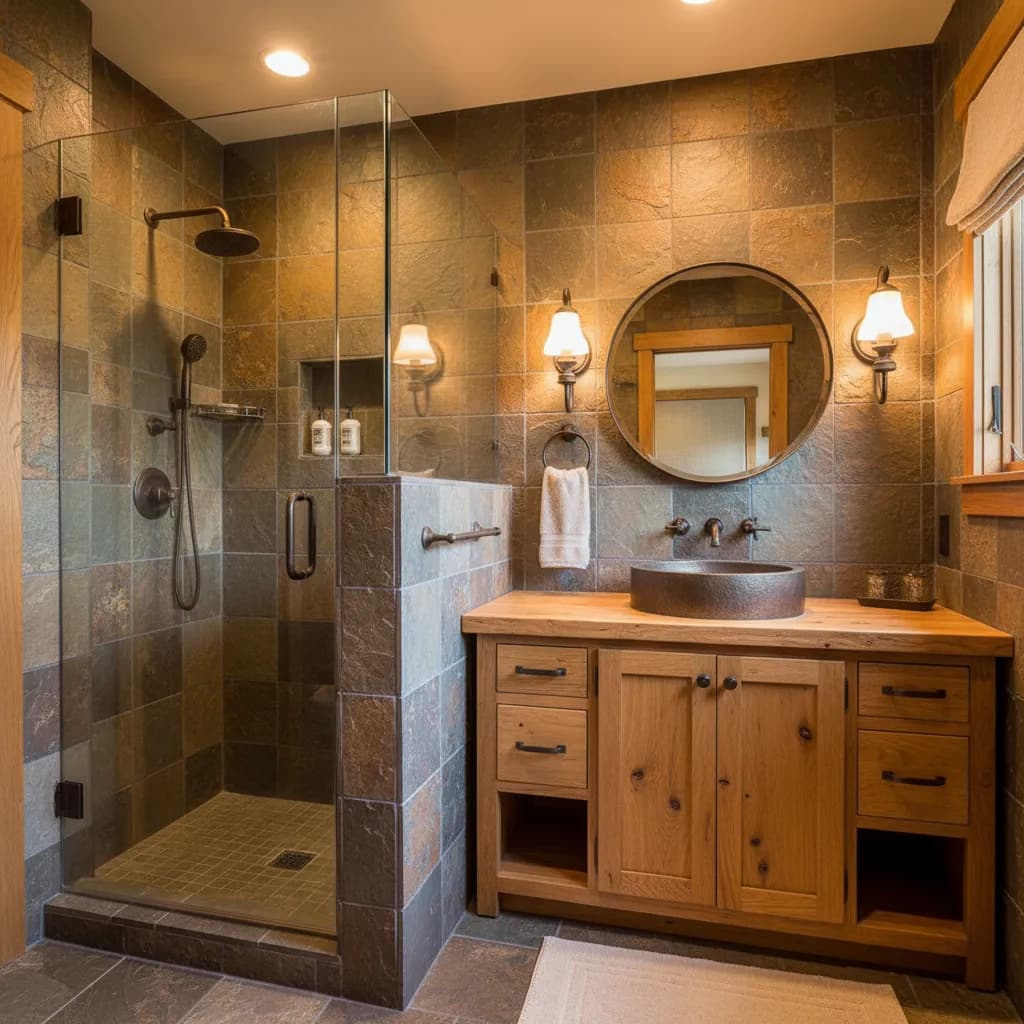
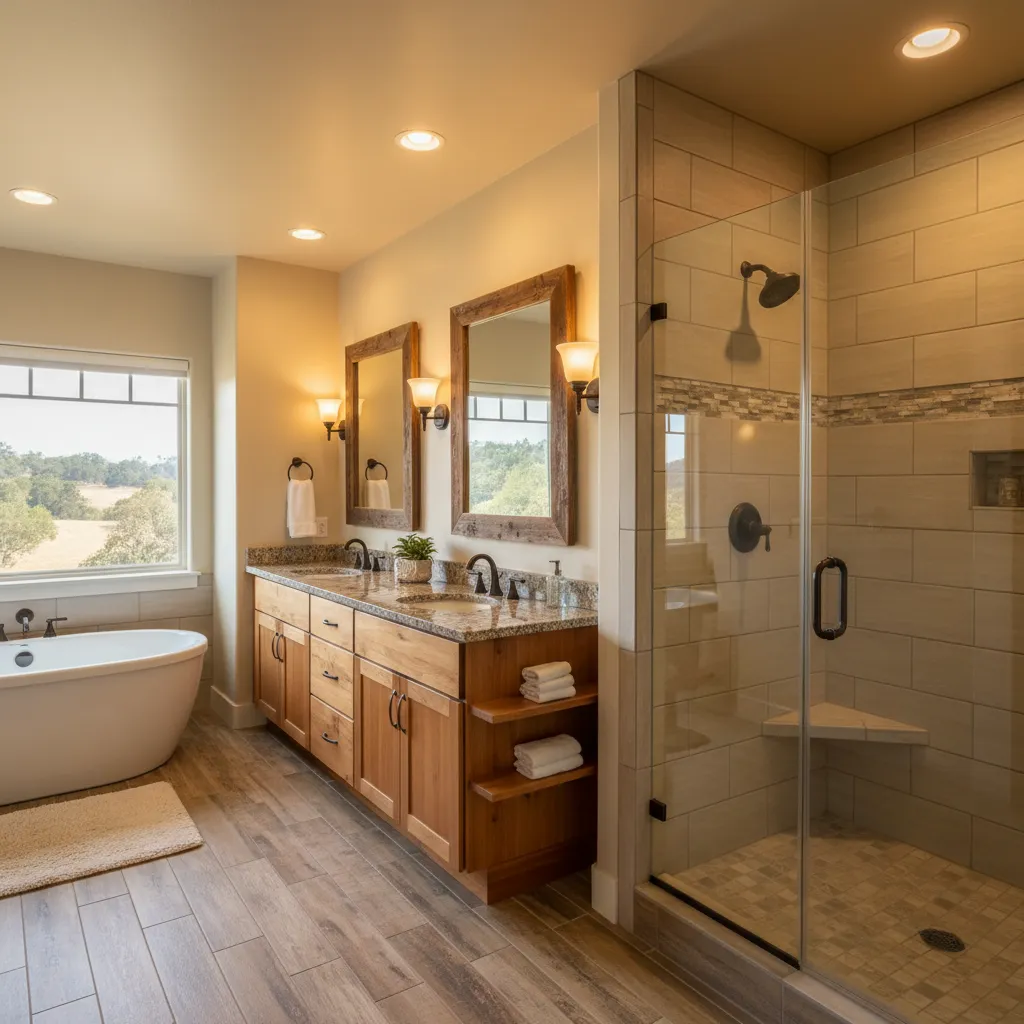
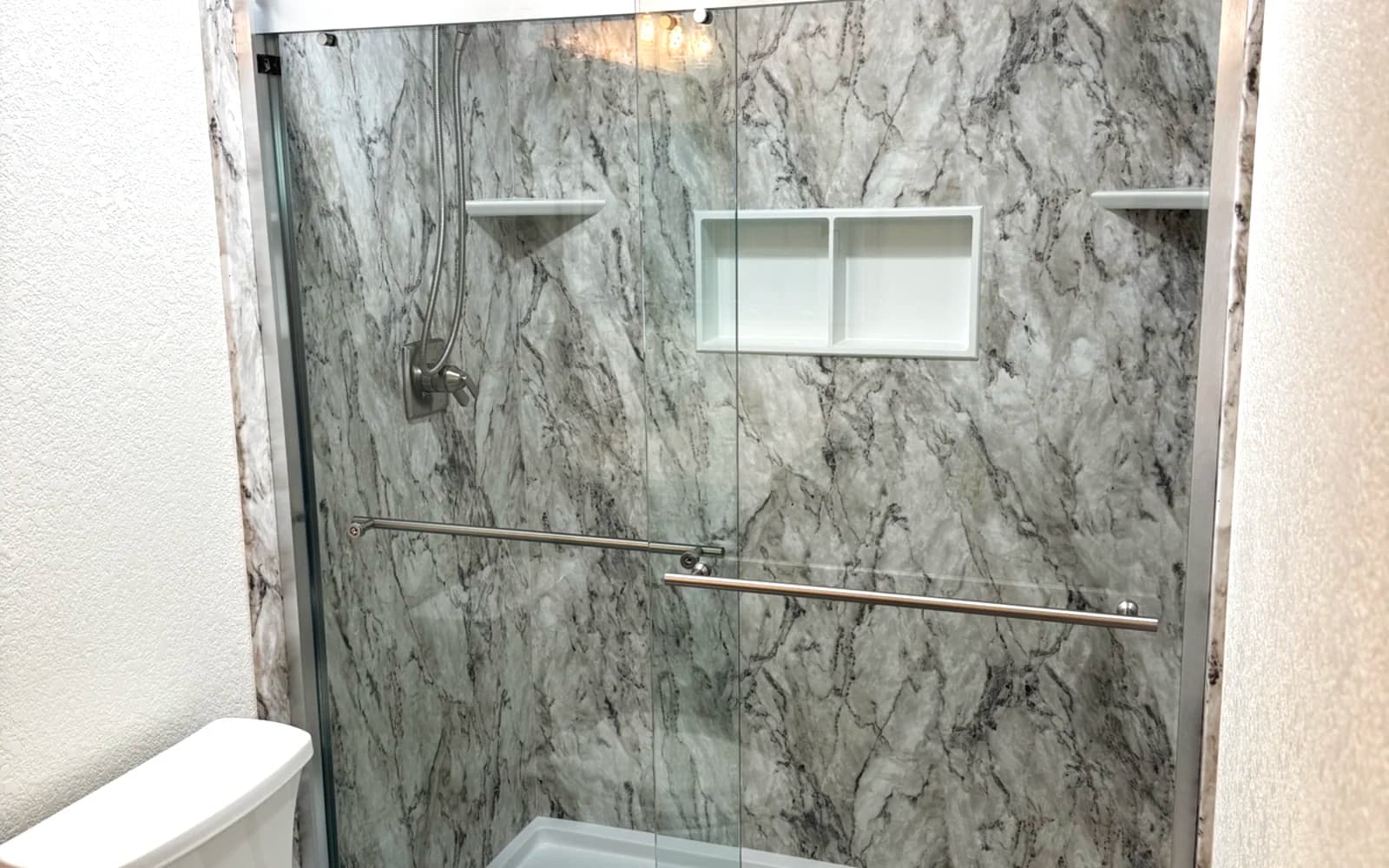
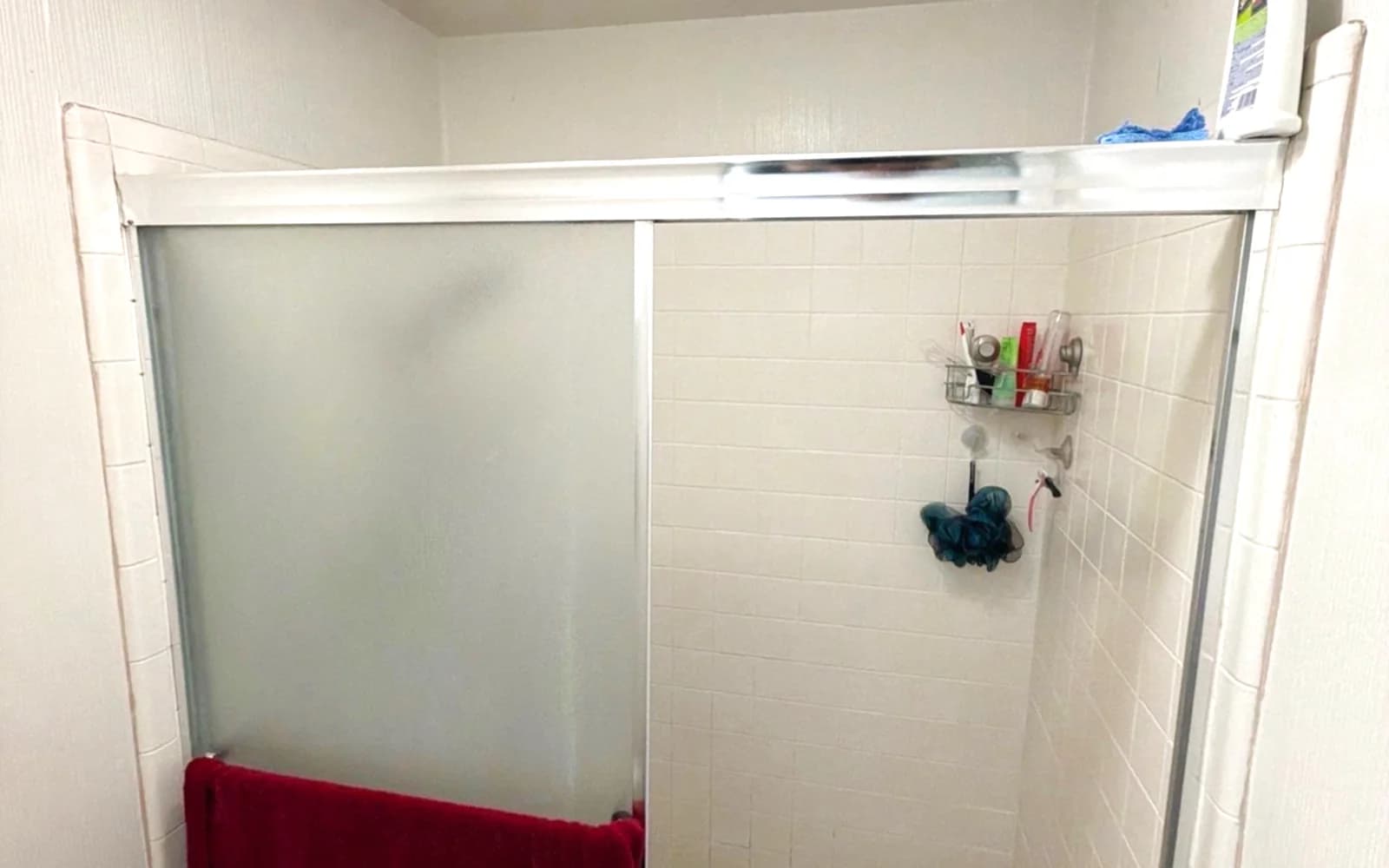
Homes from the 1940s through the 1970s on the divide typically have a one-piece tub-shower surround or ceramic tile set in mud, undersized ventilation and no dedicated GFCI circuit. Updating these bathrooms involves replacing the surround or tile, installing a continuous waterproof membrane behind the new shower wall, upgrading the fan to a ducted unit that exhausts to the exterior and adding the required GFCI protection at the outlet and, for circuits installed after 2014 code cycles, the breaker.
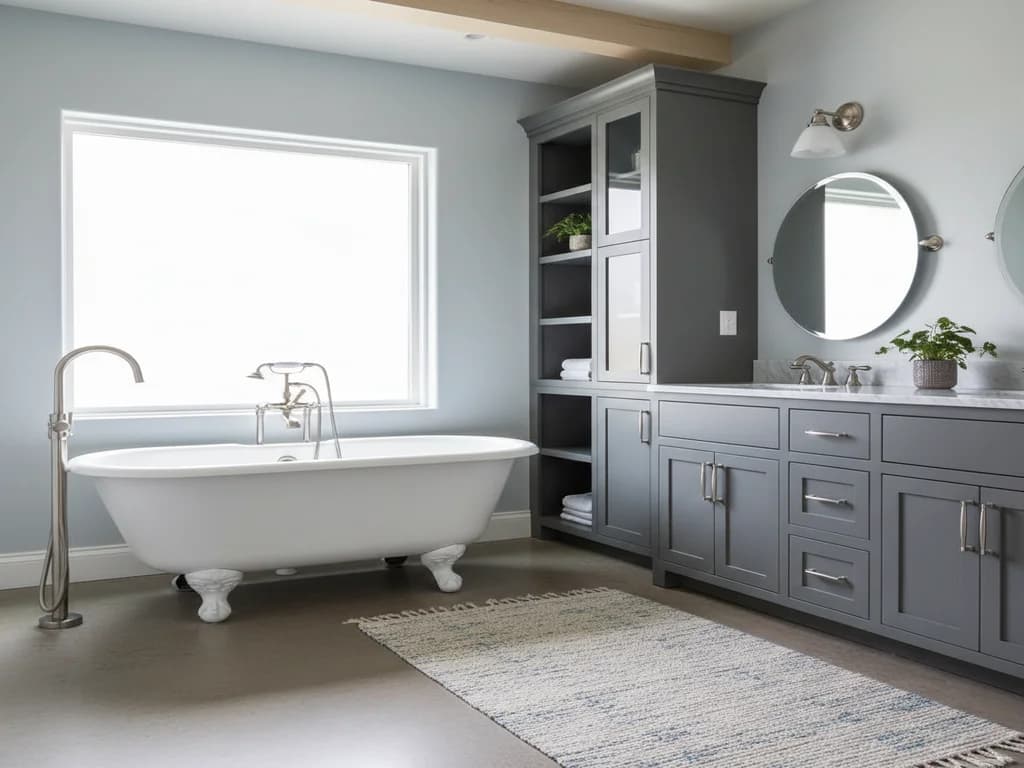
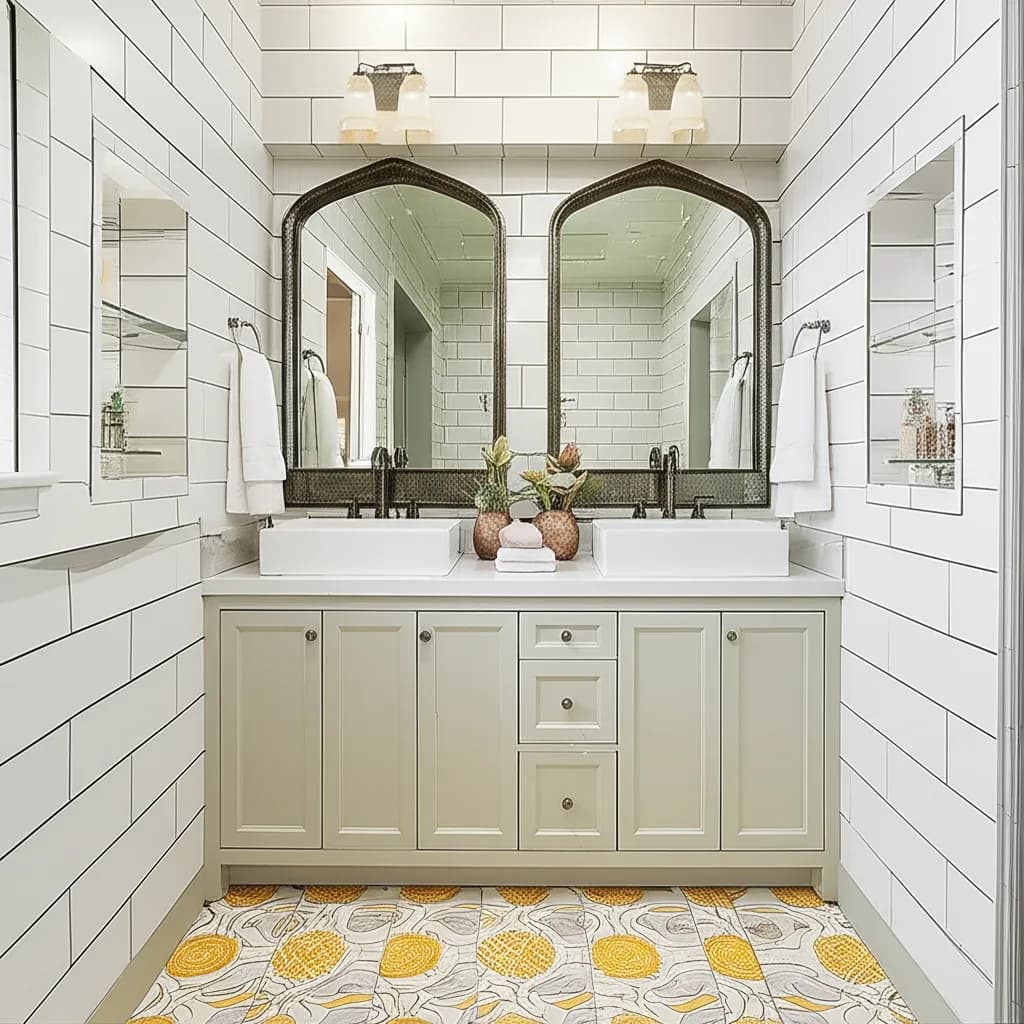
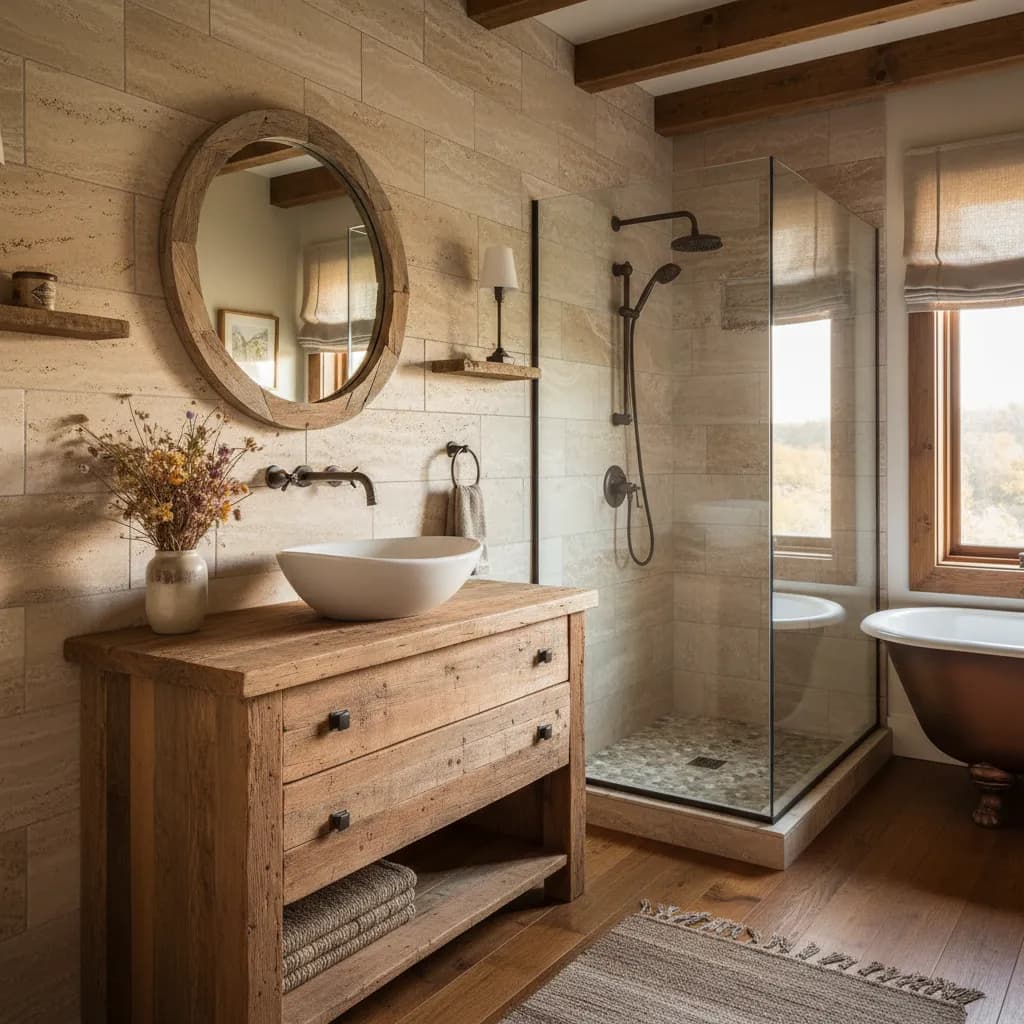
For these older houses, a vintage-inspired bathroom — shiplap or subway tile, a furniture-style vanity, a clawfoot or slipper tub — suits the setting while new plumbing, a waterproof membrane and a ducted fan work behind it. Permits for interior bathroom work on a private home in Greenwood are issued by El Dorado County regardless of the landmark designation. See soaking tub options if you are considering keeping a classic tub form with new plumbing.