Elk Grove is one of California's youngest big cities in every sense: it incorporated on July 1, 2000 — the first California city of the 21st century — and now has about 182,800 residents (ACS 2024). Located in southern Sacramento County between Highway 99 and the Cosumnes River, Elk Grove transformed from rural farmland into miles of master-planned subdivisions in a single generation. The census data captures how concentrated that build-out was: 25.7% of today's housing dates to the 1990s and a remarkable 36.8% to the 2000s, while everything built before 1970 amounts to just 3.5% of the stock. Three-quarters of occupied homes are owner-occupied, and the median owner-occupied value is $648,700 — the highest of the Sacramento County markets we serve.
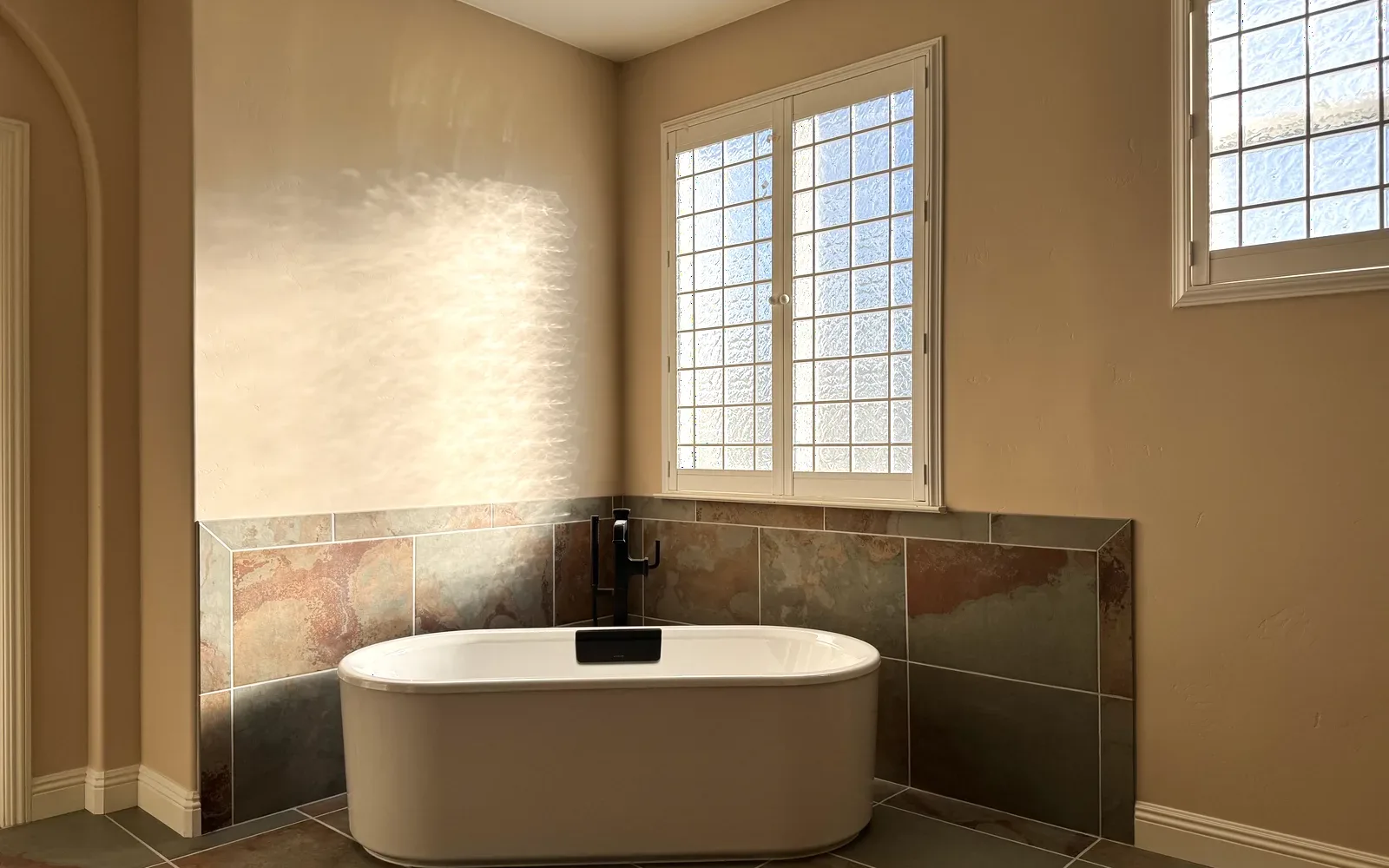
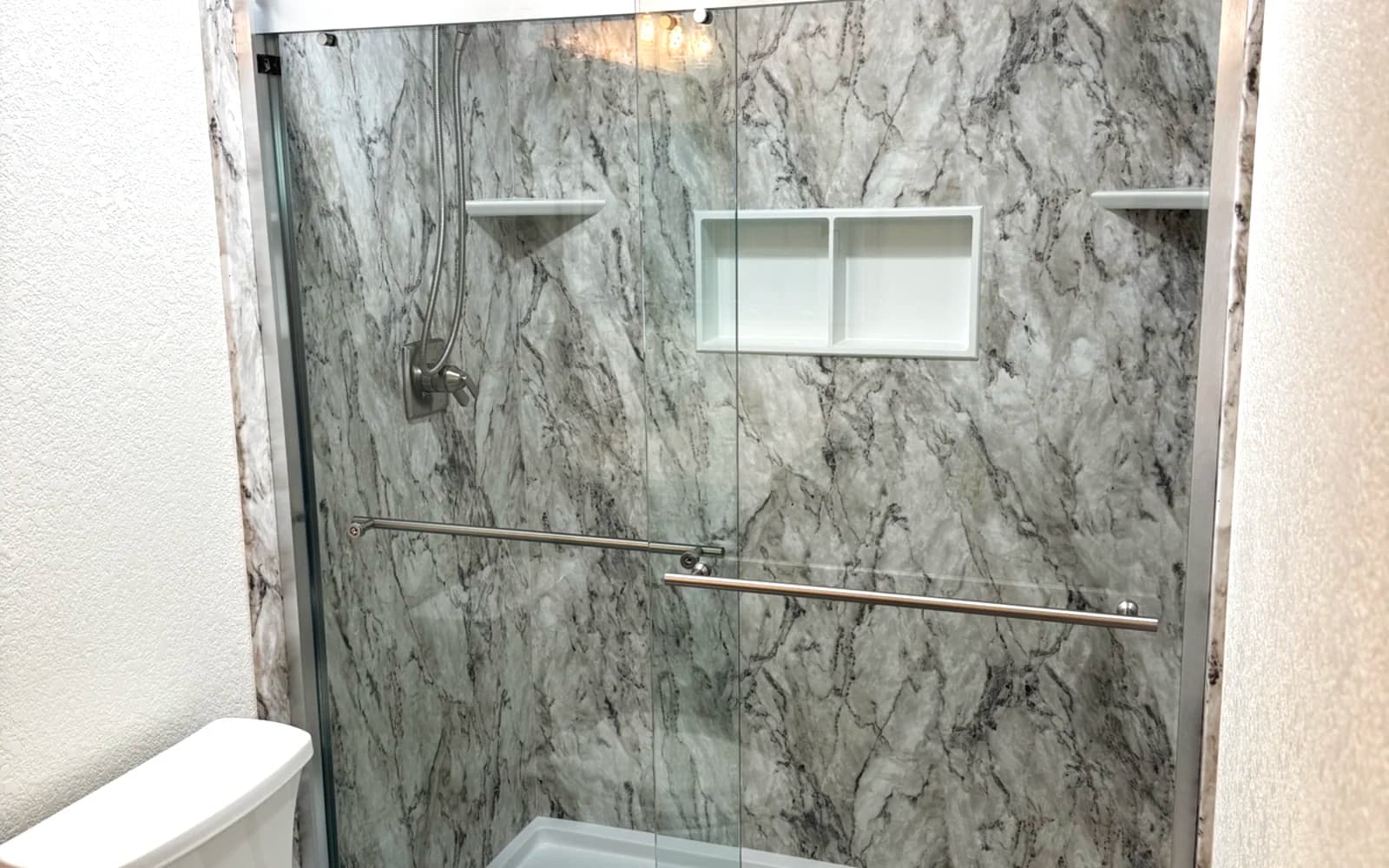
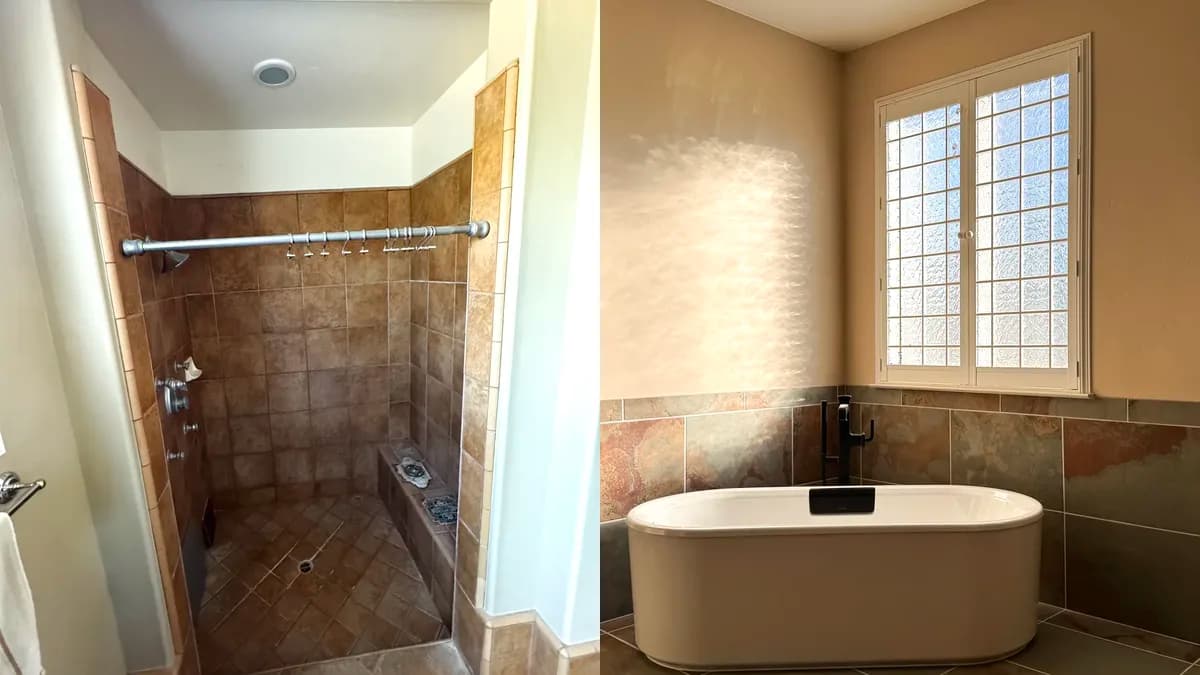
For bathroom remodeling, that profile defines the work. The vast majority of Elk Grove projects fall into one category: upgrading builder-grade bathrooms in 10-to-25-year-old homes where the structural bones are excellent but the finishes have reached the end of their useful life. This is the most cost-effective type of bathroom remodel there is, because little of the budget goes to infrastructure — it goes directly into the materials and fixtures you'll see and use every day.
Old Town Elk Grove: Where the City Started (1850)
The original Elk Grove — centered on Elk Grove Boulevard near the railroad — began in 1850 as a hotel and stage-coach stop about 15 miles south of Sutter's Fort, and the Old Town district still holds the city's collection of historic buildings. The homes in and around Old Town represent most of Elk Grove's small pre-1970 housing share, and they remodel like Sacramento's older neighborhoods rather than like the rest of Elk Grove: aging supply lines and drain stacks, small single-bathroom floor plans, and the hidden conditions that come with age. Our estimates for these homes include contingency for discoveries behind the walls, and timelines account for infrastructure work before any finish installation begins.
Laguna West, Stonelake & the 1990s Build-Out
A quarter of Elk Grove's housing dates to the 1990s, when Laguna West and the neighborhoods west of Highway 99 established the city's master-planned pattern (Laguna West's recycled-water system, from 2003, still serves it — one of several city-documented distinctions of these neighborhoods, along with Stonelake's own community-services benefit zone). These homes are now 25 to 35 years old — the age where original fiberglass surrounds, cultured-marble vanities and builder fixtures are visibly worn while the systems behind them remain sound. They are Elk Grove's most complete finish-replacement projects.
Laguna Ridge & East Franklin: The 2000s Boom (36.8% of the City)
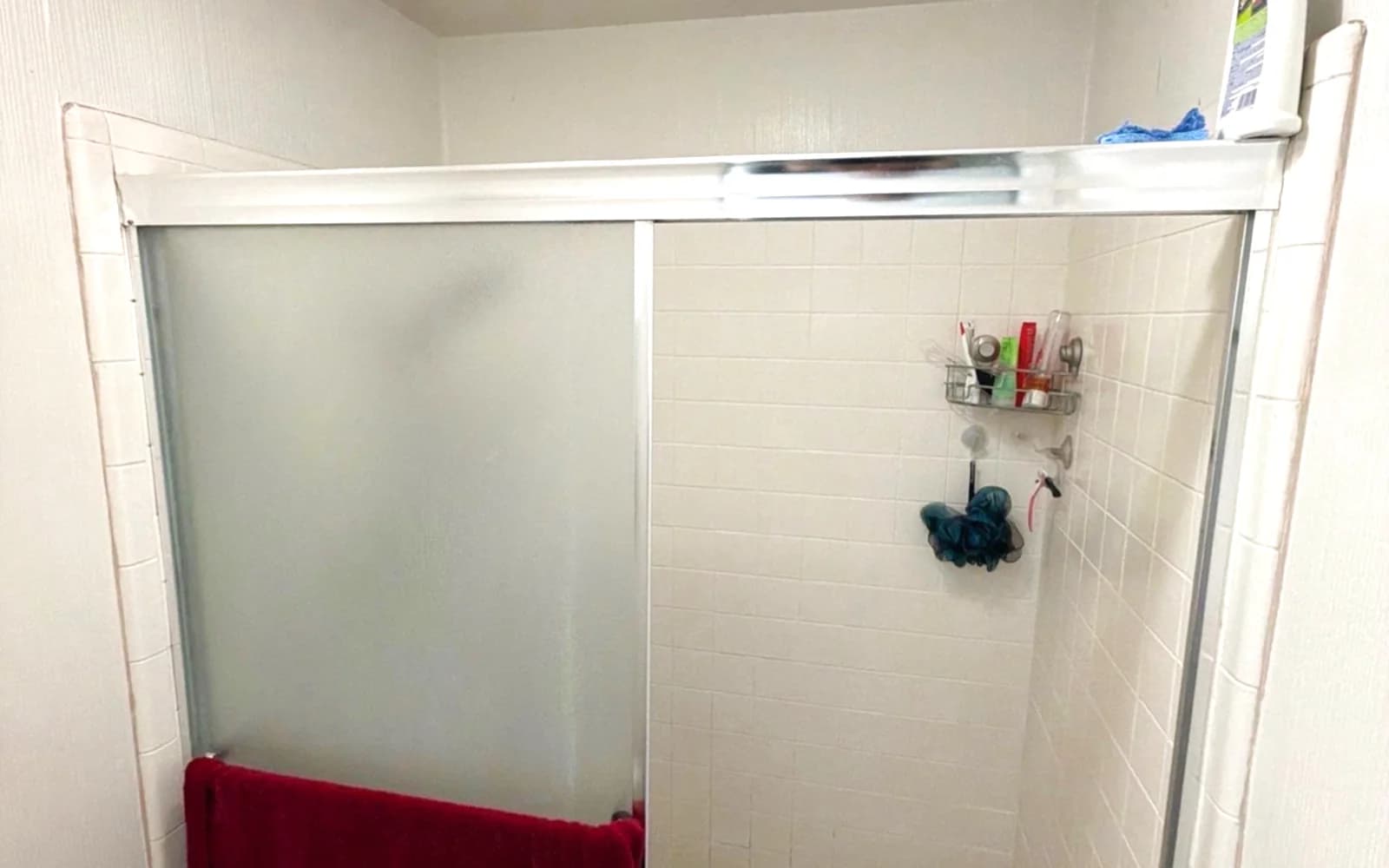
The 2000s were Elk Grove's defining construction decade — 20,753 housing units, 36.8% of everything in the city. Two adopted city plans anchor it: the Laguna Ridge Specific Plan, roughly 1,900 acres in southwest Elk Grove adopted in June 2004, and the East Franklin Specific Plan east of Highway 99. Production builders delivered these homes with the same bathroom template found across all Sacramento-area tract housing of the era: fiberglass tub-shower combos, cultured marble vanity tops with integral sinks, basic chrome fixtures, builder mirrors, and vinyl or low-grade ceramic flooring — engineered for model-home photography, not long-term durability.
After 10 to 25 years of daily use by busy Elk Grove families, these builder-grade bathrooms are showing their age: yellowed and surface-cracked fiberglass, stained cultured marble, corroded chrome, delaminating mirror edges, worn flooring. Replacing these finishes transforms the bathroom — and because the plumbing and framing are sound, the remodel is faster and more affordable than work in older homes. Master bathrooms in these plans are typically generous, 80 to 120 square feet with separate tub and shower alcoves, double vanities, and private water closets: the layout works, and the materials are what need replacing.
The Newest Elk Grove: 2010s and 2020s Construction
Growth hasn't stopped — 10.3% of the city's housing was built in the 2010s and another 5.4% since 2020, with construction continuing in the city's newest planned areas. Buyers there have an opportunity most homeowners never get: upgrading bathrooms before or immediately after the builder-grade finishes are installed, saving the cost and waste of demolishing brand-new materials. We execute day-one customization right after closing.