Sacramento Bathroom Remodel Permits & Timeline: What Every Homeowner Needs to Know (2026 Guide)
The complete guide to bathroom remodel permits in Sacramento — when you need one, what it costs, how long the process takes, and how to avoid the mistakes that delay projects and inflate budgets
Looking for bathroom remodeling in Sacramento? View our Sacramento service area page →
Table of Contents
- 1. When You Need a Permit in Sacramento (Cosmetic vs Structural)
- 2. City of Sacramento vs Sacramento County — Who Issues Your Permit
- 3. 2026 Permit Costs Broken Down
- 4. Complete Timeline: Application to Final Inspection
- 5. Plumbing, Electrical, and Mechanical Sub-Permits
- 6. Sacramento-Specific Code Requirements (Title 24, Ventilation, GFCI)
- 7. What Inspectors Look For — Common Failures
- 8. Permit Mistakes That Cost Homeowners Time and Money
- 9. When to Hire a Licensed Contractor vs DIY Permit Pull
- 10. Frequently Asked Questions
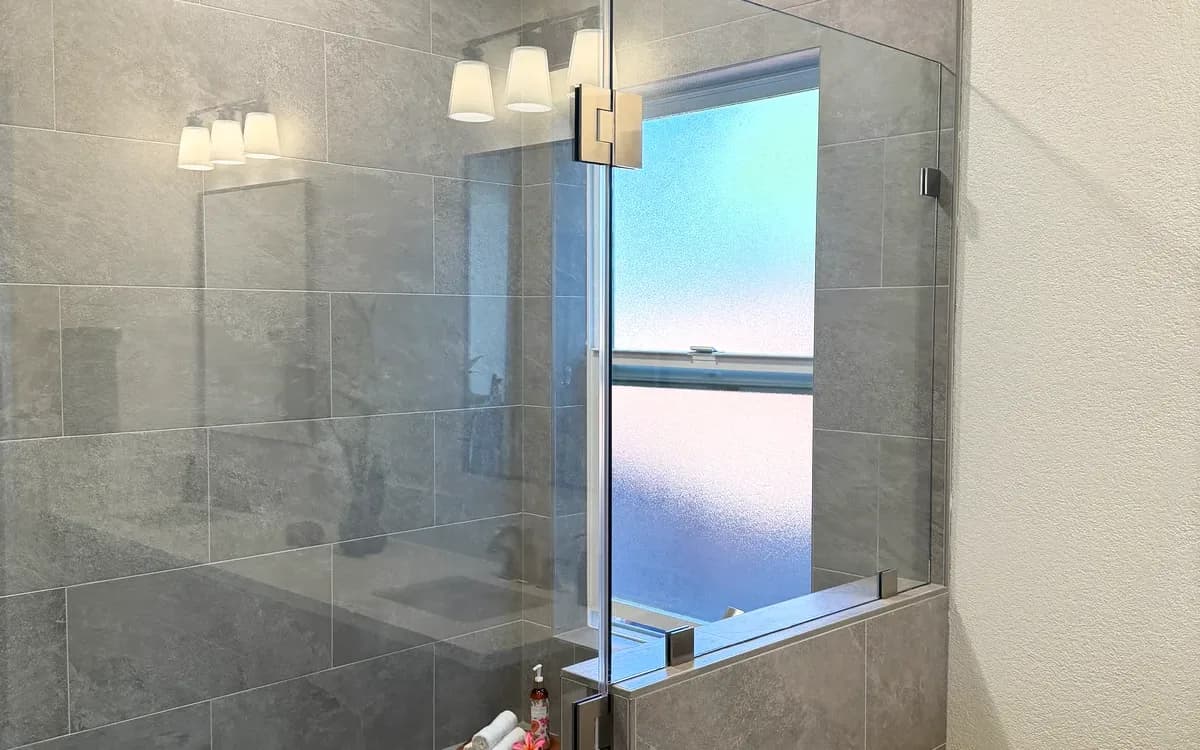
Understanding Sacramento bathroom remodel permits saves time, money, and headaches throughout your renovation project
When You Need a Permit in Sacramento (Cosmetic vs Structural)
Not every bathroom update requires a trip to the permit office. Sacramento draws a clear line between cosmetic improvements and structural or system-level changes, and understanding where your bathroom remodeling project falls on that spectrum is the first decision you need to make. Getting it wrong in either direction costs you: pulling an unnecessary permit wastes time and money, while skipping a required permit exposes you to stop-work orders, fines, and complications when you eventually sell your home.
Cosmetic updates that do NOT require a permit in Sacramento: Painting walls and ceilings, replacing cabinet hardware and drawer pulls, installing new bathroom accessories such as soap dishes and robe hooks, swapping a vanity for a new one in the same footprint without moving plumbing connections, replacing a mirror, mounting towel bars and shelving, changing out a faucet at the same supply location, and replacing a showerhead. These are surface-level changes that do not alter your home's plumbing, electrical, or structural systems, and Sacramento does not regulate them through the permitting process.
Work that DOES require a permit: Any project that involves plumbing changes — adding, moving, or removing drain lines, supply lines, or vent stacks — requires a plumbing permit. Electrical changes including adding circuits, moving outlets, or installing new wiring require an electrical permit. Structural modifications such as moving or removing walls, enlarging window or door openings, or altering load-bearing elements require a building permit. Changing the bathroom layout by moving fixtures to new locations, adding a fixture where none existed, or converting a closet into a bathroom all trigger permit requirements. If your project involves any combination of these systems, you will need the corresponding combination of permits.
There are several gray areas that trip up Sacramento homeowners regularly. Replacing a bathtub with the same type and size of tub in the exact same location generally does not require a permit, because you are not modifying any plumbing connections. However, converting a bathtub to a walk-in shower almost always requires a permit, because the drain location typically changes and the project involves waterproofing modifications that must meet current code. Replacing a toilet does not require a permit if the new toilet sits in the same location and connects to the existing flange and supply line. Adding a second sink to a vanity that previously had one requires a plumbing permit because you are adding a new drain and supply connection.
The City of Sacramento Community Development Department handles all building permits for properties within the city limits. Their office at 300 Richards Blvd is the starting point for permit applications, plan submissions, and general questions about whether your specific project requires a permit. If you are unsure about your project, calling ahead or visiting the permit counter for an informal review can save you significant time and potential problems down the road. Sacramento's staff is generally helpful with preliminary questions and can confirm whether your scope of work triggers permit requirements before you invest in formal plans or begin construction.
The bottom line is straightforward: if your project touches plumbing pipes, electrical wires, or the structural skeleton of your home, you need a permit. If you are only changing what is visible on the surface without modifying any systems behind the walls, you are likely in the clear. When a project combines both cosmetic and permitted work — for example, retiling a shower while also relocating the showerhead supply line — the entire scope falls under the permit umbrella.
City of Sacramento vs Sacramento County — Who Issues Your Permit
One of the most common sources of confusion for Sacramento-area homeowners is figuring out which agency handles their building permits. The answer depends entirely on whether your property sits within the City of Sacramento or in unincorporated Sacramento County, and the two jurisdictions have different offices, different portals, and sometimes different fee structures.
City of Sacramento: If your property is within the city limits, your permits are handled by the City of Sacramento Community Development Department, located at 300 Richards Blvd, Sacramento, CA 95811. The city uses the SacGov online portal for permit applications, plan submissions, and inspection scheduling. City permits tend to have slightly shorter review timelines due to a larger review staff, and the city has been investing in streamlining their digital permitting process over the past several years.
Unincorporated Sacramento County: Properties outside city limits but within Sacramento County fall under the Sacramento County Building Division. Their offices and permitting process are separate from the city. County permits follow a similar overall process but may have different fee calculations and review timelines. If your address includes a Sacramento mailing address but you are technically in the unincorporated county area, it is the county building division — not the city — that handles your permit.
How to check which jurisdiction you are in: The simplest method is to look at your property tax bill, which identifies whether you are in the City of Sacramento or unincorporated Sacramento County. You can also use the Sacramento County Assessor's parcel viewer online tool, which shows jurisdictional boundaries overlaid on a map. Your contractor should know how to confirm this, but it is worth verifying yourself to avoid filing with the wrong agency.
Several Sacramento-area suburbs operate their own building departments entirely separate from both the city and the county. Folsom has its own building department with its own permit applications and fee schedules. Elk Grove, Citrus Heights, and Rancho Cordova each have independent building departments as well. If you live in any of these incorporated cities, you must apply through their local building department rather than the City of Sacramento or Sacramento County. Each jurisdiction sets its own fees, review timelines, and inspection procedures, though all enforce the same underlying California Building Code.
For homeowners working with a licensed contractor on their Sacramento bathroom remodel, the contractor typically handles jurisdictional determination as part of their standard process. They know the local agencies, have established relationships with plan reviewers and inspectors, and can navigate the differences between city and county requirements efficiently. This is one of the many practical advantages of hiring a contractor who works specifically in the Sacramento market.
2026 Permit Costs Broken Down
Permit fees are one of the most frequently asked-about aspects of bathroom remodeling in Sacramento, partly because the costs are not always transparent upfront. Sacramento calculates building permit fees based on project valuation — the estimated cost of the construction work — using a standardized fee schedule. Here is what Sacramento homeowners should budget for permit-related costs in 2026.
Building permit fee: The primary building permit for a bathroom remodel in Sacramento ranges from $200 to $800 depending on the total project valuation. A straightforward fixture replacement project at the lower end of the valuation scale will fall closer to $200, while a full gut remodel valued at $30,000 or more will approach the $800 mark. Sacramento uses a tiered fee table where the rate per thousand dollars of valuation decreases as the total project value increases, so the relationship between project cost and permit fee is not perfectly linear.
Plan review fee: Sacramento charges a plan review fee that is typically 65% of the building permit fee. This covers the cost of having a plan reviewer examine your submitted drawings and specifications for code compliance before the permit is issued. On a $500 building permit, the plan review adds approximately $325. Some simple projects may qualify for over-the-counter review, which can reduce or eliminate the plan review fee, but most bathroom remodels involving plumbing and electrical changes require formal plan review.
Sub-permit fees: In addition to the primary building permit, each trade that requires its own permit adds separate fees. Plumbing sub-permits for bathroom remodels typically run $80 to $200, covering the review and inspection of drain, supply, and vent modifications. Electrical sub-permits range from $80 to $200 for circuit additions, GFCI upgrades, and exhaust fan wiring. Mechanical sub-permits for ventilation modifications cost $80 to $150. A bathroom remodel that involves all three trades — which most full remodels do — will incur all three sub-permit fees.
Total typical range: When you add up the building permit, plan review, and applicable sub-permits, the total permit cost for a Sacramento bathroom remodel falls in the $400 to $1,200 range. A modest project that only involves plumbing changes will come in at the lower end. A comprehensive gut remodel with plumbing, electrical, and mechanical work across multiple fixtures will approach or exceed the higher end. These fees are a small percentage of total project cost — typically 2% to 4% — but they are a non-negotiable part of a code-compliant renovation.
Additional fees can apply in certain circumstances. Technology surcharges, state-mandated fees, and building standards fees add small amounts on top of the base permit cost. If your project requires expedited plan review, Sacramento charges a premium — typically 50% to 100% above the standard plan review fee — for faster turnaround. Some homeowners find the expedited option worthwhile when construction scheduling makes the standard 2-to-4-week review timeline a problem.
For the most current fee schedule, visit the City of Sacramento Community Development building page. Fee schedules are updated periodically, and verifying current rates before budgeting ensures you are working with accurate numbers. Your contractor should be able to provide a permit cost estimate as part of their project proposal, but it helps to understand the fee structure yourself so you can evaluate that estimate critically.

Complete Timeline: Application to Final Inspection
Understanding the full timeline of a permitted bathroom remodel in Sacramento helps you set realistic expectations and avoid the frustration of unexpected delays. The permit process adds time to your project that many homeowners do not fully account for during initial planning. Here is a detailed breakdown of each phase, from the moment you decide to remodel through the final inspection sign-off.
Phase 1 — Pre-application design and drawings (1 to 2 weeks): Before you can submit a permit application, you need construction drawings that show the proposed work in sufficient detail for plan review. For a bathroom remodel, this typically includes a floor plan showing existing and proposed layouts, plumbing riser diagrams if you are relocating fixtures, electrical plans showing outlet and fixture locations, and specifications for materials and fixtures that must meet code requirements. A contractor or designer prepares these drawings. Simple projects may require only basic floor plans, while complex remodels with layout changes need more detailed engineering drawings. This preparation phase takes one to two weeks depending on project complexity and how quickly design decisions are finalized.
Phase 2 — Plan submission: Sacramento accepts permit applications through the SacGov online portal for most residential projects. You upload your drawings, fill out the application forms, provide project valuation information, and pay the initial fees. The submission itself takes a few hours if your documents are prepared, but getting everything formatted correctly and ensuring you have included all required information can take a full day for first-time applicants. Your contractor handles this step as part of their services if you are using a licensed professional.
Phase 3 — Plan review (2 to 4 weeks standard, 1 to 2 weeks expedited): This is the phase where the city or county reviews your submitted plans against current building codes. The plan reviewer checks your proposed work for compliance with structural, plumbing, electrical, mechanical, energy (Title 24), and accessibility requirements. Standard plan review in Sacramento currently takes two to four weeks for residential bathroom projects. If corrections are required — and they frequently are on the first submission — you address the reviewer's comments, resubmit, and wait for a re-review cycle that typically takes one to two additional weeks. Expedited review, available for an additional fee, shortens the initial review to one to two weeks. For a detailed bathroom remodel timeline, factor this review period into your overall project schedule from the start.
Phase 4 — Permit issuance (1 to 3 business days): Once your plans are approved, the permit is issued within one to three business days. You pay any remaining fees, and the permit card is either mailed or made available for pickup. The permit must be posted at the job site in a visible location before construction begins. Your permit includes a list of required inspections and the approved plans that must be on-site during all work.
Phase 5 — Construction (3 to 8 weeks): The active construction phase for a permitted bathroom remodel in Sacramento runs three to eight weeks depending on scope. A partial remodel that replaces fixtures and updates surfaces may take three to four weeks. A full gut remodel with layout changes, new plumbing routes, electrical upgrades, and custom tile work extends to six to eight weeks. Construction must follow the approved plans — any significant deviations require a plan revision and additional review, which adds time.
Phase 6 — Inspections: Sacramento requires inspections at specific milestones during construction. The rough-in inspection must happen after plumbing, electrical, and framing work is complete but before walls are closed up with drywall or backer board. The final inspection occurs after all work is finished, fixtures are installed, and the bathroom is fully functional. Inspections must be scheduled at least 48 hours in advance through the city's inspection request system. Failed inspections require corrections and re-inspection, which can add days to your timeline.
Total timeline: 8 to 16 weeks start to finish. At the faster end, a straightforward remodel with no plan review corrections, efficient construction, and inspections that pass on the first attempt can wrap up in eight to ten weeks. At the slower end, projects with plan review corrections, material delays, complex construction, and re-inspections extend to fourteen to sixteen weeks. Most Sacramento bathroom remodels with permits fall in the ten-to-twelve-week range when everything proceeds reasonably smoothly.
Timeline Quick Reference:
Design & drawings: 1-2 weeks | Plan review: 2-4 weeks | Permit issuance: 1-3 days | Construction: 3-8 weeks | Inspections: scheduled 48 hrs ahead | Total: 8-16 weeks

Plumbing, Electrical, and Mechanical Sub-Permits
Most bathroom remodels in Sacramento require more than just a general building permit. The work typically involves multiple licensed trades, and each trade that modifies building systems requires its own sub-permit with its own inspections. Understanding these sub-permits helps you budget accurately and ensures nothing falls through the cracks during the permitting process.
Plumbing sub-permit: A plumbing permit is required whenever your bathroom remodel involves adding, moving, or modifying drain lines, water supply lines, or vent stacks. Common bathroom projects that trigger plumbing permits include relocating a shower drain for a tub-to-shower conversion, adding supply lines for a second sink, extending or rerouting vent stacks to accommodate a new layout, and replacing galvanized supply pipes with copper or PEX. The plumbing permit covers both the plan review of your proposed plumbing work and the inspections — a pressure test of supply lines and a drain test of waste lines during the rough-in phase, plus a final inspection once fixtures are installed and operational. Plumbing sub-permit fees in Sacramento typically run $80 to $200 depending on the number of fixtures affected.
Electrical sub-permit: An electrical permit is required for bathroom remodeling work that involves adding new circuits, installing new outlets or switches, upgrading existing wiring, or connecting hardwired fixtures like exhaust fans and heated floors. In Sacramento bathrooms, common electrical permit triggers include adding dedicated GFCI-protected circuits for the bathroom, relocating outlets to comply with current code placement requirements, wiring for new exhaust fan installations, adding circuits for heated towel racks or radiant floor systems, and upgrading the electrical panel to support additional bathroom circuits. The electrical sub-permit ensures a licensed electrician reviews and inspects all wiring changes for safety and code compliance. Fees range from $80 to $200.
Mechanical sub-permit: The mechanical permit covers HVAC and ventilation work. In bathroom remodels, the most common trigger is adding or modifying exhaust ventilation. If you are installing a new bathroom exhaust fan, replacing an existing fan with one that vents through a different route, or adding ducting to connect a fan to an exterior wall or roof vent, a mechanical permit is required. Sacramento code requires all bathroom exhaust to vent to the building exterior — not into an attic or soffit — and the mechanical permit inspection verifies proper installation and adequate airflow capacity. Mechanical sub-permit fees for bathroom ventilation work typically fall in the $80 to $150 range.
Who pulls the sub-permits: When you hire a licensed general contractor for your bathroom remodel, the GC pulls all permits including sub-permits as part of their scope of work. The GC coordinates with licensed plumbing, electrical, and mechanical subcontractors who perform the trade-specific work under those sub-permits. If you are acting as a homeowner-builder, you can pull the sub-permits yourself, but you are then responsible for hiring appropriately licensed subcontractors for each trade — California law requires that plumbing, electrical, and HVAC work be performed by contractors holding the appropriate specialty license (C-36 for plumbing, C-10 for electrical, C-20 for HVAC) unless you are doing the work yourself on your own home.
A critical point many homeowners miss: sub-permits are not optional add-ons. If your project involves plumbing, electrical, or mechanical work, each applicable sub-permit is legally required even if you have a general building permit. Pulling only the building permit while skipping sub-permits is a common mistake that creates inspection problems and potential code violations. Your contractor should itemize all required permits in their proposal so you know exactly what is being filed with the city.
Sacramento-Specific Code Requirements (Title 24, Ventilation, GFCI)
Sacramento enforces the California Building Standards Code, which includes several requirements that go beyond the base national building code. These California-specific requirements affect nearly every permitted bathroom remodel and are a primary focus of both plan review and field inspections. Understanding them helps you plan a project that passes inspections on the first attempt and avoids costly corrections. For a comprehensive look at all California bathroom building codes in 2026, we cover the full code landscape in a separate guide.
Title 24 Part 6 — Energy Efficiency Standards: California's energy code has significant implications for bathroom remodels. Lighting in remodeled bathrooms must meet Title 24 efficiency requirements, which effectively mandate LED fixtures or other high-efficacy light sources. If you are adding or replacing lighting, the fixtures must meet the current luminous efficacy standards, and you will likely need to include controls such as dimmer switches or occupancy sensors depending on the room size and configuration. Insulation requirements apply when walls are opened during remodeling — if you expose wall cavities, Sacramento requires that you bring insulation up to current code standards before closing walls. This adds material and labor cost but improves energy performance. Ventilation systems must meet Title 24 energy performance requirements in addition to the mechanical code requirements discussed below.
CalGreen (Title 24 Part 11) — Water Efficiency Standards: California's green building code mandates specific water-efficiency standards for all fixtures installed during a bathroom remodel. Toilets must be rated at 1.28 gallons per flush (GPF) or less — the standard 1.6 GPF toilets that were code-compliant just a few years ago no longer meet CalGreen requirements. Showerheads are limited to 1.8 gallons per minute (GPM) maximum flow rate. Lavatory faucets must not exceed 1.2 GPM. These requirements apply whether you are installing new fixtures in a full remodel or simply replacing individual fixtures during a smaller project. The good news is that virtually all major fixture manufacturers now offer compliant products at every price point, so meeting CalGreen standards does not significantly limit your design choices or inflate costs.
Ventilation requirements: Sacramento requires mechanical exhaust ventilation in all bathrooms. The code specifies a minimum of 50 cubic feet per minute (CFM) for intermittent fans — the type controlled by a wall switch that operates during and after bathroom use — or 20 CFM for continuous ventilation systems that run constantly at a lower speed. The exhaust must vent directly to the building exterior through a dedicated duct. Venting into an attic space, soffit, or crawlspace is a code violation that Sacramento inspectors consistently flag. The duct must be insulated in unconditioned spaces to prevent condensation, and the exterior termination must include a damper to prevent backdraft. For larger bathrooms or those with enclosed toilet compartments, additional ventilation capacity may be required. Many modern exhaust fans include humidity sensors that automatically activate the fan when moisture levels rise, which Sacramento plan reviewers and inspectors view favorably.
GFCI (Ground Fault Circuit Interrupter) protection: Current electrical code requires GFCI protection on all outlets within six feet of any water source in a bathroom. In practical terms, this means every receptacle in the bathroom must be GFCI-protected. Sacramento inspectors verify both the presence and function of GFCI protection during final inspection by testing the trip-and-reset mechanism. If your remodel involves any electrical work, all bathroom circuits must be brought up to current GFCI standards even if the original outlets were not GFCI-protected. GFCI breakers in the panel or GFCI receptacles at the first outlet in a circuit are both acceptable methods of providing the required protection.
Moisture barriers: Sacramento code requires moisture-resistant barriers behind all shower and tub wall surfaces. This typically means cement backer board (such as Durock or Hardiebacker) rather than standard drywall, combined with a waterproof membrane system applied over the backer board before tile installation. The waterproofing must extend from the shower pan or tub rim to at least six inches above the showerhead rough-in height on all shower walls. Sacramento inspectors check for proper waterproofing during the rough-in inspection, before tile installation covers the membrane. Using standard drywall or greenboard in shower areas is a common do-it-yourself mistake that leads to inspection failures and, if not corrected, eventual water damage and mold growth.
Additional code requirements worth noting: Bathroom outlets must be on a dedicated 20-amp circuit separate from other rooms. Toilet clearance requires a minimum of 15 inches from the center of the toilet to any sidewall or obstruction, and 21 inches of clear space in front of the toilet. Shower compartments must have a minimum interior dimension of 30 inches by 30 inches. These clearance and capacity requirements affect layout planning and must be reflected in your submitted plans. Working with a contractor experienced in Sacramento bathroom remodeling ensures these code requirements are integrated into the design from the beginning rather than discovered as problems during plan review or inspection.

What Inspectors Look For — Common Failures
Sacramento building inspectors follow a systematic checklist at each inspection stage. Knowing what they look for helps you prepare for inspections and avoid the delays that come with failed inspections and required corrections. Inspection failures are not uncommon — even experienced contractors occasionally receive correction notices — but understanding the most frequent failure points lets you minimize the risk.
Rough-in inspection checklist: The rough-in inspection happens after all behind-the-wall work is complete but before walls are closed with drywall or backer board. The inspector verifies the following: framing meets structural requirements with proper blocking for grab bars, shower valves, and accessories; plumbing passes a pressure test on supply lines (typically held at 80 PSI for a specified duration with no pressure drop) and a drain test on waste lines (usually a water-fill test or air pressure test to verify no leaks); all drain lines maintain proper slope of one-quarter inch per foot toward the main drain; vent stacks are properly sized and routed; electrical boxes are correctly placed at code-required heights and distances from water sources; all wiring is properly sized and protected; and the exhaust fan rough-in is in place with ducting routed to the exterior.
Final inspection checklist: The final inspection occurs after all work is complete and the bathroom is fully functional. The inspector checks: all fixtures are properly installed and operational; GFCI outlets function correctly when tested; the exhaust fan moves air at the required CFM rating and vents to the exterior; waterproofing is visible at accessible edges and appears properly installed; toilet, sink, and shower/tub connections show no leaks; hot water arrives at fixtures within a reasonable time; clearances around the toilet, shower, and door meet code minimums; and all work matches the approved plans on file with the building department.
Common inspection failures in Sacramento bathroom remodels: Certain issues come up repeatedly in Sacramento inspections. Incorrect GFCI placement or missing GFCI protection is one of the most frequent electrical failures — every bathroom outlet must be protected, and the inspector tests each one. Insufficient exhaust fan CFM is another common failure, especially when homeowners or contractors install a fan rated for the minimum requirement without accounting for duct length or turns that reduce effective airflow. A fan rated at 50 CFM may only deliver 35 CFM at the exhaust point if the duct run is long or includes multiple elbows. Improper drain slope — failing to maintain the required quarter-inch per foot — causes rough-in failures that require tearing out and re-running drain lines. Missing or inadequate moisture barrier behind shower walls is a failure that is particularly costly to correct after tile has been installed, which is why the rough-in inspection must happen before wall finishes go on.
Other common failure points include: inadequate blocking for future grab bar installation (required by some accessibility provisions in newer code cycles), electrical boxes placed too close to water sources, missing insulation in opened wall cavities, improper vent termination (venting into the attic rather than through the roof or exterior wall), and deviations from the approved plans that were not formally approved through a plan revision. Sacramento inspectors are thorough and consistent in their enforcement, which ultimately protects homeowners by ensuring all work meets safety standards.
When an inspection fails, the inspector issues a correction notice detailing what must be fixed. You make the corrections, then schedule a re-inspection. Re-inspections in Sacramento are typically available within one to three business days. There is usually no additional fee for the first re-inspection, but repeated failures on the same item may incur re-inspection charges. The key to passing inspections efficiently is preparation: your contractor should conduct their own pre-inspection walkthrough before calling for the official inspection, catching and correcting issues before the inspector arrives.

Permit Mistakes That Cost Homeowners Time and Money
The permitting process is straightforward when handled correctly, but mistakes at any stage can create expensive, time-consuming problems. These are the five most common permit-related mistakes Sacramento homeowners make during bathroom remodels, along with the real consequences of each one.
Mistake 1 — Starting work without a permit: This is the most costly mistake homeowners make. If Sacramento discovers unpermitted construction — through a neighbor complaint, a routine code enforcement sweep, or when you apply for a future permit — the city issues a stop-work order that halts all construction immediately. You must then apply for a permit retroactively, and Sacramento imposes double permit fees as a penalty for starting without authorization. The inspector may require you to open up finished work to verify code compliance, meaning walls, tile, and fixtures you have already paid for may need to be partially or fully removed. In severe cases, the city can require you to restore the property to its pre-construction condition at your expense. The time and cost of retroactive permitting far exceeds the time and cost of doing it right from the beginning.
Mistake 2 — Using an unlicensed contractor: California law requires contractors performing work valued at $500 or more to hold a valid CSLB (Contractors State License Board) license. Unlicensed contractors cannot legally pull permits in Sacramento, which means either permits are not pulled at all or the homeowner is asked to pull permits as an owner-builder — taking on legal liability for work performed by someone who may not be qualified. Unlicensed contractors are not required to carry workers compensation or liability insurance, leaving you exposed to significant financial risk if someone is injured on your property or if the work causes damage. Beyond the legal issues, unlicensed contractors are statistically far more likely to perform work that does not meet code, leading to inspection failures and costly corrections. To verify a contractor's license status, check our guide to CSLB license verification or visit the CSLB website directly.
Mistake 3 — Not pulling required sub-permits: Some homeowners or contractors pull the general building permit but skip the plumbing, electrical, or mechanical sub-permits to save money or avoid additional inspections. This is a false economy. Without the sub-permits, the trade-specific work is not inspected, which means code violations may go undetected until they cause problems — a plumbing leak from an improperly joined drain, an electrical fault from undersized wiring, or a ventilation system that does not adequately remove moisture. When these problems surface, the lack of sub-permits makes the situation worse because the work was never documented or approved. It is also worth noting that contractor insurance requirements may not cover claims resulting from unpermitted work.
Mistake 4 — Covering work before inspection: Installing drywall, backer board, or tile before the rough-in inspection is a mistake that forces you to remove finished materials to expose the work for inspection. Sacramento inspectors will not approve work they cannot see. This mistake typically happens when homeowners push for faster construction timelines or when there is a miscommunication between the contractor and the inspection scheduling process. The cost of removing and reinstalling wall finishes can add $1,000 to $3,000 or more to your project, plus the delay of scheduling the inspection and then re-doing the finish work. Always confirm that the rough-in inspection is passed before any wall coverings are installed.
Mistake 5 — Letting permits expire: Sacramento building permits are valid for six to twelve months depending on the permit type and jurisdiction. If construction has not started or if no inspection activity occurs within the validity period, the permit expires. Renewing an expired permit involves additional fees and may require updated plan review if code requirements have changed since the original permit was issued. Projects that stall due to budget constraints, contractor disputes, or life events are particularly vulnerable to permit expiration. If your project timeline is uncertain, discuss the permit validity period with your contractor and plan accordingly to keep the permit active through periodic inspection requests. You can find more guidance in our article on contractor red flags to avoid, which covers communication and scheduling issues that lead to permit problems.
The common thread in all five mistakes is that they cost more to fix than they cost to prevent. Permits, sub-permits, and inspections are not bureaucratic obstacles — they are quality assurance checkpoints that protect your investment. Every Sacramento homeowner who has dealt with the consequences of unpermitted work will tell you the same thing: do it right the first time.
When to Hire a Licensed Contractor vs DIY Permit Pull
Sacramento allows homeowner-builders to pull permits for work on their own primary residence. This means you can legally apply for and obtain building permits without hiring a licensed contractor — but doing so comes with responsibilities and risks that many homeowners underestimate. Understanding the tradeoffs helps you make an informed decision about which approach is right for your project.
The homeowner-builder path: When you pull permits as an owner-builder, you sign an affidavit confirming that you own the property and will occupy it as your primary residence. You become legally responsible for all code compliance, inspection coordination, and the quality of workmanship. You are not required to do the work yourself — you can hire subcontractors for individual trades — but you are the legally responsible party rather than a licensed general contractor. This approach can save you the general contractor's markup on permit fees and management costs, which typically runs 10% to 20% of permit and subcontractor costs. However, you take on the time commitment of managing the permit process, coordinating inspections, and ensuring that all work meets Sacramento's code requirements.
The licensed contractor path: A licensed general contractor handles all permits, plan submissions, inspection coordination, and code compliance as part of their services. They carry liability insurance and workers compensation coverage that protects you from financial exposure during construction. They have established relationships with local plan reviewers and inspectors, which does not mean they get preferential treatment but does mean they understand what Sacramento expects and can prepare accordingly. Most importantly, a licensed contractor assumes legal responsibility for the work meeting code — if an inspection fails, it is their problem to fix, not yours. For homeowners looking to choose the right bathroom contractor in Sacramento, the permit handling capability is one of several important factors to evaluate.
CSLB license verification: Before hiring any contractor in California, verify their license through the Contractors State License Board. The CSLB license lookup tool at cslb.ca.gov lets you confirm license status, check for complaints or disciplinary actions, verify insurance coverage, and see the specific license classifications a contractor holds. A general building contractor should hold a B license, while specialty contractors hold C-licenses specific to their trade. Any contractor who tells you they do not need a license or discourages you from verifying their credentials is a contractor you should not hire.
For most Sacramento bathroom remodels that involve plumbing, electrical, and code compliance, hiring a licensed contractor is the practical choice. The complexity of coordinating multiple trades, navigating Title 24 energy requirements, ensuring proper waterproofing, and passing inspections makes professional management valuable. Owner-builder permits make more sense for experienced homeowners tackling smaller projects — a single fixture replacement or a straightforward fan installation — where the scope is limited and the code requirements are manageable without professional guidance.
Frequently Asked Questions
Getting Your Sacramento Bathroom Remodel Permitted the Right Way
Navigating the permit process for a Sacramento bathroom remodel does not have to be overwhelming. The key takeaways are straightforward: determine whether your project scope requires a permit by distinguishing cosmetic updates from plumbing, electrical, or structural changes. Identify whether your property falls under City of Sacramento or Sacramento County jurisdiction. Budget $400 to $1,200 for total permit costs and plan for an 8-to-16-week timeline from design through final inspection. Ensure your project meets Sacramento-specific code requirements including Title 24 energy standards, CalGreen water efficiency mandates, GFCI protection, proper ventilation, and moisture barriers. Work with a licensed contractor who handles all permitting, plan submissions, and inspection coordination as part of their services, and verify their CSLB license before signing any contract.
At Oakwood Remodeling Group, we handle every aspect of the permit process for our Sacramento bathroom remodeling clients — from initial plan preparation through final inspection sign-off. Our team knows Sacramento's building department staff, understands the local code requirements, and builds permit timelines into every project schedule so there are no surprises. We believe that a properly permitted remodel is not just a legal requirement but a mark of quality that protects your home's value for years to come.
Ready to start your bathroom remodel with full permit support? Call (916) 907-8782 or request your free consultation online to discuss your Sacramento bathroom remodel with a team that handles permits, code compliance, and inspections so you do not have to.
Get Your Free Estimate
Schedule your consultation today
Explore all our bathroom remodeling services in Sacramento.
Related Articles
12 Mid-Century Modern Bathroom Ideas for Sacramento Ranch Homes
1950s Ranch Home Bathroom Remodel in Sacramento: Slab, Pipes & Modern Code (2026)
East Sacramento Bathroom Remodel Guide: Craftsman, Tudor & Historic Homes (2026)
Get a Free Estimate
Call us at (916) 907-8782 or fill out our contact form.