Bathroom Remodel Timeline in Sacramento: Week-by-Week Guide (2026)
A realistic, week-by-week breakdown of how long your bathroom remodel will take in the Sacramento area—from the first design meeting through demolition, construction, and final walkthrough
Looking for bathroom remodeling in Sacramento? View our Sacramento service area page →
Table of Contents
- 1. Realistic Timeline Overview
- 2. Pre-Construction Phase: Design, Materials, and Permits (2-4 Weeks)
- 3. Week 1: Demolition, Rough Plumbing, and Electrical
- 4. Week 2: Waterproofing, Backer Board, and Shower Pan
- 5. Week 3: Tile Installation
- 6. Week 4: Grout, Glass, Vanity, and Fixtures
- 7. Final Week: Punch List, Cleaning, and Final Inspection
- 8. Timeline by Project Type
- 9. Sacramento-Specific Timeline Factors
- 10. Common Causes of Delays and How to Avoid Them
- 11. How to Live Without Your Bathroom During a Remodel
- 12. Frequently Asked Questions
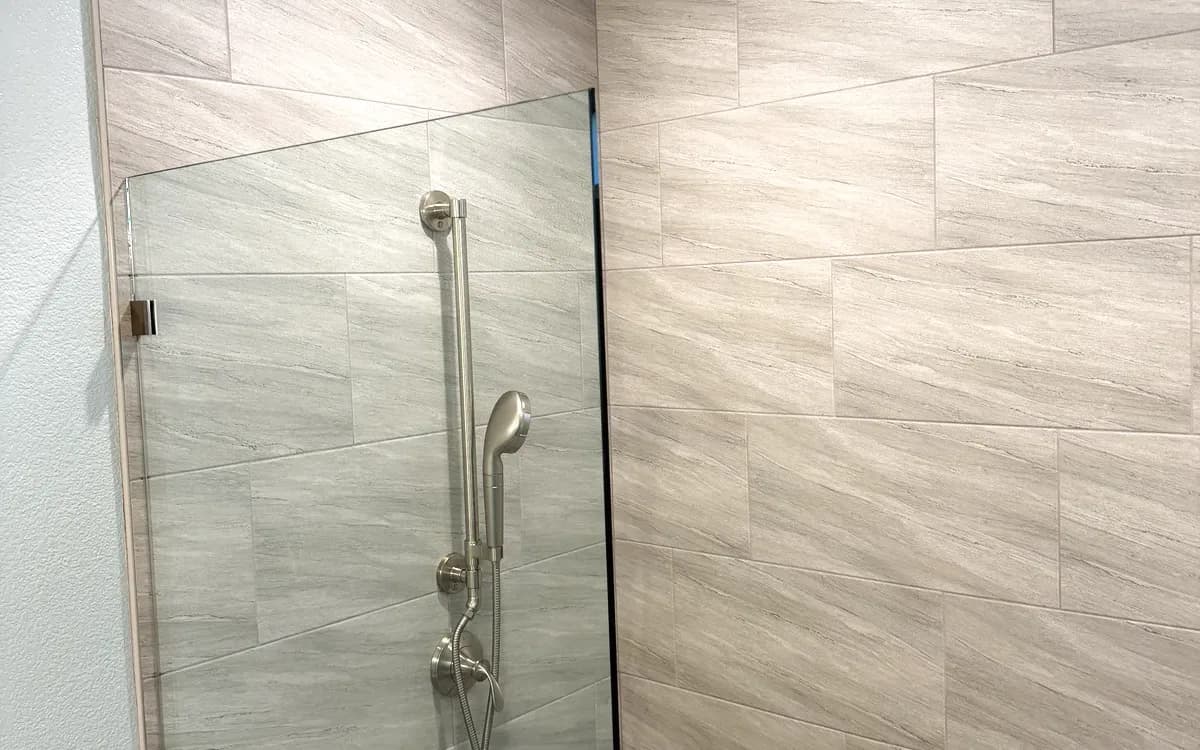
Understanding the week-by-week timeline helps Sacramento homeowners plan around the disruption and set realistic expectations for their bathroom remodel
Realistic Timeline Overview
One of the first questions every Sacramento homeowner asks when planning a bathroom remodel is: how long is this going to take? The answer depends on the scope of work, your material selections, permit requirements, and whether any surprises are hiding behind your walls. But after completing hundreds of bathroom remodels across the Sacramento region, we can give you a highly accurate picture of what to expect.
The total calendar time from your first consultation to your final walkthrough typically breaks into two distinct periods: the pre-construction phase (design, material selection, ordering, and permits) and the active construction phase (the days workers are physically in your home building your new bathroom). Most homeowners underestimate the pre-construction phase and overestimate the construction phase.
For a standard full bathroom remodel in Sacramento—gut the existing bathroom down to studs, new plumbing, new tile shower, new vanity, new flooring, new fixtures—expect 3-5 weeks of active construction with 2-4 weeks of pre-construction planning before the first hammer swings. Total calendar time from first meeting to finished bathroom: 6-10 weeks. This guide breaks down exactly what happens during each of those weeks so you can plan your life around the project with confidence. Visit our Sacramento bathroom remodel page for a full overview of what to expect when working with Oakwood Remodeling Group.
Quick Timeline Summary:
Pre-construction: 2-4 weeks | Half bath remodel: 1-2 weeks | Guest bath remodel: 2-3 weeks | Master bath remodel: 3-5 weeks | Full gut renovation: 4-8 weeks. See our bathroom remodel cost guide for detailed pricing at each phase.
| Phase | Calendar Time | Active Work Days | Key Activities |
|---|---|---|---|
| Pre-construction | 2-4 weeks | 3-5 days | Design consultation, material selection, ordering, permit application |
| Week 1 | 5 days | 5 days | Demolition, rough plumbing, electrical rough-in, inspection |
| Week 2 | 5 days | 4-5 days | Backer board, shower pan, waterproofing, drywall |
| Week 3 | 5 days | 5 days | Shower tile, floor tile, wall tile, niche and bench tile |
| Week 4 | 5 days | 4-5 days | Grout, glass enclosure, vanity, plumbing trim, fixtures |
| Final days | 2-3 days | 2-3 days | Punch list, final inspection, cleaning, walkthrough |
Pre-Construction Phase: Design, Materials, and Permits (2-4 Weeks)
The pre-construction phase is everything that happens before demolition day. This is the planning and preparation period that most homeowners do not think about when they picture their remodel timeline, but it is critical to a smooth project. Rushing or skipping pre-construction planning is the single biggest cause of delays and cost overruns during construction.
Design Consultation and Planning (Week 1)
Your remodel begins with an in-home design consultation where your contractor assesses the existing bathroom, discusses your goals and budget, takes measurements, and identifies any structural or plumbing considerations. At Oakwood Remodeling Group, this initial consultation is free and typically takes 60-90 minutes.
Following the consultation, your contractor develops a detailed scope of work, floor plan, and preliminary estimate. This is the stage where critical decisions are made: shower configuration (tub-to-shower conversion, walk-in shower, standard shower), vanity size and style, tile layout, fixture selections, and any layout changes that require plumbing relocation. For a comprehensive planning approach, review our bathroom remodel checklist to make sure nothing is overlooked.
Material Selection and Ordering (Weeks 1-2)
Material selection often overlaps with the design phase and is the area where homeowners have the most control over the timeline. Tile, vanity, fixtures, glass, and accessories all need to be selected, ordered, and confirmed as available before construction can begin. In-stock materials from local Sacramento tile showrooms (Floor and Decor, MSI, Bedrosians) can be picked up in days. Custom or specialty items may take 2-6 weeks to arrive.
The materials that most commonly cause timeline delays are:
- Custom vanities: 3-6 weeks lead time for made-to-order vanities. Stock vanities from major retailers are available in 3-7 days.
- Specialty tile: Imported tile, handmade tile, or large-format porcelain slabs may take 2-4 weeks to ship. Always confirm availability before finalizing your tile selection.
- Frameless glass enclosures: Glass is custom-measured after tile is complete and requires 1-2 weeks of fabrication. This does not delay construction start, but it affects the final completion date.
- Plumbing fixtures: Most major brands (Kohler, Delta, Moen) have standard finishes in stock. Specialty finishes like matte black or brushed gold may take 1-3 weeks to arrive.
A good contractor will not start demolition until every material is on-site or has a confirmed delivery date before the installation phase. Starting construction before materials arrive leads to idle days on the jobsite, which extends your timeline and increases disruption.
Permits (1-3 Weeks)
Not every bathroom remodel requires a building permit, but most significant remodels in Sacramento do. You need a permit any time you move or add plumbing (relocating a toilet, adding a shower valve, moving a drain), modify electrical circuits (adding outlets, new lighting circuits, exhaust fan wiring), or change the structural layout of the bathroom. Cosmetic-only remodels—replacing tile, swapping a vanity, installing new fixtures in the same location—generally do not require permits.
| Jurisdiction | Permit Processing Time | Permit Fee (Typical Bathroom) |
|---|---|---|
| City of Sacramento | 5-10 business days | $250-$500 |
| Roseville | 3-7 business days | $200-$450 |
| Rocklin | 3-7 business days | $200-$400 |
| Folsom | 5-10 business days | $250-$500 |
| Elk Grove | 5-10 business days | $200-$450 |
| Sacramento County (unincorporated) | 7-15 business days | $300-$550 |
| Placer County (unincorporated) | 5-10 business days | $250-$500 |
| El Dorado Hills / El Dorado County | 5-10 business days | $250-$500 |
Your contractor handles the entire permit process—application, submission, follow-up, and scheduling inspections at the appropriate construction milestones. At Oakwood Remodeling Group, permit fees and processing are included in every project where permits are required.
Week 1: Demolition, Rough Plumbing, and Electrical
Week 1 is the most dramatic week of your bathroom remodel. This is when the old bathroom comes out and the foundation for the new bathroom goes in. It is loud, dusty, and visually alarming—but every step is necessary to build a bathroom that will last decades.
Day 1-2: Demolition
Demolition begins with protecting the rest of your home. Your contractor will hang plastic sheeting over doorways, lay protective coverings on hallway floors, and set up a debris removal path from the bathroom to the dumpster or trailer outside. Then the work begins: removing the old vanity, toilet, mirror, light fixtures, and accessories. Old tile is chipped off walls and floors. The existing shower or tub is removed. Drywall behind the shower area is stripped to expose studs.
For a full gut remodel, demolition takes 1-2 full days depending on the bathroom size and the materials being removed. Tile over concrete board comes out faster than tile over mud beds. A cast-iron bathtub weighs 300-400 pounds and requires extra labor to remove compared to a fiberglass or acrylic tub.
What Demolition Reveals:
Demolition is when hidden problems come to light. In Sacramento homes built before 2000, we commonly find water damage behind shower walls, deteriorated subfloor around the toilet base, outdated galvanized plumbing that should be replaced, and inadequate or missing waterproofing on original shower installations. Discovering these issues is actually a good thing—fixing them now prevents far more expensive problems later. An experienced contractor builds contingency time into the schedule for potential discoveries.
Day 2-3: Rough Plumbing
With the old bathroom removed and the framing exposed, the plumber installs or modifies the supply lines (hot and cold water), drain lines, and vent pipes for the new layout. If you are keeping fixtures in the same locations, rough plumbing takes about half a day. If you are relocating the shower, moving the toilet, or adding features like a new shower system with multiple heads, rough plumbing can take 1-2 full days.
The shower valve is set during rough plumbing. This is a critical step because the valve position determines the final handle location on the finished wall. The valve must be set at the correct depth to account for the backer board and tile thickness that will be installed over it.
Day 3-4: Electrical Rough-In
The electrician runs new wiring for vanity lighting, recessed ceiling lights, exhaust fan, GFCI outlets, and any heated flooring elements. In older Sacramento homes, the existing bathroom electrical may not meet current code—for example, bathrooms now require a dedicated 20-amp GFCI circuit for outlets, proper exhaust fan venting to the exterior (not into the attic), and adequate lighting circuits. Updating electrical during a remodel brings your bathroom up to current California Building Code standards.
Day 4-5: Rough Inspection
Once rough plumbing and electrical are complete, the building inspector visits to verify that all work meets code. This inspection must pass before any walls can be closed up with backer board or drywall. In Sacramento-area jurisdictions, inspections are typically scheduled 1-2 business days in advance. Your contractor coordinates the inspection timing to minimize any idle days on the jobsite. If the inspection fails (uncommon with experienced contractors), corrections are made and reinspection is scheduled, which can add 2-3 days to the timeline.

The demolition and rough-in phase exposes the framing, allowing plumbing and electrical upgrades before the new bathroom is built
Week 2: Waterproofing, Backer Board, and Shower Pan
Week 2 is the structural foundation phase. The work done this week is largely invisible once the bathroom is finished, but it is the most critical work of the entire project. Waterproofing quality determines whether your bathroom lasts 5 years or 30 years.
Day 1-2: Backer Board and Substrate
After rough inspection passes, cement backer board (Kerdi Board, HardieBacker, or similar) is installed on all shower walls, the area behind the vanity, and any walls that will receive tile. Backer board provides a rigid, moisture-resistant substrate for tile adhesion. Standard drywall is installed on walls that will be painted (above tile lines, ceilings).
For shower floors, the method depends on the design. A traditional shower pan uses a pre-sloped mortar bed over a waterproof membrane to direct water to the drain. Modern foam shower pan systems (Schluter Kerdi Shower Kit, Wedi) provide a pre-sloped, waterproof base that is lighter, faster to install, and eliminates the curing time required for mortar beds. For curbless showers, the entire bathroom floor may need to be modified to create the proper slope to a linear drain.
Day 2-3: Waterproofing
Waterproofing is the most important step in any bathroom remodel. Every square inch of the shower enclosure—floor, walls (to full height), curb, bench, niches, and all penetrations (valve, shower head, drain)—must be sealed with a continuous waterproofing membrane. At Oakwood Remodeling Group, we use Schluter Kerdi membrane or Laticrete Hydro Ban liquid-applied membrane on every shower installation.
Waterproofing typically takes 1-2 days. Liquid-applied membranes (like Hydro Ban or RedGard) require two coats with drying time between coats. Sheet membranes (like Kerdi) are applied in a single day. After waterproofing is complete, a flood test is performed—the shower pan is filled with water and left for 24 hours to verify there are no leaks before tile installation begins.
Day 3-4: Drywall and Preparation
While waterproofing cures, the remaining drywall work is completed: patching, taping, mudding, and sanding on non-tiled walls and ceiling. If heated flooring is part of the project, the electric heating mat is installed on the bathroom floor during this phase, tested, and embedded in thin-set before the floor tile goes down.
Day 5: Preparation for Tile
The final day of week 2 is dedicated to preparing for tile installation: laying out tile patterns, cutting door and window trims to accommodate tile thickness, priming surfaces, and verifying that all waterproofing has fully cured. The tile setter reviews the layout with the homeowner, confirming placement of accent tile, niche positioning, and any pattern details. This review prevents costly mistakes once tile installation begins.
Week 3: Tile Installation
Tile installation is where your new bathroom begins to take shape visually. It is also the longest single phase of construction because tile work involves multiple sequential steps, each requiring specific curing and drying times. Rushing tile installation leads to failures—lippage (uneven tile edges), cracking, loose tiles, and grout problems—that are extremely expensive to fix after the fact.
Day 1: Shower Floor Tile
Tile installation begins with the shower floor. Shower floor tile is typically small-format mosaic (2x2 inch or penny tile) that conforms to the sloped shower pan and provides slip resistance. The tile setter carefully works around the drain, ensuring proper pitch from all edges toward the drain opening. For linear drain showers, larger format floor tiles can be used since the floor slopes in only one direction.
Day 2-3: Shower Wall Tile
Shower wall tile is installed from the bottom up, starting with the first full row above the shower floor (or above the curb on the entry wall). Each row must be level, plumb, and properly spaced before the next row goes up. Large-format tiles (12x24 and larger) require more precision and often need temporary support (wedges) while the thinset cures. Niche tile, bench tile, and accent tile are installed concurrently with the surrounding wall tile to ensure seamless alignment.
For a standard 60x36-inch shower with floor-to-ceiling tile, shower tile installation takes 2-3 days. A large master shower (60x48 or larger) with a bench, multiple niches, and accent bands may take 3-4 days for the tile setter.
Day 3-4: Bathroom Floor Tile
Once the shower tile is set, the bathroom floor tile is installed. Floor tile extends from wall to wall, under the vanity footprint, and into the doorway with a transition to the hallway flooring. The tile setter works from the back of the bathroom toward the door, finishing at the doorway so the room can dry without foot traffic. Floor tile installation for a standard Sacramento bathroom (40-70 square feet) takes 1-2 days.
Day 4-5: Additional Tile and Cure Time
Remaining tile work—vanity backsplash, any accent walls, bathtub surround (if the project includes a tub)—is completed. Then the thinset must cure for a minimum of 24 hours before grouting can begin. This built-in curing day is not idle time; your contractor uses it for other tasks like painting non-tiled walls, installing the exhaust fan, and prepping for the next phase. Attempting to grout before thinset fully cures leads to grout cracking and tile shifting.
Week 4: Grout, Glass, Vanity, and Fixtures
Week 4 is when the bathroom transforms from a construction zone into a finished room. Each day brings visible progress, and by the end of the week, you can see your completed bathroom taking its final form.
Day 1: Grouting
Grout is applied to all tile surfaces—shower walls, shower floor, bathroom floor, niche, bench, and backsplash. Grout fills the joints between tiles, creating a continuous, water-resistant surface. The tile setter works one area at a time, applying grout, cleaning excess with a sponge, and moving to the next section. The grout must cure for 24-72 hours (depending on the product) before the shower can be used or before grout sealer is applied.
Grout color matters more than most homeowners realize. It affects the overall appearance of the tile dramatically. Light grout with light tile creates a seamless, monolithic look. Contrasting grout (darker grout with lighter tile or vice versa) emphasizes the tile pattern. Your contractor will recommend grout colors and types (sanded vs. unsanded, epoxy vs. cement) based on your tile selection and joint width.
Day 2: Vanity and Countertop Installation
The vanity cabinet is positioned, leveled, and secured to the wall. If the vanity has a pre-made top (cultured marble, quartz, or granite), it is set on the cabinet and the undermount or vessel sink is connected. For custom countertops, the fabricator may have templated earlier and delivers the finished top for installation. The plumber connects the sink drain, faucet supply lines, and p-trap. The toilet is set on a new wax ring and bolted to the flange.
Day 3: Glass Enclosure Installation
The glass enclosure or panel is one of the final major installations. For frameless glass, exact measurements were taken after tile was complete and the glass was fabricated during the tile curing and grout phase (1-2 weeks fabrication time). The glass installer mounts the panel or enclosure, installs hardware (hinges, handles, brackets), and applies silicone caulking at all glass-to-tile and glass-to-wall joints. If the glass was ordered early enough, it arrives during week 4. If glass fabrication takes longer, this step may push to week 5—but the shower is functional without the glass.
Day 4-5: Plumbing Trim, Fixtures, and Accessories
The plumber returns to install the shower trim kit (handle, escutcheon plate, shower head, handheld), faucet, towel bars, toilet paper holder, robe hooks, and any other accessories. Light fixtures, the mirror, and the exhaust fan cover are installed by the electrician. Caulking is applied at all tile-to-fixture joints, where the vanity meets the wall, and along the tub or shower base perimeter. The final coat of paint is touched up on non-tiled walls and ceiling.

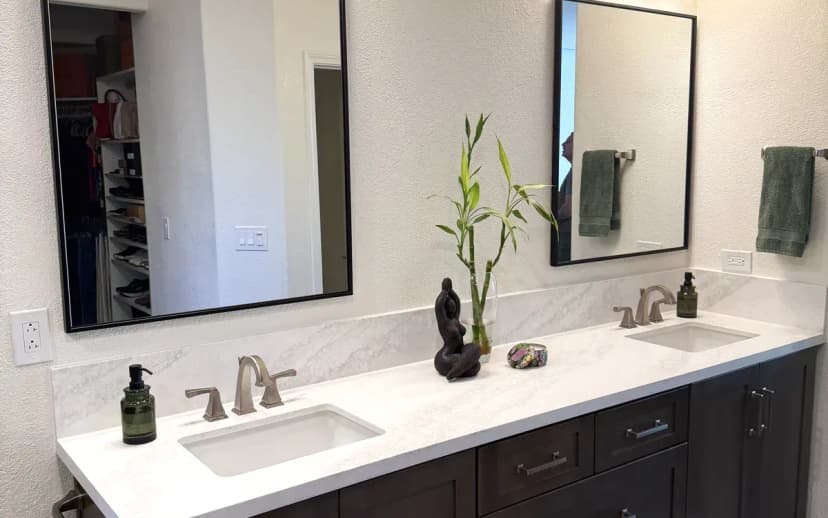
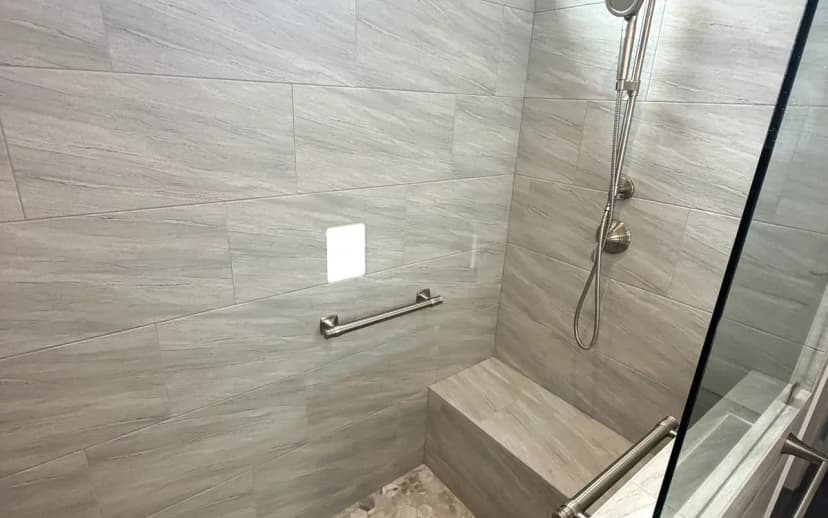
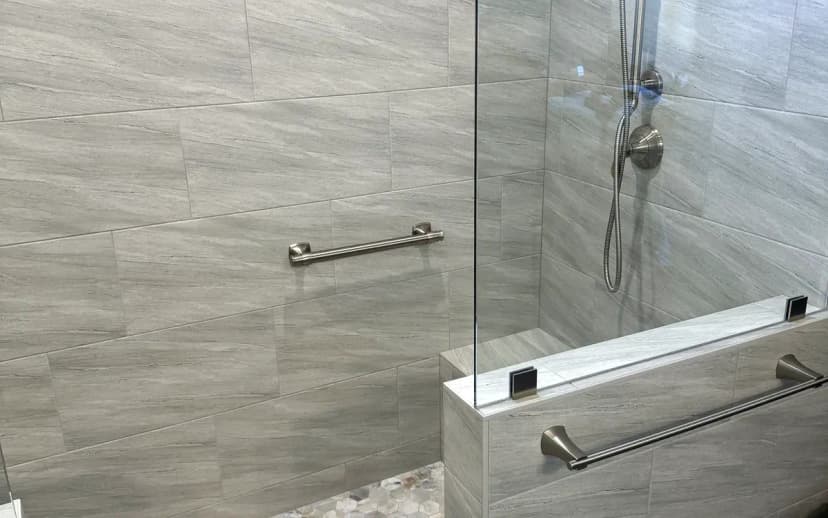
The final week brings everything together—grout, glass, vanity, fixtures, and accessories complete the transformation
Final Week: Punch List, Cleaning, and Final Inspection
The final phase of your bathroom remodel ensures that every detail meets quality standards and that the bathroom is ready for daily use. This phase typically takes 2-3 days and includes the punch list walkthrough, final building inspection, and professional cleaning.
Punch List Walkthrough
The punch list walkthrough is a room-by-room, item-by-item review with your contractor. You and the project manager examine every element of the finished bathroom: tile alignment and grout consistency, glass installation and silicone joints, vanity and countertop fit, plumbing function (run every fixture, check for leaks), electrical function (test every switch, outlet, and GFCI), paint quality and caulking, door operation, and accessory mounting. Any items that need correction are documented and addressed before the final inspection.
Common punch list items include minor caulking touch-ups, paint touch-ups where trim meets tile, adjusting cabinet doors or drawer alignment, tightening loose accessories, and cleaning grout haze from tile surfaces. These are normal finishing details, not indicators of poor workmanship. A contractor who insists on a thorough punch list walkthrough is a contractor who cares about the finished product.
Final Building Inspection
If your project required a building permit, the final inspection verifies that all work complies with the approved plans and California Building Code. The inspector checks plumbing connections, electrical installations, GFCI protection, exhaust fan operation, and general workmanship. A passing final inspection closes the permit and provides you with documented proof that the work was done to code— important for insurance, resale, and peace of mind.
Professional Cleaning and Handoff
After all work is complete and the inspection passes, the bathroom receives a thorough professional cleaning: grout haze removal from all tile, glass cleaning, vanity and countertop polishing, fixture cleaning, floor mopping, and dust removal from every surface. Your contractor reviews the care and maintenance requirements for your specific materials—grout sealing schedule, tile cleaning products to use (and avoid), glass coating maintenance, and fixture care. You receive all warranty information, permit documentation, and care instructions.
Timeline by Project Type
Not every bathroom remodel follows the full 4-5 week construction timeline described above. The actual duration depends heavily on the scope of work. Here is how different types of bathroom remodels break down in Sacramento:
| Project Type | Construction Time | Total Project Time | Typical Scope |
|---|---|---|---|
| Half bath remodel | 1-2 weeks | 3-5 weeks | New vanity, toilet, flooring, paint, mirror, light fixture. No shower or tub work. |
| Guest bath remodel | 2-3 weeks | 4-7 weeks | New tub/shower surround or tile shower, vanity, toilet, flooring, fixtures. Standard layout, no plumbing relocation. |
| Master bath remodel | 3-5 weeks | 6-10 weeks | Walk-in shower, double vanity, toilet, flooring, tile walls, frameless glass, premium fixtures. May include tub-to-shower conversion. |
| Full gut renovation | 4-8 weeks | 8-14 weeks | Complete layout change, plumbing relocation, structural modifications, custom shower, freestanding tub, heated floors, high-end materials. |
| Small bathroom refresh | 3-5 days | 2-4 weeks | Cosmetic updates: new vanity top, faucet, mirror, light fixtures, paint, hardware. No tile or plumbing changes. |
Half bath remodels are the fastest because there is no shower or tub work. The scope is typically limited to a new vanity, toilet, flooring, paint, mirror, and light fixture. Without tile work in a shower enclosure, the tile phase is just the floor (1-2 days), and the project moves quickly from demolition to finished product.
Guest bath remodels follow the standard timeline but are often slightly faster because the scope is more straightforward: a single vanity instead of a double, a standard shower or tub/shower combo instead of a large walk-in, and standard-grade materials that are readily available.
Master bath remodels are the most common project type in Sacramento and follow the full week-by-week timeline outlined above. The larger shower, double vanity, and premium material selections add complexity and time. For a detailed look at what a master bathroom remodel involves, visit our master bathroom service page.
Full gut renovations are the most extensive and involve changing the bathroom layout, relocating plumbing, potential structural work, and the highest grade of materials and finishes. These projects require the most pre-construction planning and have the longest construction phases. For more details on costs at this level, see our complete bathroom remodel cost guide.
Sacramento-Specific Timeline Factors
Remodeling in the Sacramento region comes with specific scheduling and timing considerations that affect your project timeline. Understanding these local factors helps you plan more accurately.
Permit Processing Times by Jurisdiction
Sacramento is served by multiple cities and county jurisdictions, each with its own building department and processing timelines. Permit processing is generally faster in Roseville and Rocklin (3-7 business days for standard residential permits) compared to the City of Sacramento or unincorporated Sacramento County (5-15 business days). During peak construction season (spring and summer), processing times can stretch to the longer end of these ranges across all jurisdictions. Your contractor should factor permit timing into the project schedule and submit permit applications as early as possible in the planning phase.
Seasonal Demand and Contractor Availability
Sacramento has distinct remodeling seasons that directly impact how quickly your project can start. The busiest period is March through August, when warm weather, tax refund season, and summer break converge to create peak demand. During this window, expect longer wait times to get on a contractor's schedule (4-8 weeks from signed contract to construction start) and potentially longer lead times from subcontractors (plumbers, electricians, glass fabricators).
The ideal time to schedule a bathroom remodel in Sacramento is October through February. Contractor availability is highest, material suppliers are less backlogged, permit offices process applications faster due to lower volume, and you may find more competitive pricing. Starting your planning in late fall positions you for a January or February construction start—completing your new bathroom before the busy spring season.
Inspection Scheduling
Building inspections in Sacramento-area jurisdictions typically require 24-48 hours advance scheduling. Most inspectors provide a morning or afternoon window rather than a specific time. During peak season, inspection wait times may extend to 2-3 business days. Your contractor plans the construction schedule around inspection availability to minimize downtime between phases.
Material Availability in Sacramento
Sacramento has excellent local access to tile, vanity, and fixture suppliers. Major tile distributors (Floor and Decor in Rancho Cordova and Roseville, MSI Sacramento, Bedrosians in West Sacramento) carry extensive in-stock selections that eliminate shipping delays. Plumbing supply houses (Ferguson, Hajoca, Standard Plumbing) stock standard fixtures from all major brands. The materials most likely to cause delays are specialty imported tiles, custom vanities, and frameless glass—all of which have fabrication or shipping lead times. An experienced contractor identifies these long-lead items early and orders them immediately after design approval to keep the timeline on track.
Common Causes of Delays and How to Avoid Them
Even with the best planning, bathroom remodels sometimes take longer than expected. Understanding the most common causes of delays—and how to prevent them—helps you protect your timeline.
1. Hidden Water Damage or Mold (Adds 2-5 Days)
Discovering water damage, mold, or deteriorated framing behind shower walls or under the floor is the most common surprise during demolition. In Sacramento homes older than 20-25 years, this is more common than not—especially around shower pans, tub surrounds, and toilet flanges that may have been leaking slowly for years. Damaged framing must be replaced, mold must be professionally remediated, and deteriorated subfloor must be rebuilt before the remodel can continue.
How to minimize the impact: Work with a contractor who includes contingency time (2-3 days) in the schedule for potential discoveries. Budget an additional 10-15% for unexpected repairs. An experienced contractor can often identify signs of hidden damage during the initial consultation (soft flooring near the toilet, discolored baseboard, musty smell) and adjust the estimate accordingly.
2. Backordered Materials (Adds 1-4 Weeks)
Material delays are the most preventable cause of construction slowdowns. The most common backorder items are specialty tile (imported, handmade, or large-format slabs), custom vanities, frameless glass panels, and specialty finish plumbing fixtures.
How to avoid: Select materials early in the planning phase and confirm availability before signing the contract. Choose in-stock tile from local suppliers whenever possible. Order all materials at least 2 weeks before construction start date. Have your contractor verify that every item is on-site before demolition day. For our recommendations on material planning, see our bathroom remodel checklist.
3. Homeowner Design Changes During Construction (Adds 3-10 Days)
Changing your mind about tile layout, fixture placement, vanity style, or shower configuration after construction has started is one of the most disruptive and expensive causes of delays. Changes may require re-ordering materials, redoing completed work, rescheduling subcontractors, and adjusting the permit if the scope has changed.
How to avoid: Take the pre-construction design phase seriously. Visit tile showrooms in person. Request physical tile samples to see in your bathroom's lighting. Review 3D renderings or detailed plans before approving construction. Make all material and design decisions final before demolition begins. A reputable contractor will not pressure you to start construction until you are fully confident in your selections.
4. Failed Inspections (Adds 2-5 Days)
A failed rough plumbing, electrical, or final inspection requires corrections and reinspection, adding 2-5 days to the timeline. Failed inspections are uncommon with licensed, experienced contractors who understand current California Building Code requirements.
How to avoid: Hire a licensed contractor (CA License #1125321 for Oakwood Remodeling Group) who uses licensed subcontractors for plumbing and electrical work. Licensed professionals know current code requirements and have established relationships with local building inspectors.
5. Subcontractor Scheduling Conflicts (Adds 1-5 Days)
A bathroom remodel requires coordination between multiple trades: general contractor, plumber, electrician, tile setter, glass installer, and sometimes a painter. If any one trade is delayed or unavailable when needed, the entire sequence can stall. During Sacramento's busy season, trade availability is the tightest constraint.
How to avoid: Work with a contractor who employs key trades in-house or has long-standing, reliable subcontractor relationships. Ask your contractor during the consultation how they handle trade scheduling and what happens if a subcontractor is delayed. A contractor who manages their own tile setters and has dedicated plumbing and electrical subs provides the most predictable timeline.
How to Live Without Your Bathroom During a Remodel
One of the biggest practical concerns for Sacramento homeowners is how to manage daily life when their bathroom is out of commission for 2-5 weeks. With some planning and preparation, the disruption is manageable.
If You Have a Second Bathroom
Most Sacramento homes—especially those in Roseville, Rocklin, Folsom, and Elk Grove—have at least two bathrooms. If you are remodeling the master bathroom, the second bathroom becomes your primary bathroom for the duration of the project. Prepare it before construction starts: stock it with all toiletries, towels, and daily essentials. Move your morning and evening routines there. The adjustment period is usually just a few days before the new routine feels normal.
If you are remodeling the only full bathroom (the one with a shower) and have a half bath, you will have toilet access throughout the project. For showering, you may need to make temporary arrangements—using a gym or community pool shower, staying with nearby family for showers, or discussing staged construction with your contractor to restore shower function as quickly as possible.
If You Have Only One Bathroom
Single-bathroom homes require more careful planning. Your contractor may be able to stage the work to restore toilet function within the first 1-2 days of construction (setting the toilet on a temporary connection) while the rest of the remodel continues. This is not always feasible depending on the scope of plumbing work, but it is worth discussing during the planning phase.
Other options for single-bathroom homes include:
- Portable toilet rental: A clean, modern portable toilet unit ($150-$300 per week) provides on-site restroom access. Not glamorous, but practical.
- Temporary accommodations: If you have family or friends nearby in the Sacramento area, arranging to shower at their home during the construction phase is the simplest solution.
- Gym membership: A short-term gym membership at a nearby fitness center provides daily shower access. Most Sacramento-area gyms offer month-to-month options for $30-$50 per month.
- Expedited scheduling: Discuss an accelerated timeline with your contractor. For single-bathroom homes, some contractors can prioritize the project and work extended hours to reduce the construction window.
Preparing Your Home for Construction
Before construction begins, take these steps to minimize disruption to the rest of your home: clear all personal items from the bathroom (toiletries, towels, medications, decorations), remove anything breakable or valuable from adjacent rooms (construction vibration can shift items on shelves), ensure the hallway path from the bathroom to the exterior is clear for debris removal, relocate pets away from the construction area during work hours (noise and dust stress animals), and identify which circuit breakers control the bathroom so the electrician can work safely. Your contractor will protect floors and doorways with coverings, but removing fragile items proactively prevents accidents.
Pro Tip: Dust Management
Demolition generates significant dust, especially when removing tile. Your contractor should seal the bathroom doorway with plastic sheeting and use a negative air pressure fan to vent dust outside rather than into your home. At Oakwood Remodeling Group, we use dedicated dust containment systems on every demolition project. Despite best efforts, some fine dust will migrate—plan to dust adjacent rooms after the demolition phase is complete. If anyone in your household has respiratory sensitivities, discuss enhanced dust containment measures with your contractor before work begins.
How to Read Our General Bathroom Remodel Duration Guide
This Sacramento-focused timeline guide complements our broader how long does a bathroom remodel take article, which covers national averages and general principles. The key difference is that this guide accounts for Sacramento-specific factors: local permit processing times, regional material availability, seasonal demand patterns, and inspection scheduling norms that directly affect your timeline.
If you are also planning your budget alongside your timeline, our shower remodel cost guide provides detailed line-item pricing for the shower portion of your project, which is typically the most time-intensive and cost-intensive element of any full bathroom remodel.
Frequently Asked Questions
Ready to Plan Your Bathroom Remodel Timeline?
Understanding the realistic timeline for your bathroom remodel helps you plan your life around the project and set expectations for every phase. Whether you are planning a quick small bathroom refresh, a complete master bathroom renovation, or a shower remodel, knowing what to expect week by week eliminates surprises and makes the entire experience more manageable.
At Oakwood Remodeling Group, we provide detailed project timelines during the planning phase so you know exactly when each phase starts and finishes. We coordinate all trades, manage permits and inspections, and communicate daily progress so you are never left wondering what is happening in your home. Our team has completed hundreds of bathroom remodels across Sacramento, Roseville, Rocklin, Folsom, Elk Grove, Citrus Heights, Rancho Cordova, and surrounding communities—and we deliver on our timelines.
Start Planning Your Bathroom Remodel
Oakwood Remodeling Group provides free in-home consultations for Sacramento-area homeowners planning a bathroom remodel. During your consultation, we assess your existing bathroom, discuss your goals and budget, and provide a realistic project timeline tailored to your specific scope of work. From full bathroom remodels and shower renovations to master bathroom transformations, every project is built on expert planning, quality materials, and reliable scheduling.
- ✓ Free in-home design consultation
- ✓ Detailed week-by-week project timeline
- ✓ Transparent, line-item pricing
- ✓ Licensed, insured, bonded (CA License #1125321)
- ✓ All permits and inspections handled
- ✓ Flexible financing options available
Call (916) 907-8782 or request your free consultation online to start planning your Sacramento bathroom remodel timeline.
Get Your Free Estimate
Schedule your consultation today
Explore all our bathroom remodeling services in Sacramento.
Get a Free Estimate
Call us at (916) 907-8782 or fill out our contact form.