Bathroom Remodel Checklist for Sacramento Homeowners (2026)
Your complete phase-by-phase checklist for planning, budgeting, building, and completing a bathroom remodel in the Sacramento area—from first idea to final walkthrough
Looking for bathroom remodeling in Sacramento? View our Sacramento service area page →
Table of Contents
- 1. Pre-Planning Checklist: Goals, Budget, and Timeline
- 2. Design Checklist: Layout, Style, and Materials
- 3. Material Selection Checklist
- 4. Contractor Selection Checklist
- 5. Permit Checklist for Sacramento and Placer County
- 6. Demolition Day Prep Checklist
- 7. During Construction Checklist
- 8. Final Walkthrough Checklist
- 9. Post-Renovation Checklist
- 10. Budget Tracking Tips
- 11. Common Oversights to Avoid
- 12. Frequently Asked Questions
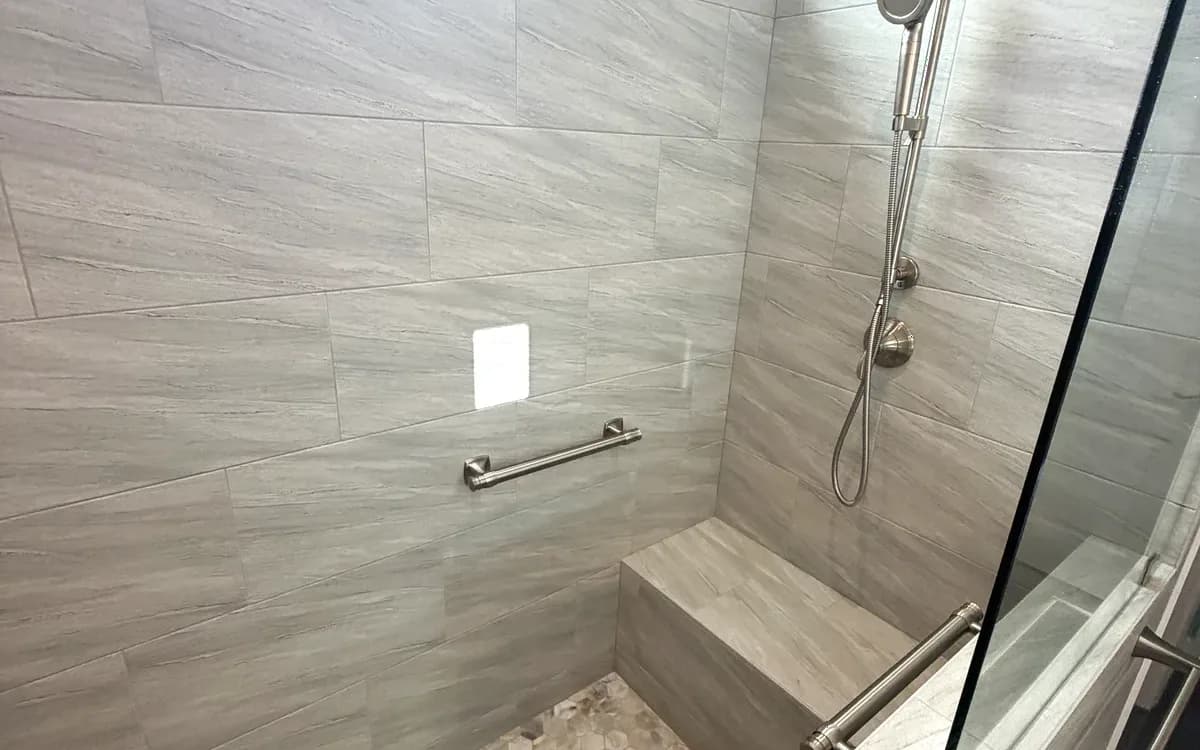
A successful bathroom remodel starts with a comprehensive checklist—covering every detail from planning through completion ensures nothing is missed
1. Pre-Planning Checklist: Goals, Budget, and Timeline
Before you contact a single contractor or browse a tile showroom, the pre-planning phase sets the foundation for everything that follows. Sacramento homeowners who invest time in this phase consistently report smoother renovations, fewer surprises, and better results. A well- planned bathroom remodel begins with clear answers to the questions below. For a complete overview of what Sacramento bathroom remodeling involves, visit our dedicated service page.
Define Your Goals
- ✓ Identify the primary reason for remodeling: Are you remodeling because the bathroom is outdated, you want improved functionality, you are preparing the home for sale, or you need better accessibility? Your primary motivation shapes every decision that follows—from layout changes to material quality to budget allocation.
- ✓ List your must-haves vs. nice-to-haves: Separate essential features (a larger shower, double vanity, better lighting) from aspirational ones (heated floors, steam shower, freestanding tub). When budget pressure arrives—and it always does—this list prevents you from cutting the wrong things.
- ✓ Determine who uses this bathroom: A master bathroom shared by two adults has different requirements than a kids' bathroom, a guest bathroom, or a hall bathroom shared by the entire household. Consider storage needs, counter space, shower vs. tub preference, and accessibility requirements for each user.
- ✓ Assess what you dislike about the current bathroom: Walk through your existing bathroom and write down everything that frustrates you: not enough counter space, poor lighting, dated tile, lack of storage, slow drain, insufficient water pressure, no ventilation. This list becomes your design brief.
- ✓ Research comparable projects: Browse photos of completed bathroom remodels in the Sacramento area to calibrate your expectations. Save images of bathrooms you love and note what specifically appeals to you—the tile pattern, the vanity style, the shower configuration, the color palette.
Establish Your Budget
- ✓ Determine your total budget range: Sacramento bathroom remodel costs range from $8,000 for a basic cosmetic update to $50,000+ for a high-end master bathroom renovation. See our bathroom remodel cost guide for detailed pricing by scope and finish level.
- ✓ Add a 10-20% contingency fund: Hidden problems—water damage behind walls, outdated plumbing that does not meet code, mold, asbestos in older homes—are discovered during demolition in roughly 30-40% of Sacramento bathroom remodels. Your contingency fund covers these without derailing the project.
- ✓ Decide how you will fund the project: Cash savings, home equity line of credit (HELOC), home equity loan, personal loan, or contractor financing. Know your funding source before getting bids so you can move quickly when you find the right contractor.
- ✓ Understand the cost breakdown: A typical bathroom remodel allocates approximately 40% to labor, 30% to materials, 15% to fixtures and fittings, 10% to design and permits, and 5% to miscellaneous costs. Knowing this split helps you evaluate bids and identify where costs can be adjusted.
Set Your Timeline
- ✓ Identify any deadline constraints: Are you remodeling before a holiday gathering, before putting the home on the market, or before a family event? Work backward from your deadline and add buffer time. Most Sacramento bathroom remodels take 6-12 weeks from consultation to completion. Learn more in our bathroom remodel timeline guide.
- ✓ Account for material lead times: Custom vanities take 4-8 weeks. Custom glass enclosures take 2-3 weeks after measurement. Specialty tile may need 3-6 weeks for shipping. Order materials early so they arrive before construction begins.
- ✓ Consider seasonal timing: Sacramento contractors are busiest from March through October. Scheduling your remodel during the slower November-February season may result in shorter wait times, faster scheduling, and occasionally better pricing.
Sacramento Budget Snapshot (2026):
Basic cosmetic update: $8,000-$15,000 | Mid-range remodel: $15,000-$30,000 | High-end master bath: $30,000-$50,000+. Always include a 10-20% contingency on top of your project budget for hidden issues discovered during demolition.
2. Design Checklist: Layout, Style, and Materials
The design phase is where your vision takes shape. Whether you work with a designer, your contractor's design team, or plan the design yourself, these checklist items ensure you cover every design decision before construction begins.
Layout Decisions
- ✓ Decide whether to change the existing layout: Keeping plumbing fixtures (toilet, shower/tub, vanity) in their current locations saves $2,000-$5,000+ in plumbing relocation costs. Moving a toilet or shower drain is the most expensive layout change because it involves modifying the drain line beneath the floor.
- ✓ Choose shower vs. tub vs. both: The trend in Sacramento is replacing tub-shower combos with walk-in showers, especially in master bathrooms. However, keep at least one bathtub in the home for resale value. Guest and kids' bathrooms should retain a tub unless the home has multiple tub options.
- ✓ Plan your vanity configuration: Single vanity (24-36 inches) for guest and small bathrooms, double vanity (48-72 inches) for master bathrooms. Wall-mounted (floating) vanities create a modern look and make floor cleaning easier. Freestanding vanities with furniture-style legs are trending in 2026.
- ✓ Plan storage: Medicine cabinets (recessed or surface-mount), linen closets, vanity drawers, open shelving, built-in shower niches, and behind-mirror storage. Sacramento homeowners consistently cite storage as their top bathroom frustration—plan for more than you think you need.
- ✓ Plan electrical layout: Outlet locations (both sides of the vanity mirror for Sacramento's two-person morning routines), GFCI protection, exhaust fan placement, lighting switch locations, heated floor thermostat placement.
- ✓ Plan lighting: Vanity lighting (sconces flanking the mirror are better than overhead for even illumination), overhead ambient lighting, shower lighting (recessed LED rated for wet locations), and accent lighting. Dimmer switches allow bright task lighting during morning routines and soft ambient lighting for evening relaxation.
Style and Finish Selections
- ✓ Choose a cohesive design style: Modern, transitional, farmhouse, contemporary, spa- inspired, or traditional. Sacramento homes built in the 1980s-2000s (the majority of the housing stock) look best with transitional or modern updates that feel current without clashing with the home's architecture.
- ✓ Select a color palette: Limit your palette to 2-3 main colors plus an accent. Warm neutrals (white, greige, taupe) with matte black or brushed gold hardware dominate Sacramento bathroom design in 2026. Avoid overly trendy colors that may feel dated in 3-5 years.
- ✓ Choose a hardware finish: Pick one finish (brushed nickel, matte black, brushed gold, chrome, or polished nickel) and carry it through faucets, shower fixtures, cabinet hardware, towel bars, toilet paper holder, and robe hooks. Mixing finishes intentionally can work but requires a trained eye.
- ✓ Select a mirror style: Frameless for a modern look, framed to match vanity hardware, or a medicine cabinet with integrated mirror. LED backlit mirrors are increasingly popular in Sacramento bathrooms for their clean aesthetic and built-in lighting.

Gathering material samples early in the design process ensures all selections work together before ordering
3. Material Selection Checklist
Material selection is where many Sacramento homeowners feel overwhelmed. Breaking it into categories and making decisions systematically prevents decision fatigue and ensures every element works together.
Tile
- ✓ Floor tile: Select a slip-resistant tile (DCOF rating 0.42+ for wet areas). Porcelain is the preferred material for Sacramento bathrooms—it is durable, water-resistant, and available in virtually any style. Popular formats include 12x24, large- format 24x24, and mosaic for shower floors. Budget $5-$15 per square foot for quality porcelain floor tile.
- ✓ Shower wall tile: Large-format porcelain (12x24 or larger) is the top choice for shower remodeling in Sacramento. Fewer grout lines mean a cleaner look and less maintenance. Subway tile (3x12 or 4x12) remains a timeless alternative. Budget $8-$20 per square foot installed for shower wall tile.
- ✓ Shower floor tile: Small-format mosaic tile (1x1 or 2x2 inch) conforms to the shower pan slope and provides excellent traction. For curbless or linear-drain showers, larger floor tile is possible. Budget $10-$25 per square foot installed.
- ✓ Accent tile (optional): A niche surround, feature wall, or decorative band adds visual interest. Budget $300-$1,500 for accent tile depending on material and coverage area.
- ✓ Grout color: Matching grout creates a seamless, monolithic look. Contrasting grout highlights the tile pattern. Epoxy grout ($200-$400 more than cement grout) resists staining and does not require sealing—a worthwhile upgrade in Sacramento's hard water.
Vanity and Countertop
- ✓ Vanity cabinet: Stock vanities ($200-$800) are available immediately. Semi-custom vanities ($500-$2,000) offer more size and finish options. Fully custom vanities ($1,500-$5,000+) are built to your exact specifications. Soft-close drawers and doors are now standard on quality vanities.
- ✓ Countertop material: Quartz ($50-$120 per square foot installed) is the most popular choice for Sacramento bathroom vanities—it is non-porous, stain-resistant, and low-maintenance. Marble ($60-$150) is beautiful but requires sealing. Solid surface ($30-$80) is budget-friendly. Cultured marble vanity tops with integrated sinks ($200-$600 total) are an affordable all-in-one option.
- ✓ Sink style: Undermount sinks (cleanest countertop edge), vessel sinks (design statement but require taller faucets), and integrated sinks (countertop and sink are one piece). Undermount is the most practical choice for daily use.
Fixtures
- ✓ Shower valve and trim: Pressure-balanced valve (standard, $150-$300) or thermostatic valve (premium, $300-$800). Thermostatic valves maintain exact temperature and are essential for multi-head shower systems. Choose your trim finish to match all other bathroom hardware.
- ✓ Shower head(s): Wall-mounted rain head (8-12 inch), ceiling-mounted rain head (most immersive), handheld on slide bar (essential for practical use), or a combination. Budget $100-$500 for mid-range shower fixtures. See our shower remodel cost guide for detailed fixture pricing.
- ✓ Faucet: Single-hole, widespread (8-inch center), or wall-mounted. Match the finish to your shower fixtures and hardware. Quality faucets from Kohler, Delta, or Moen run $150-$500 and include excellent warranties.
- ✓ Toilet: Comfort-height (17-19 inches, ADA-compliant) is now standard. Elongated bowls are more comfortable than round. One-piece toilets are easier to clean than two-piece. Budget $250-$600 for a quality comfort-height toilet.
Lighting and Hardware
- ✓ Vanity lighting: Sconces flanking the mirror (18-24 inches apart from mirror edge) provide the most flattering, even light. Budget $100-$400 per fixture for quality bath lighting.
- ✓ Overhead lighting: Flush mount or recessed LED for general illumination. If the bathroom has no window, plan for 75+ watts equivalent of overhead lighting. Budget $50-$200.
- ✓ Exhaust fan: Sized to your bathroom square footage (1 CFM per square foot minimum). Combination fan-light-heater units ($150-$400) are popular in Sacramento for the added warmth during cooler mornings. Humidity-sensing fans that turn on automatically are the best choice for moisture control.
- ✓ Cabinet and bath hardware: Drawer pulls, knobs, towel bars, towel rings, robe hooks, toilet paper holder. Purchase all hardware in the same finish family. Budget $150-$500 for a complete set of quality bath hardware.
4. Contractor Selection Checklist
Choosing the right contractor is the single most important decision in your bathroom remodel. A skilled, reputable contractor protects your investment, keeps the project on schedule, and delivers craftsmanship that lasts. Here is exactly what to verify before hiring a bathroom remodel contractor in Sacramento:
License and Insurance Verification
- ✓ Verify active California contractor's license: Look up the contractor at cslb.ca.gov (California Contractors State License Board). The license should be active, in good standing, and the appropriate classification for bathroom remodeling (B - General Building Contractor or C-36 - Plumbing). Oakwood Remodeling Group holds CA License #1125321.
- ✓ Confirm general liability insurance: Minimum $1,000,000 per occurrence. Ask for a Certificate of Insurance (COI) naming you as additionally insured. This protects you if a worker damages your property during the remodel.
- ✓ Confirm workers' compensation insurance: Required by California law for any contractor with employees. Workers' comp protects you from liability if a worker is injured on your property. Ask for the policy number and verify it is current.
- ✓ Check CSLB complaint history: The CSLB website shows any complaints, disciplinary actions, or bond claims against the contractor. Multiple unresolved complaints are a red flag.
- ✓ Verify bond status: California requires contractors to carry a $25,000 contractor bond. This bond provides recourse if the contractor fails to fulfill the contract.
References and Portfolio
- ✓ Request 5-10 references from recent bathroom remodels: Ask specifically for Sacramento-area bathroom remodel references—not kitchen remodels, not room additions, not projects from 5 years ago. Recent bathroom-specific references tell you exactly what to expect.
- ✓ Contact at least 3 references: Ask about communication quality, adherence to timeline, budget accuracy, workmanship quality, how problems were handled, and whether they would hire the contractor again.
- ✓ Review before-and-after photos: Look for tile work quality (consistent grout lines, straight edges, clean corners), shower installations, and vanity fit and finish. Ask to see photos of completed projects similar in scope to yours.
- ✓ Read online reviews: Check Google Business Profile, Yelp, and the Better Business Bureau. Look at both the overall rating and the content of individual reviews, especially any negative reviews and how the contractor responded.
The Bid and Contract
- ✓ Get 3 detailed, line-item bids: A quality bid breaks out each cost component: demolition, plumbing, electrical, waterproofing, tile (material and labor separately), vanity, countertop, fixtures, glass, painting, permits, and cleanup. Lump-sum bids hide cost allocation and make it impossible to compare contractors accurately.
- ✓ Verify the bid includes all costs: Permits, dumpster/haul-away, final cleaning, and any allowances should be listed. Ask specifically what is NOT included in the bid—this is where surprise costs appear.
- ✓ Review the payment schedule: California law limits the down payment to 10% of the contract price or $1,000, whichever is less. A typical payment schedule ties payments to completed milestones: 10% at signing, 25% at demolition completion, 25% at rough-in completion, 25% at tile completion, 15% at final walkthrough approval. Never pay the final payment until the punch list is complete.
- ✓ Review the contract thoroughly: The contract should include a detailed scope of work, material specifications (brand, model, color), start and estimated completion dates, payment schedule, change order process, warranty terms, and dispute resolution process.
- ✓ Confirm the change order process: Every contract should specify that scope changes require a written change order signed by both parties before the additional work is performed. This prevents verbal agreements that lead to billing disputes.
California Law: Down Payment Limits
California Business and Professions Code Section 7159.5 limits the down payment a contractor can collect to 10% of the contract price or $1,000, whichever is less. Any contractor asking for a larger down payment is violating California law—a major red flag. Subsequent payments should be tied to completed work milestones, never paid in advance.
5. Permit Checklist for Sacramento and Placer County
Permits protect you by ensuring the work meets building codes and is inspected at critical stages. Skipping permits to save time or money can result in fines, required demolition of unpermitted work, insurance claim denials, and problems when selling the home. Your contractor should handle all permit applications, but as the homeowner, you should understand what requires a permit.
Work That Typically Requires a Permit
- ✓ Plumbing changes: Moving a toilet, relocating a shower drain, adding or moving supply lines, installing a new shower valve, adding a second sink, or any work on the drain-waste-vent (DWV) system. Both Sacramento County and Placer County require plumbing permits for these modifications.
- ✓ Electrical work: Adding circuits, moving outlets, installing a new exhaust fan (especially if adding ductwork), adding recessed lighting, or upgrading the bathroom electrical panel. GFCI-protected outlets are required within 6 feet of any water source.
- ✓ Structural modifications: Removing or modifying walls (even partial walls), enlarging window or door openings, or modifying the subfloor structure (common in curbless shower installations).
- ✓ Water heater installation: If your bathroom remodel includes a new water heater (common when upgrading to a tankless system for better hot water delivery to the new shower), a separate plumbing and mechanical permit is required.
Work That Typically Does NOT Require a Permit
- ✓ Cosmetic updates: Replacing a vanity (same location), installing new tile over existing substrate, painting, replacing a mirror, or updating hardware.
- ✓ Like-for-like fixture replacement: Swapping a faucet, toilet, or shower head without modifying the plumbing connections does not require a permit in Sacramento County or Placer County.
- ✓ Accessory installation: Towel bars, toilet paper holders, robe hooks, medicine cabinets (surface-mount), and shelving.
Sacramento vs. Placer County Permit Notes
- ✓ Sacramento County: Building permits are obtained through the Sacramento County Department of Community Development or the City of Sacramento Community Development Department (for properties within city limits). Standard bathroom remodel permits typically cost $300-$800 and take 1-2 weeks for approval. Online submissions are available for most residential permits.
- ✓ Placer County: Permits are processed through the Placer County Community Development Resource Agency. Cities within Placer County (Roseville, Rocklin, Lincoln) have their own building departments. Permit costs are similar ($300-$800) with 1-2 week processing times. Roseville and Rocklin have streamlined online permit portals for residential remodeling projects.
- ✓ Required inspections: A typical bathroom remodel permit requires a rough-in plumbing inspection (before walls are closed), a rough-in electrical inspection, and a final inspection. Your contractor schedules these inspections—make sure they are completed before walls are covered with tile or drywall.
6. Demolition Day Prep Checklist
Demolition day marks the real start of your bathroom remodel. Proper preparation protects your home, preserves your sanity, and helps the project get off to a smooth start. Complete these items before the crew arrives.
Protect Your Home
- ✓ Confirm dust barriers are in the plan: Your contractor should install plastic sheeting over doorways and create a contained demolition zone. Bathroom demolition generates significant dust, especially when removing tile from concrete board. Zip walls (floor-to- ceiling plastic barriers with zippers) are the gold standard for dust containment.
- ✓ Protect flooring in adjacent areas: Ram board, rosin paper, or heavy-duty drop cloths should cover the path from the bathroom to the exterior where debris will be carried out. Tile demolition debris is sharp and heavy—it will scratch hardwood and damage carpet without protection.
- ✓ Move valuables and fragile items: Remove artwork, breakables, and valuables from the bathroom and adjacent rooms. Construction vibration and foot traffic can dislodge items from walls and shelves in nearby rooms.
- ✓ Confirm dumpster or debris removal plan: A standard bathroom demo fills a 10-yard dumpster. Your contractor should include debris removal in the contract price. Confirm where the dumpster will be placed (many Sacramento HOAs have dumpster placement rules).
Set Up Your Alternative Bathroom
- ✓ Identify which bathroom you will use during construction: If you are remodeling your only bathroom, discuss temporary solutions with your contractor. Some Sacramento homeowners arrange to shower at a gym, a neighbor's home, or a family member's house. For longer projects (4+ weeks), a portable toilet or shower rental may be practical.
- ✓ Stock your alternative bathroom: Move daily essentials (toiletries, medications, towels, cleaning supplies) to the bathroom you will use during construction. Set it up before demo day so you are not scrambling during the chaos of day one.
- ✓ Plan morning and evening routines: If multiple family members share one remaining bathroom, establish a schedule. Construction crews typically arrive at 7:00-8:00 AM, so plan your morning routine accordingly.
Pack the Bathroom
- ✓ Remove everything from the bathroom: All toiletries, towels, bath mats, decorations, shower curtains, and personal items. Take photos of how everything was arranged so you can reference the layout when restocking the finished bathroom.
- ✓ Remove wall-mounted items: Towel bars, toilet paper holders, mirrors, medicine cabinets (if not being replaced), and any shelving. Anything left on the walls will be destroyed during demolition.
- ✓ Document existing conditions: Take photos and video of the bathroom from every angle before demolition. This serves as a record for insurance purposes and helps resolve any disputes about pre- existing conditions.
- ✓ Confirm water shut-off procedure: Know where the water shut-off valves are for the bathroom. If the bathroom has individual shut-offs, the rest of the house retains water during demolition. If the main shut-off must be used, coordinate with the crew so water outages are minimized.

Proper preparation before demolition protects your home and sets the stage for a smooth construction process
7. During Construction Checklist
Once construction begins, your role shifts from planner to informed observer. Staying engaged without micromanaging keeps the project on track and ensures your expectations are met. Here is your checklist for the construction phase:
Daily Communication
- ✓ Establish a communication schedule: Agree on a daily or every-other-day update from your project manager or lead contractor. Text messages with photos of progress are the most practical format for busy Sacramento homeowners. Know who your primary point of contact is and how to reach them.
- ✓ Ask about any discoveries during demolition: The first 1-2 days of demolition often reveal hidden conditions: water damage, mold, outdated plumbing (galvanized pipe, polybutylene), deteriorated subfloor, or asbestos (common in Sacramento homes built before 1980). Your contractor should notify you immediately of any discoveries and present options with costs before proceeding.
- ✓ Visit the site at least once daily: Even a 5-minute walk-through after the crew leaves keeps you informed about progress and allows you to spot potential concerns early. Pay attention to tile layout, fixture placement, and overall cleanliness of the work area.
Inspections
- ✓ Verify rough-in inspections are scheduled and passed: If your project has a building permit, the plumbing and electrical rough-in must be inspected before walls are closed. Ask your contractor when inspections are scheduled and confirm they pass. Failed inspections require corrections that can delay the project—better to know immediately.
- ✓ Review waterproofing before tile installation: This is the most critical checkpoint in the entire project. Before a single tile is set, visually confirm that the waterproofing membrane covers every surface of the shower area—floor, walls (full height), curb (all sides), bench, and niche. Ask your contractor to explain the waterproofing system used and request photos for your records.
- ✓ Approve tile layout before setting begins: Ask your tile installer to do a dry layout (placing tiles without mortar) or show you the planned layout and cut locations. This is your opportunity to verify tile orientation, pattern alignment, niche tile, and where cuts will fall. Adjusting layout before setting is simple; after tiles are set, changes require demolition.
Change Orders
- ✓ Get every change in writing: If the scope changes for any reason—you decide to upgrade a fixture, hidden damage requires additional work, you want to add a feature—insist on a written change order that describes the change, its cost impact, and any timeline impact. Sign it before the work is performed.
- ✓ Evaluate change orders against your contingency: Track how change orders are affecting your total budget. If contingency spending is approaching your limit, consider whether remaining changes are truly necessary or can be deferred.
- ✓ Do not request changes impulsively: Mid-project changes are the number-one cause of budget overruns and timeline delays. Before requesting any change, ask yourself: Is this truly necessary? What will it cost? Will it delay the project? Can it be done after the main project is complete?
8. Final Walkthrough Checklist
The final walkthrough is your formal inspection of the completed bathroom before making the final payment. Take your time—this is your opportunity to identify any items that need correction or completion. Bring a notepad (or use your phone) to create a written punch list.
Plumbing Verification
- ✓ Test every water fixture: Turn on the shower, faucet(s), and flush the toilet. Check hot and cold water on all fixtures. Verify water pressure is adequate and consistent. Run the shower for at least 5 minutes and check for leaks at the valve, shower head connections, and at the base of the shower (check the ceiling below if applicable).
- ✓ Test all drains: Run water in the shower and sink for several minutes and verify proper drainage. The shower floor should drain completely with no standing water within 2-3 minutes of turning off the water. Sink drains should not be sluggish.
- ✓ Check for leaks under the vanity: Open the vanity cabinet and inspect all drain connections, supply line connections, and the shut-off valves while water is running. Even small drips become big problems inside a closed vanity cabinet.
- ✓ Test the toilet: Flush multiple times. Check that the base is sealed to the floor with a clean bead of caulk (not grout). Verify the toilet does not rock on the floor—a rocking toilet will eventually break the wax seal and leak.
Tile Work Inspection
- ✓ Check grout lines for consistency: Grout lines should be uniform in width and color throughout. Look for gaps, voids, or areas where grout is missing. Inconsistent grout lines indicate poor tile installation.
- ✓ Check for lippage: Run your hand along tile transitions—the edge of one tile should not be noticeably higher than the adjacent tile. Minor lippage (1/32 inch) is acceptable with large-format tile; significant lippage indicates improper installation.
- ✓ Inspect tile edges and corners: Look at where tile meets the ceiling, floor, corners, and fixtures. Cuts should be clean and even. Corners should use metal edge trim (Schluter), mitered edges, or bullnose tile—never raw cut edges.
- ✓ Check for hollow tiles: Gently tap tiles (especially on the shower floor and lower walls) with your knuckles. A hollow sound indicates the tile is not fully bonded to the substrate and may crack or come loose over time. Well-bonded tiles produce a solid thud.
- ✓ Verify the shower niche: Tile inside the niche should be properly finished on all surfaces. The niche shelf should slope slightly toward the shower (not toward the wall) to prevent water pooling. Caulk (not grout) should be used at the niche transitions.
Glass, Fixtures, and Finish Items
- ✓ Inspect glass enclosure or panel: Check for chips, scratches, and proper fit. Glass door should open and close smoothly without rubbing or binding. Silicone seals should be clean and continuous. Verify the glass is plumb (use a level or check visually against the tile lines).
- ✓ Test all light fixtures and switches: Verify all lights work, dimmers adjust properly, and the exhaust fan operates. The exhaust fan should vent to the exterior (not into the attic)—a common code violation that causes moisture damage.
- ✓ Verify all caulk joints: Silicone caulk (not grout) should be used at all change- of-plane transitions: where tile meets the tub or shower pan, where tile meets glass, where the vanity meets the wall, and where the toilet meets the floor. Caulk should be smooth, continuous, and the correct color.
- ✓ Check paint and trim: Walls and ceiling should have clean, even paint with no brush marks, roller texture inconsistencies, or paint on fixtures. Baseboards and trim should be caulked and painted cleanly.
- ✓ Verify all hardware is installed and secure: Towel bars, toilet paper holder, robe hooks, and cabinet hardware should all be installed, level, and firmly attached. Give each a firm tug to confirm solid mounting.
- ✓ Test the bathroom door: The door should open and close smoothly. If the floor height changed due to new tile, the door may need trimming. Verify the door latch works properly.
Create Your Punch List
- ✓ Document every item that needs attention: Write down every item, no matter how small, that requires correction or completion. Take photos of each item. Common punch list items include: minor tile grout touch- ups, caulk adjustments, paint touch-ups, fixture tightening, cleaning residue removal, and hardware alignment.
- ✓ Agree on a punch list completion timeline: A reasonable timeframe is 1-2 weeks for punch list completion. The contractor should address all items before you release the final payment.
- ✓ Withhold final payment until the punch list is complete: This is standard practice and should be outlined in your contract. The final 10-15% of the contract price is your leverage to ensure all punch list items are resolved.
9. Post-Renovation Checklist
Your beautiful new bathroom is complete. These post- renovation steps protect your investment and ensure your bathroom stays in top condition for years to come.
Warranty Documentation
- ✓ Collect all warranty documents: Gather warranties for the contractor's workmanship (typically 1-5 years), tile installation, plumbing fixtures (most major brands offer lifetime limited warranties on faucets), vanity/countertop, glass enclosure, and any specialty items (heated floors, steam generators).
- ✓ Register product warranties: Many fixture manufacturers (Kohler, Delta, Moen) require online warranty registration within 30-90 days of purchase. Register each product to activate the full warranty coverage.
- ✓ File all documentation together: Create a bathroom remodel file containing the signed contract, all change orders, the final invoice, warranty documents, permit records, inspection approvals, paint colors and codes, tile information (manufacturer, color, size), and fixture model numbers. You will need this file for warranty claims, future repairs, and when selling the home.
- ✓ Keep spare materials: Ask your contractor to leave any remaining tile (at least 5-10% extra), a partial box of grout (same lot number), and touch-up paint. Matching tile and grout years later is extremely difficult—having spares on hand allows easy repairs if a tile chips or cracks.
Maintenance Schedule
- ✓ Seal cement grout (if applicable): If your tile installation uses cement-based grout (not epoxy), apply a penetrating grout sealer 2-4 weeks after installation and reseal annually. Sacramento's hard water can stain unsealed grout within months. Epoxy grout does not require sealing.
- ✓ Seal natural stone (if applicable): Marble, travertine, and other natural stone countertops and tile should be sealed upon installation and resealed every 6-12 months depending on use. Apply an impregnating sealer designed for the specific stone type.
- ✓ Establish a cleaning routine: Squeegee glass after every shower to prevent water spot buildup. Clean tile and grout weekly with a pH-neutral cleaner (avoid bleach and acidic cleaners on natural stone or colored grout). Wipe faucets and fixtures dry to prevent water spot buildup in Sacramento's mineral-rich water.
- ✓ Monitor caulk joints quarterly: Silicone caulk at tub/shower perimeters, glass-to-tile transitions, and vanity-to-wall joints is the first line of defense against water infiltration. Inspect quarterly and recaulk any areas showing separation, cracking, or mold. Recaulking is a simple maintenance task that prevents expensive water damage.
- ✓ Run the exhaust fan during and after every shower: Sacramento's climate ranges from very hot, dry summers to cool, wet winters. Proper ventilation is critical year- round to prevent mold and moisture damage. Run the exhaust fan during your shower and for 20-30 minutes after. A humidity-sensing fan automates this process.
- ✓ Schedule a 6-month follow-up with your contractor: Many bathroom remodel contractors offer a 6-month checkup to address any settling issues—caulk may need touching up as materials expand and contract through Sacramento's seasonal temperature changes, and minor adjustments may be needed on doors and hardware.
10. Budget Tracking Tips
Keeping your bathroom remodel on budget requires active tracking throughout the project. Sacramento homeowners who track expenses carefully report 15-20% less budget overrun than those who do not. Here are practical strategies to manage your bathroom remodel budget:
- ✓ Create a detailed budget spreadsheet before construction: List every cost category with the budgeted amount, actual amount, and variance. Categories should include: demolition, plumbing, electrical, waterproofing, tile (material), tile (labor), vanity, countertop, sink, faucet, toilet, shower fixtures, glass, mirror, lighting, exhaust fan, hardware, paint, permits, and contingency.
- ✓ Track spending against the bid in real time: As payments are made and change orders are approved, update your spreadsheet immediately. Knowing your running total prevents the "death by a thousand cuts" phenomenon where small additions accumulate unnoticed into a significant budget overrun.
- ✓ Set a material allowance limit and stick to it: When your contractor's bid includes material allowances (a budgeted amount for tile, fixtures, etc.), treat those allowances as hard limits. It is easy to fall in love with $15/sq ft tile when the allowance was $8/sq ft—on a 200-square-foot bathroom, that upgrade adds $1,400 to your budget.
- ✓ Get pricing before falling in love with upgrades: Before visiting tile showrooms or fixture stores, ask your contractor for the specific dollar range that fits your budget. Shopping within your range prevents the disappointment of selecting materials you cannot afford.
- ✓ Know where to save and where to spend: Spend on waterproofing (never cut corners), tile installation labor (skilled installers are worth the premium), shower valve quality, and ventilation. Save on wall paint (mid-range paint performs almost as well as premium), bathroom accessories (quality hardware is available at every price point), and mirror (a simple frameless mirror is elegant and affordable).
- ✓ Compare material costs across suppliers: Sacramento has excellent tile and fixture suppliers including Floor and Decor, The Tile Shop, local tile showrooms, and online retailers. Price the same tile across multiple sources—pricing varies significantly. Your contractor may have trade accounts with discounted pricing at local suppliers.
| Budget Category | % of Total | Mid-Range ($20K Budget) | Key Notes |
|---|---|---|---|
| Labor | 40% | $8,000 | Demolition, plumbing, electrical, tile setting, painting |
| Tile + Materials | 20% | $4,000 | Floor tile, wall tile, shower tile, backer board, mortar, grout |
| Vanity + Countertop | 10% | $2,000 | Cabinet, countertop, sink, faucet |
| Fixtures + Fittings | 10% | $2,000 | Shower valve, heads, toilet, hardware, mirror, lighting |
| Glass Enclosure | 8% | $1,600 | Frameless glass panel or enclosure, installed |
| Permits + Design | 2% | $400 | Building permits, inspections |
| Contingency | 10% | $2,000 | Hidden damage, unforeseen issues, change orders |
11. Common Oversights to Avoid
Even well-planned bathroom remodels can be undermined by common oversights. Sacramento contractors and homeowners consistently report these as the most frequent mistakes. Add these to your awareness checklist to avoid costly errors:
- ✓ Not planning for adequate ventilation: Sacramento's climate demands proper bathroom ventilation. Hot summers create condensation on cold bathroom surfaces, and winter humidity from showers can lead to mold growth without proper exhaust. Size your exhaust fan to at least 1 CFM per square foot of bathroom floor area (a 50 sq ft bathroom needs a minimum 50 CFM fan). Duct the fan directly to the exterior—never into the attic, which is a code violation and causes moisture damage.
- ✓ Skipping the contingency budget: Approximately 30-40% of Sacramento bathroom remodels uncover hidden issues during demolition: water damage from slow leaks, mold behind tile, outdated plumbing (galvanized pipe in pre-1970s homes, polybutylene in 1980s-1990s homes), deteriorated subfloor around the toilet or tub, and asbestos in older homes. Without a contingency fund, these discoveries force difficult choices between proper repairs and budget constraints.
- ✓ Choosing the cheapest bid without investigating why it is cheapest: The lowest bid often means the contractor is cutting corners on waterproofing, using lower-quality materials, employing less experienced subcontractors, or skipping permits. Compare bids line by line—if one bid is 30% lower than the others, find out exactly where the savings come from.
- ✓ Not locking in material selections before construction starts: Waiting to choose tile, fixtures, or the vanity until construction is underway causes delays while the crew waits for materials to arrive. Finalize all selections and have materials on site (or confirmed for delivery) before demolition begins.
- ✓ Forgetting about the bathroom door: New floor tile changes the floor height, which may require the bathroom door to be trimmed. An inward-swinging door in a small bathroom can interfere with the new vanity or toilet. Consider a pocket door or barn door for small bathroom remodels where every inch matters.
- ✓ Neglecting the ceiling: Bathroom ceilings take more abuse from humidity than any other room. Use moisture-resistant paint or ceiling tile. If the existing ceiling shows signs of peeling paint, water stains, or mold, address it during the remodel rather than painting over the problem.
- ✓ Under-planning storage: Many Sacramento homeowners focus on aesthetics during the remodel and realize afterward that their beautiful new bathroom lacks adequate storage for toiletries, towels, cleaning supplies, and grooming tools. Plan storage carefully: a recessed medicine cabinet provides hidden storage without projecting into the room, deep vanity drawers (with organizers) are more practical than doors, and built-in shower niches eliminate the need for shower caddies.
- ✓ Not considering future needs: If you plan to live in your Sacramento home for 10+ years, consider aging-in-place features now—grab bar blocking in shower walls, comfort-height toilet, curbless or low-curb shower entry, and a handheld shower head. Adding these during construction costs a fraction of retrofitting later. Even if you do not need them now, master bathroom accessibility features are increasingly valued by Sacramento home buyers.
- ✓ Ignoring lighting quality: Poor lighting ruins even the most expensive bathroom finishes. A single overhead light creates harsh shadows that make grooming difficult and tile look flat. Plan multiple light sources: vanity sconces for task lighting, overhead ambient lighting, and accent lighting. Install dimmer switches so lighting can be adjusted for different times of day.
- ✓ Not establishing a clear alternative bathroom plan: If you are remodeling your primary bathroom, you will be without it for 3-6 weeks. Many homeowners underestimate how disruptive this is, especially for families. Set up your alternative bathroom completely before demolition day and communicate the schedule to everyone in the household.
Sacramento-Specific Consideration: Hard Water
Sacramento's water supply is moderately hard (approximately 5-8 grains per gallon depending on source). Hard water leaves mineral deposits on glass, fixtures, and tile that require regular cleaning. When selecting materials, consider protective nano-coatings on glass ($150-$300), fixtures with spot-resistant finishes (Delta SpotShield, Moen Spot Resist), and epoxy grout that resists mineral staining. A whole-house water softener ($800-$2,500 installed) can significantly reduce hard water buildup throughout your new bathroom.
Frequently Asked Questions
Ready to Start Your Bathroom Remodel?
A bathroom remodel is one of the most rewarding home improvement projects you can undertake—and one of the most complex. The difference between a smooth renovation and a stressful one almost always comes down to preparation. This checklist gives you the framework to plan every phase, ask the right questions, and stay in control of your project from start to finish.
At Oakwood Remodeling Group, we specialize exclusively in bathroom remodeling and have completed hundreds of bathroom renovations across Sacramento, Roseville, Rocklin, Folsom, Elk Grove, Citrus Heights, and surrounding communities. Every project includes detailed planning, transparent pricing, skilled craftsmanship, and the kind of communication that keeps homeowners informed and confident throughout the process.
Start Your Bathroom Remodel with Confidence
Oakwood Remodeling Group handles every phase of your bathroom remodel—from design and material selection through permits, construction, and final walkthrough. Whether you need a complete bathroom remodel, a shower renovation, a walk-in shower installation, or a master bathroom transformation, every project is built on expert planning and proven craftsmanship.
- ✓ Free in-home design consultation
- ✓ Detailed, line-item pricing with no hidden costs
- ✓ Complete project management from start to finish
- ✓ Licensed, insured, bonded (CA License #1125321)
- ✓ All permits and inspections handled
- ✓ Flexible financing options available
Call (916) 907-8782 or request your free consultation online to start planning your Sacramento bathroom remodel.
Get Your Free Estimate
Schedule your consultation today
Explore all our bathroom remodeling services in Sacramento.
Get a Free Estimate
Call us at (916) 907-8782 or fill out our contact form.