How Long Does a Bathroom Remodel Take? Realistic 2026 Timeline
Week-by-week breakdown of every bathroom remodel phase, from planning and permits through demolition, construction, and final walkthrough -- so you know exactly what to expect
Looking for bathroom remodeling in Sacramento? View our Sacramento service area page →
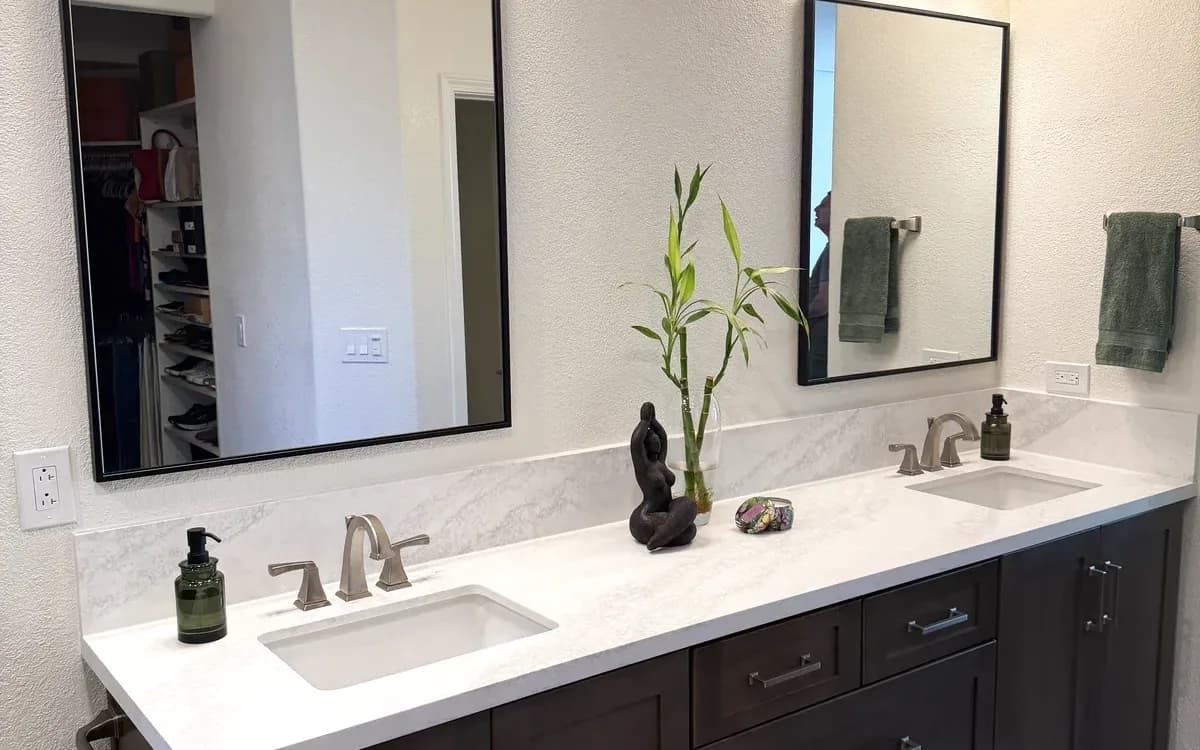
A completed mid-range bathroom remodel -- the most common project type takes 4-6 weeks of active construction
Quick Answer: How Long Does a Bathroom Remodel Take?
The short answer: most bathroom remodels take 4-6 weeks of active construction, plus 2-6 weeks of pre-construction planning. But "bathroom remodel" covers everything from a weekend paint job to a three-month gut renovation, so the real answer depends entirely on your project scope.
Here is the quick breakdown by scope:
- Cosmetic refresh (paint, fixtures, hardware, mirrors): 2-3 weeks
- Mid-range remodel (new tile, vanity, shower, fixtures): 4-6 weeks
- Major renovation (layout changes, plumbing relocation, structural work): 8-12 weeks
Having completed hundreds of bathroom remodels across the Sacramento region — including Rocklin and surrounding Placer County communities — we have seen projects finish ahead of schedule and others stretch well beyond initial estimates. The difference almost always comes down to planning, material readiness, and realistic expectations from the start. This guide walks you through every phase so you can plan with confidence.
Key Takeaway
The calendar time from your first contractor meeting to final walkthrough is typically 8-14 weeks for a mid-range bathroom remodel. Active construction accounts for 4-6 weeks of that, with the rest spent on design decisions, permitting, and material procurement. The pre-construction phase is where most homeowners underestimate the timeline.
Timeline by Project Type
Not every bathroom remodel is the same. A powder room refresh is a fundamentally different project than gutting a master bathroom down to the studs. Here is how timelines break down by bathroom type and scope.
| Project Type | Pre-Construction | Active Construction | Total Timeline |
|---|---|---|---|
| Powder Room Refresh | 1-2 weeks | 1-2 weeks | 2-4 weeks |
| Guest Bathroom Remodel | 2-3 weeks | 3-5 weeks | 5-8 weeks |
| Master Bathroom Remodel | 3-5 weeks | 6-10 weeks | 9-15 weeks |
| Full Gut Renovation | 4-6 weeks | 8-12 weeks | 12-18 weeks |
| Tub-to-Shower Conversion | 2-3 weeks | 2-4 weeks | 4-7 weeks |
| Small Bathroom Remodel | 2-3 weeks | 3-5 weeks | 5-8 weeks |
These timelines assume an experienced contractor, materials ordered in advance, and no major surprises behind walls. We will cover what pushes projects beyond these ranges in the delays section below.

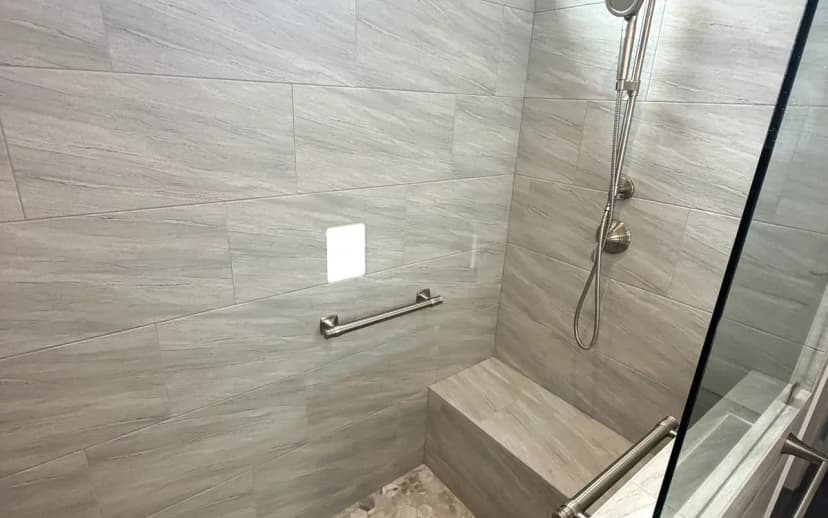
A guest bathroom mid-remodel: new tile, updated vanity, and modern fixtures typically take 3-5 weeks of active work
Week-by-Week Breakdown: Typical Mid-Range Remodel
A mid-range bathroom remodel -- new tile shower, vanity, flooring, fixtures, and paint with no layout changes -- is the most common project we handle. Here is what a realistic five-week construction schedule looks like.
| Week | Phase | Key Activities |
|---|---|---|
| Week 1 | Demolition + Rough-In | Gut existing bathroom, reroute plumbing and electrical as needed, inspection |
| Week 2 | Waterproofing + Backer Board | Install cement board, waterproof shower pan and walls, cure time |
| Week 3 | Tile (Shower + Floor) | Shower wall tile, floor tile, niche tile, accent features |
| Week 4 | Grout + Vanity + Paint | Grout and seal tile, install vanity and countertop, paint walls and ceiling |
| Week 5 | Fixtures + Final | Shower glass, toilet, faucets, lighting, hardware, final inspection, cleanup |
The schedule above is what we present to homeowners as a realistic working plan. Some weeks include intentional buffer days for cure times (waterproofing and grout both need 24-48 hours to set properly). Rushing these steps to save a day risks moisture failure down the road -- a tradeoff no responsible contractor should make.
Pre-Construction Phase (2-6 Weeks)
Before a single tile is demolished, significant work happens behind the scenes. The pre-construction phase is where projects either get set up for success or saddled with delays from the start.
Design and material selection (1-3 weeks): Choosing tile, vanity, fixtures, paint colors, and hardware sounds fast until you realize a typical bathroom involves 15-25 individual product decisions. Custom-order tile from specialty suppliers adds 2-4 weeks of lead time. We encourage clients to finalize selections before signing a construction contract because mid-project changes are the single biggest cause of schedule overruns.
Permits (1-2 weeks): Most bathroom remodels in Sacramento, Placer, and El Dorado counties require building permits for plumbing and electrical work. Permit processing times vary: Sacramento County averages 5-10 business days for residential bathroom permits, while Placer County runs 7-14 business days. Your contractor should handle all permit applications and inspections.
Material procurement (2-4 weeks): In-stock tile and standard vanities can arrive within a week. But custom vanities, imported tile, frameless glass enclosures, and specialty fixtures often require 3-6 weeks for manufacturing and delivery. Experienced contractors order materials as soon as selections are finalized and confirm delivery dates before scheduling demolition. If your contractor starts demo before all materials are on-site or confirmed, that is a red flag.

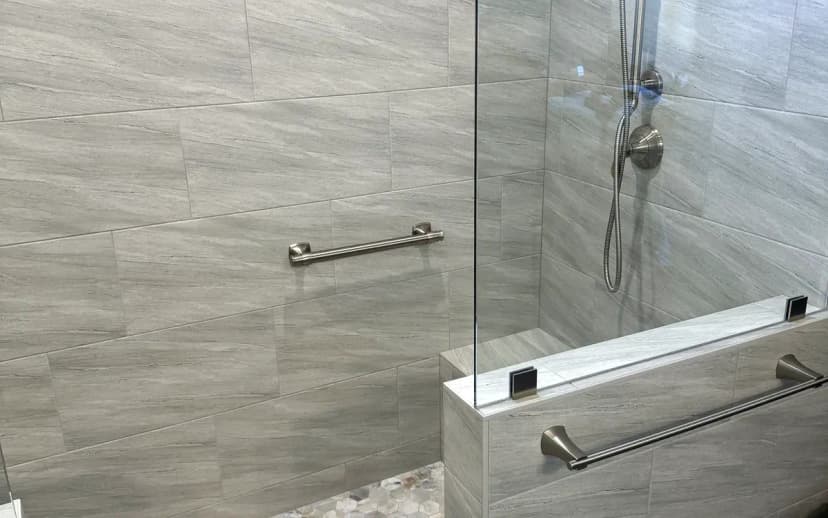
Frameless glass enclosures like this one are custom-manufactured -- order 3-4 weeks before your installation date
Demolition Phase (1-3 Days)
Demolition is the fastest and loudest phase. For a standard bathroom, a crew can strip everything to the studs in 1-2 days: removing old tile, vanity, toilet, shower or tub, flooring, and drywall in the wet areas. A third day is sometimes needed for larger master bathrooms or when materials are stubborn (mud-set tile from the 1970s-1980s takes significantly longer to remove than modern thinset installations).
This is also when surprises appear. Once walls are opened, contractors may discover water damage, mold, outdated plumbing (galvanized pipes), or subfloor rot that was invisible before demo. We discuss this reality with every client upfront: about 20-30% of bathroom remodels reveal some issue that was not visible during the initial assessment. Having a contingency plan (and budget) avoids panic decisions.
Expect during demo: Significant noise from 7-8 AM until mid-afternoon, dust (contained with plastic sheeting and zip walls), debris hauling, and temporary loss of water to the bathroom being remodeled. The rest of the house remains functional.
Rough-In Plumbing and Electrical (3-5 Days)
Once the bathroom is stripped down, licensed plumbers and electricians update or reroute supply lines, drain lines, and wiring to match the new layout. If your shower remodel keeps the same footprint, rough-in is straightforward: 2-3 days to update valve positions, add a new shower head location, and run any new electrical for ventilation fans or recessed lighting.
Layout changes -- moving a toilet, relocating a vanity, or adding a second sink -- extend rough-in to 4-5 days because drain lines running through the subfloor or slab need to be reconfigured. This is also when the county inspector visits for a rough plumbing and electrical inspection. Failing inspection means rework and re-inspection, which can add 3-5 days to the schedule.
Pro tip: If you are considering a tub-to-shower conversion, the rough-in phase is where the drain gets relocated from the tub position to the shower position. This is standard work for an experienced plumber but adds a day compared to a same-footprint replacement.
Waterproofing and Backer Board (2-3 Days)
Waterproofing is arguably the most critical phase of any bathroom remodel. It is invisible once the bathroom is finished, but failures here cause the most expensive long-term damage: mold, structural rot, and leaks into rooms below. This is not the phase to rush.
The process involves installing cement backer board (Durock, Hardiebacker, or similar) on shower walls and any wet areas, followed by a liquid-applied or sheet membrane waterproofing system (Schluter Kerdi, Laticrete Hydro Ban, or RedGard are common). The shower pan -- whether a pre-formed base or a custom tile-ready tray -- gets its own waterproofing treatment.
Each waterproofing layer requires cure time (typically 24 hours between coats for liquid-applied systems). A properly waterproofed shower requires 2 coats minimum, and some systems require a flood test where the shower pan is filled with water and monitored for 24 hours to confirm zero leakage. This phase takes 2-3 days but protects your investment for decades.

Proper waterproofing is invisible in the finished product but is the most critical phase for long-term durability
Tile Installation (5-10 Days)
Tile is where your bathroom remodel spends the most active construction time -- and where the final result becomes visible. A typical mid-range bathroom involves three distinct tiling zones: shower walls, shower floor, and bathroom floor. Each has different requirements.
Shower walls (2-4 days): Large-format tiles (12x24 or larger) install faster with fewer grout lines. Small mosaic or intricate patterns take longer. Niches, shelves, and accent bands add time. A standard 3-wall shower with large-format tile takes an experienced installer 2-3 days. Complex designs with multiple tile sizes, patterns, and trim pieces can take 4-5 days.
Shower floor (1 day): Typically uses smaller mosaic tile (2x2 or hexagonal) for proper drainage slope.
Bathroom floor (1-2 days): Floor tile installation includes proper layout, cutting around the toilet flange and vanity area, and threshold transitions.
Grouting and sealing (1-2 days): After all tile is set and cured (24 hours minimum), grouting fills the joints. Epoxy grout takes longer to apply but offers superior stain and moisture resistance compared to sanded grout. Sealing completes the tile work.
Fixture Installation and Finishing (3-5 Days)
The final construction phase brings the bathroom together. This is when it starts looking like a real room again rather than a construction zone.
Day 1-2: Vanity installation (set cabinet, install countertop, connect plumbing), toilet installation, and painting walls and ceiling.
Day 2-3: Shower glass enclosure installation (frameless glass requires precise measurements taken after tile is complete, then custom-fabricated), shower fixtures (valve trim, shower head, hand shower), and faucet installation.
Day 3-5: Lighting fixtures, mirrors, towel bars, toilet paper holders, all hardware, final caulking at all transitions (tub/shower to tile, vanity to wall, toilet base), and thorough cleanup. The final day includes a walkthrough with the homeowner, a punch list review, and final county inspection.
After the final walkthrough, most bathrooms need 24-48 hours before heavy use to allow caulk to fully cure. Then the bathroom is yours to enjoy.

A completed master bathroom featuring dual vanity, custom tile work, and modern fixtures -- the result of careful planning and skilled execution
What Causes Bathroom Remodel Delays
Even well-planned projects face potential delays. Here are the most common causes we see and how much time each typically adds.
| Delay Cause | Time Added | Preventable? |
|---|---|---|
| Material backorders | 2-6 weeks | Yes -- order early, confirm lead times |
| Hidden water damage or mold | 3-7 days | Partially -- budget contingency helps |
| Permit processing delays | 1-3 weeks | Partially -- file early, use experienced contractor |
| Mid-project change orders | 1-4 weeks | Yes -- finalize all selections before demo |
| Subcontractor scheduling conflicts | 3-7 days | Mostly -- choose contractors with reliable subs |
| Failed inspection requiring rework | 3-5 days | Yes -- hire licensed, code-compliant contractors |
| Outdated plumbing (galvanized pipes) | 2-4 days | No -- discovered during demo |
The single biggest controllable delay is material backorders. We have seen projects sit idle for weeks waiting for a specific tile or a custom vanity. This is why we require all materials to be on-site or have confirmed delivery dates before scheduling demolition. It costs nothing extra and prevents the most common source of frustration. To understand how these delays affect your budget, see our Sacramento bathroom remodel cost guide.
How to Speed Up Your Bathroom Remodel
While you should never sacrifice quality for speed, there are legitimate ways to keep your project on the shorter end of the timeline range.
- Finalize all selections before signing the contract. Tile, vanity, countertop, fixtures, paint colors, hardware -- every decision made before construction starts is a decision that will not cause a delay during construction.
- Choose in-stock materials when possible. Floor & Decor, local tile showrooms, and major distributors keep popular styles in stock. Custom orders add weeks.
- Get permits filed immediately. Your contractor should submit permit applications as soon as the scope is defined, not after materials arrive.
- Avoid layout changes. Keeping the toilet, vanity, and shower in their current positions eliminates the most time-consuming rough-in work.
- Use a single general contractor. Contractors who manage their own plumbing, electrical, and tile subcontractors maintain tighter schedules than homeowners coordinating multiple independent trades.
- Be available for decisions. When an unexpected issue arises, a same-day decision from the homeowner keeps work moving. Waiting 2-3 days for approval on a minor change stalls the entire crew.
- Consider large-format tile. 12x24 or 24x24 tiles cover more area per piece, reducing installation time and grout lines.

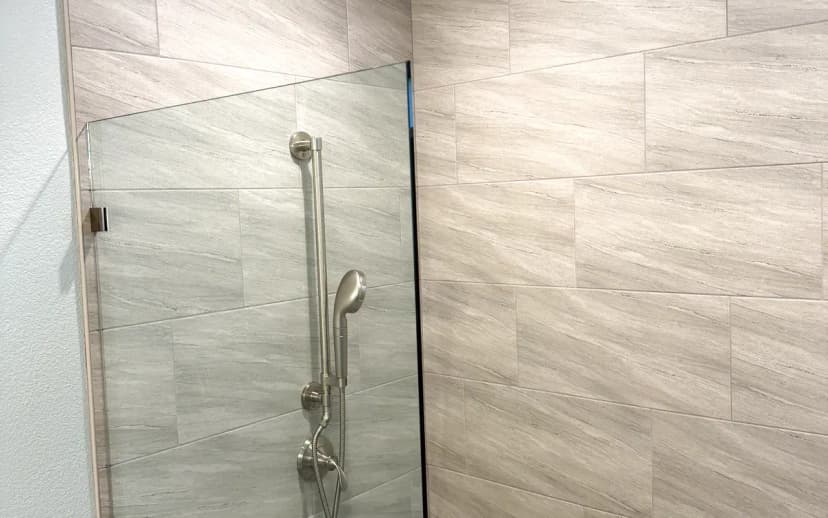
Advance material selection and experienced project management keep remodels on schedule without cutting corners
Living in Your Home During a Bathroom Remodel
The vast majority of our clients stay in their homes during a bathroom remodel. Here is what to realistically expect.
Noise: Demolition day is the loudest -- sledgehammers, reciprocating saws, and pry bars generate significant noise from approximately 7:30 AM to 3:30 PM. Tile cutting (wet saw) generates a consistent high-pitched sound during the tile phase. Other phases (painting, fixture installation) are relatively quiet.
Dust: We contain the work area with plastic sheeting and zip walls, but some fine dust migrates despite containment. Plan to do a thorough house cleaning after the project is complete.
Bathroom access: The bathroom under construction will be completely unusable for the entire construction period (4-6 weeks for a mid-range project). You need at least one other functioning bathroom in the house. If you are remodeling your only bathroom, discuss a compressed timeline with your contractor, or plan for 1-2 weeks of using a gym, a neighbor's home, or a portable facility during the critical waterproofing-through-tile phase.
Workers in your home: Expect 1-4 workers in your home on most workdays, entering and exiting through a designated door. A good contractor establishes ground rules: shoe covers, designated break areas, and specific access paths. Discuss these logistics before work begins.
Questions to Ask Your Contractor About Timeline
Before signing a contract, ask these questions to set realistic expectations and evaluate whether the contractor has a credible plan.
- What is the projected start date and completion date? Get specific dates, not vague ranges. A contractor who says "sometime next month" is not managing a schedule.
- Will materials be on-site before demolition begins? The answer should be yes, or confirmed delivery dates should be secured.
- Who handles permits and how long do they take? The contractor should handle all permits and have experience with your local jurisdiction's processing times.
- What happens if you discover damage behind the walls? Look for a clear process: assess the issue, present options and costs, get homeowner approval, then proceed.
- Will the same crew be here every day or will there be gaps? Gaps between subcontractors are normal (1-2 days for inspections and cure times), but multi-day gaps with no activity suggest scheduling problems.
- What is the penalty or process if the project runs over the estimated timeline? Few contractors offer hard penalties, but their answer reveals how seriously they take schedule management.
- How will you communicate progress and any changes? Daily or weekly updates (even a quick photo text) keep homeowners informed and reduce anxiety.
If you are also weighing how to pay for your remodel, our guide on financing a home remodel covers the most popular options for Sacramento-area homeowners.
Frequently Asked Questions
Ready to Plan Your Bathroom Remodel Timeline?
At Oakwood Remodeling Group, we provide detailed project schedules before work begins -- so you know exactly what is happening each week. With 20+ years of combined experience across the Sacramento region, we manage every phase from permits and material procurement through final inspection, keeping your project on track and on budget.
Call (916) 907-8782 or request a free consultation to get a realistic timeline for your bathroom remodel.
Get Your Free Estimate
Schedule your consultation today
Get a Free Estimate
Call us at (916) 907-8782 or fill out our contact form.