East Sacramento Bathroom Remodel Guide: Expert Solutions for Craftsman, Tudor & Historic Homes
Your neighborhood-specific guide to remodeling bathrooms in the Fab 40s, McKinley Park, Boulevard Park, and beyond — with cost data, hidden condition warnings, and period-appropriate design inspiration
Looking for bathroom remodeling in Sacramento? View our Sacramento service area page →
Table of Contents
- 1. Why East Sacramento Bathrooms Are Uniquely Challenging
- 2. The Fab 40s, McKinley Park & Boulevard Park — Housing Age Breakdown
- 3. Craftsman Bathroom Remodels: Preserving Character While Modernizing
- 4. Tudor Revival Bathroom Renovations: What Makes Them Different
- 5. Hidden Conditions in 1900–1940 East Sac Homes
- 6. Period-Appropriate Fixtures and Materials
- 7. East Sac Bathroom Remodel Cost Ranges by Project Scope
- 8. Permits and Historic Preservation Considerations
- 9. Three East Sacramento Project Archetypes
- 10. Frequently Asked Questions
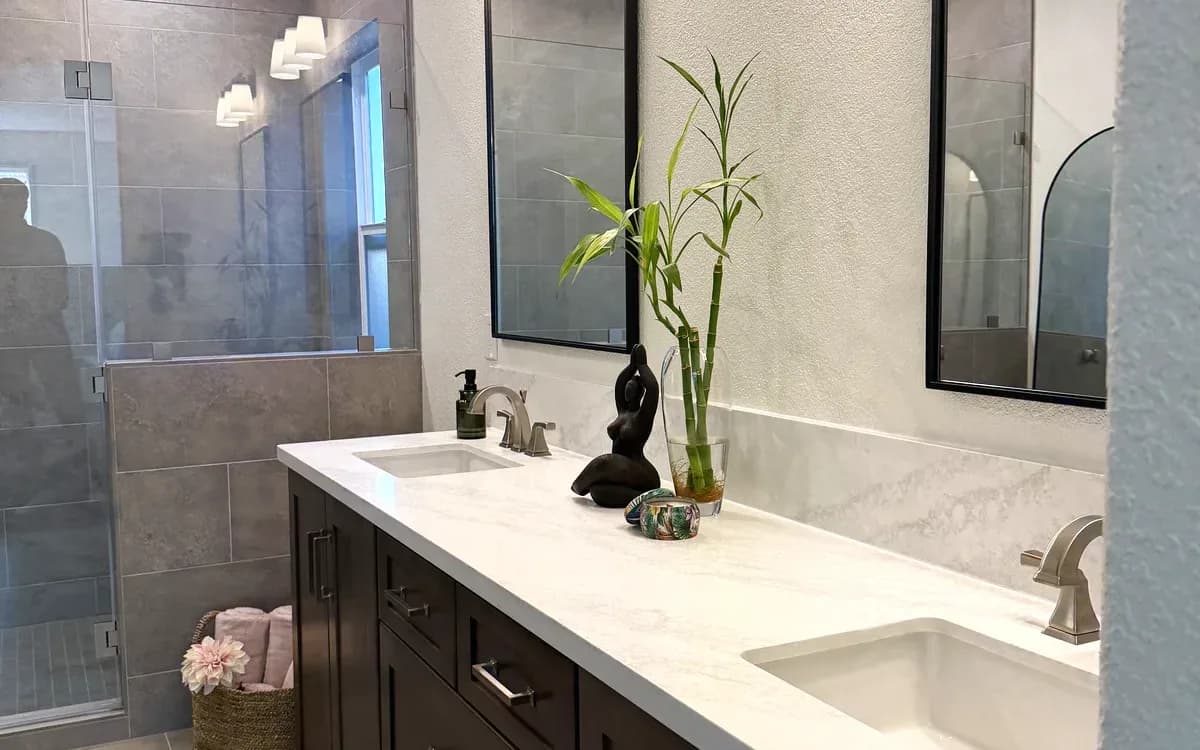
A period-appropriate bathroom remodel in an East Sacramento Craftsman home — modern function, timeless character
East Sacramento is one of the most desirable neighborhoods in the entire Sacramento metro area. Tree-lined streets, walkable blocks, and homes with genuine architectural character make it a place where people plant roots and stay for decades. But those beautiful 1920s Craftsman bungalows and stately Tudor Revivals? Their bathrooms were designed for a completely different era.
If you own a home in the Fab 40s, McKinley Park, or Boulevard Park and you are planning a bathroom remodeling project, you need a guide built specifically for your neighborhood. Generic bathroom remodeling advice will not prepare you for what is behind those plaster walls. This guide covers everything from hidden conditions and preservation strategies to realistic cost data and permit requirements — all specific to East Sacramento.
As Sacramento bathroom remodeling specialists, we have worked inside dozens of East Sac homes and seen firsthand how different these projects are from newer construction. This guide shares what we have learned so you can plan your remodel with confidence.
Why East Sacramento Bathrooms Are Uniquely Challenging
Most homes in East Sacramento were built between 1890 and 1940. That means the original bathrooms are 80 to 130+ years old. When these homes were constructed, a single bathroom per household was the norm. Families shared one small room with a pedestal sink, a cast iron tub, and basic plumbing that would not meet a single requirement in today's building code.
The construction methods of that era create specific challenges that modern tract-home remodeling guides never address. East Sac homes commonly feature balloon framing — where wall studs run continuously from foundation to roofline with no fire blocking between floors. You will find lath-and-plaster walls instead of drywall, which changes how you attach tile backer board, mount grab bars, and handle demolition.
Behind those plaster walls, the supply pipes are almost certainly galvanized steel. After 80+ years, galvanized pipes corrode from the inside out, reducing water pressure to a trickle and turning your water rusty brown. The drain lines are typically cast iron, and while cast iron is durable, it does eventually fail through internal corrosion and joint separation.
Then there is the wiring. Even in homes that have been “updated,” it is common to find remnants of knob-and-tube electrical hidden inside walls. If your remodel opens a wall and exposes active knob-and-tube, California code requires removal and replacement — an unplanned cost that can add $2,000 to $5,000 to your project.
The bottom line: a bathroom remodel in East Sacramento is not the same project as a bathroom remodel in Natomas or Elk Grove. The homes are older, the hidden conditions are more complex, and the design considerations require a contractor who understands period-appropriate work. What follows in this guide will help you prepare for every step.
The Fab 40s, McKinley Park & Boulevard Park — Housing Age Breakdown
East Sacramento is not a single homogeneous neighborhood. It encompasses several distinct sub-neighborhoods, each with its own architectural character, housing age, and typical remodeling challenges. Understanding which sub-neighborhood your home falls in will help you anticipate what your bathroom remodel will actually involve.
The Fab 40s (40th–46th Streets, Between J and Folsom)
The Fab 40s are the crown jewel of East Sacramento — and arguably one of the most prestigious residential streets in all of Northern California. Homes here were primarily built between 1920 and 1940, with architectural styles ranging from Craftsman bungalows to Tudor Revival, Colonial Revival, and Spanish Colonial.
Lots are larger than in surrounding neighborhoods, and the original construction quality was often higher than average. That said, even high-quality 1930s construction used galvanized water pipes, cast iron drains, and wiring practices that would fail modern code. Original bathrooms in Fab 40s homes tend to be small but well-appointed for their era — you may find built-in medicine cabinets with beveled mirrors, original hex tile floors, and solid porcelain pedestal sinks worth preserving.
Typical remodel profile: Homeowners in the Fab 40s often want to modernize function while preserving the home's architectural integrity. Period-appropriate fixtures, handcrafted tile, and warm wood vanities are popular choices. Budget for a 10-15% premium over Sacramento averages due to preservation-grade materials.
McKinley Park Area (Between Alhambra and 40th, E and H Streets)
The McKinley Park neighborhood centers around the beautiful McKinley Park itself and includes some of the most active community blocks in Sacramento. Homes here were built primarily between 1910 and 1930, with a mix of Craftsman bungalows and Colonial Revival styles. Lots tend to be smaller than the Fab 40s, and the homes are often more modest in scale.
Most McKinley Park homes were built with one original bathroom — and often it is the only full bathroom in the house. The demand to add a second bathroom by converting closet space, a porch, or an underused room is extremely common in this sub-neighborhood. Plumbing infrastructure here is similar to the Fab 40s but often slightly older, which means the galvanized pipes and cast iron drains have had even more time to deteriorate.
Typical remodel profile: Functional modernization is the priority. Homeowners want to solve real problems — poor water pressure, a single cramped bathroom, outdated wiring — while keeping the Craftsman charm that drew them to the neighborhood. Mid-range budgets ($25,000–$45,000) are most common.
Boulevard Park (Between 16th and 21st, C and H Streets)
Boulevard Park contains some of the oldest housing stock in all of Sacramento. Homes here date from the 1890s through the 1910s, with architectural styles including Victorian, Queen Anne, and early Craftsman. Many of these homes have been through multiple rounds of renovation over their 110-130+ year lifespan, which means you may encounter layers of previous work behind the walls.
Original bathrooms in Boulevard Park homes are often extremely small by modern standards. You may find rooms that are barely 4 feet by 6 feet — enough for a toilet, a tiny sink, and a clawfoot tub with no shower. The oldest homes may still have some original lead supply pipes in addition to galvanized lines, and balloon framing is the rule rather than the exception.
Typical remodel profile: These are the most complex East Sacramento bathroom projects. Demolition must be careful and methodical. Lead paint is virtually guaranteed. Structural surprises are common. Homeowners who love their Boulevard Park homes tend to invest in high-quality preservation-grade remodels — budgets of $40,000 to $80,000+ are not unusual.
Elmhurst and Tahoe Park Border
The eastern and southern edges of East Sacramento transition into Elmhurst and Tahoe Park, where construction dates shift to the 1930s through 1950s. You will find a mix of late Craftsman, Minimal Traditional, and early ranch-style homes here. These homes generally have simpler construction, fewer preservation constraints, and more predictable hidden conditions compared to the core East Sac neighborhoods.

The Fab 40s — where Craftsman character meets modern remodeling challenges
Craftsman Bathroom Remodels: Preserving Character While Modernizing
The Craftsman bungalow is the defining architectural style of East Sacramento. These homes were built with a philosophy of honest materials, handcrafted details, and functional beauty. Your bathroom remodel should honor that philosophy — not fight against it.
The key to a successful Craftsman bathroom remodel is knowing what to preserve and what to modernize. You want to update the infrastructure (plumbing, electrical, ventilation, waterproofing) while keeping the visual character that makes a Craftsman home special.
Elements Worth Preserving
- Original hex tile floors — If they are in good condition (less than 10% damage), clean and reseal them rather than ripping them out. Original hex tile adds authenticity and value.
- Built-in medicine cabinets — Many Craftsman homes have recessed medicine cabinets with beveled-mirror doors. These are often custom-fitted to the wall and nearly impossible to replicate affordably.
- Wood trim profiles — The baseboards, door casings, and window trim in a Craftsman home have distinctive profiles. Match new trim to existing profiles or preserve the originals with careful demolition.
- Clawfoot tubs — If your original clawfoot is in decent shape, professional refinishing ($400–$600) costs a fraction of a new reproduction ($2,000–$4,000) and keeps the original piece in place.
Elements to Modernize
- All plumbing supply lines — Replace galvanized with PEX or copper. No exceptions in a 1920s home.
- Electrical wiring and outlets — Bring up to code with GFCI protection, proper grounding, and adequate lighting circuits.
- Ventilation — Original Craftsman bathrooms had no exhaust fans. Install a 50+ CFM fan venting to the exterior to prevent mold and moisture damage.
- Waterproofing — Original construction had no modern moisture barriers. Install proper waterproofing (Schluter Kerdi or equivalent) behind all shower and tub walls.
Craftsman-Appropriate Tile Choices
The right tile makes or breaks a Craftsman bathroom remodel. Avoid large-format porcelain that looks like it belongs in a Natomas spec home. Instead, consider classic subway tile (3x6 in white or soft cream) for shower walls, hex mosaic (1-inch or 2-inch) for floors, and handmade ceramic for accent borders. These choices echo the craftsmanship ethic that defines the style.
For hardware and fixtures, oil-rubbed bronze is the classic Craftsman finish — warm, understated, and timeless. Brushed brass and matte black also work beautifully in Craftsman bathrooms and pair well with warm wood vanities. See our guide to the best fixture finishes for 2026 bathrooms for more detail on finish selection.
Tudor Revival Bathroom Renovations: What Makes Them Different
Tudor Revival homes are the second most common architectural style in the Fab 40s and parts of McKinley Park. These homes are immediately recognizable by their steeply pitched rooflines, decorative half-timbering, arched doorways, and leaded glass windows. The interior aesthetic tends to be darker and more formal than Craftsman — think rich wood tones, plaster walls with wood accents, and a medieval-inspired warmth.
Bathroom design in a Tudor Revival home should lean into that character. Natural stone — particularly marble and slate — works beautifully in Tudor bathrooms. Wrought iron or antique bronze hardware complements the style. Tile patterns can reference Gothic or medieval motifs without being overly literal: think herringbone layouts, pointed arch niches, and diamond-set accent tiles.
Structurally, Tudor Revival homes present some differences from Craftsman bungalows. Walls tend to be thicker plaster, sometimes with a wire lath rather than the wood lath found in Craftsman homes. The plaster may be harder and more difficult to demolish cleanly. Window openings are often arched or irregularly shaped, which affects how you plan shower enclosures and vanity placement.
For a deeper understanding of how different home eras affect bathroom remodeling, see our guide on bathroom structural issues by home era.
Hidden Conditions in 1900–1940 East Sac Homes
This is the section that separates an East Sacramento bathroom remodel from every other remodel in the Sacramento metro. Hidden conditions are not a possibility — they are a certainty. Every pre-1940 home will reveal something unexpected when you open the walls. The only question is how much it will cost to address.
Galvanized Steel Supply Pipes
Galvanized steel was the standard water supply pipe material from the 1900s through the 1960s. After 80 to 120 years, these pipes have corroded from the inside, building up layers of mineral scale that restrict water flow. Symptoms include low water pressure, brown or rusty water when first turned on, and pinhole leaks that cause water damage behind walls.
Our recommendation: If you are opening walls for a remodel, replace all accessible galvanized supply lines with PEX. The cost for a bathroom-only repipe is $1,500 to $3,000. A whole-house repipe runs $4,000 to $8,000. Given that you are already paying for demolition and wall repair, combining the repipe with your remodel saves significant labor cost compared to doing it separately later.
Knob-and-Tube Wiring
Even in homes that appear to have modern wiring at the panel, it is common to find active knob-and-tube circuits hidden inside walls that were never opened during previous electrical upgrades. If your remodel exposes knob-and-tube, California electrical code requires removal and replacement with modern romex wiring.
This is non-negotiable — your inspector will not sign off on a remodel that leaves active knob-and-tube in the walls. Budget $2,000 to $5,000 for bathroom-area knob-and-tube remediation.
Lath-and-Plaster Walls
Every East Sacramento home built before 1945 has lath-and-plaster walls rather than drywall. This affects your remodel in several ways. Demolition generates significantly more dust and debris than drywall removal. You cannot use standard drywall screws to mount tile backer board or grab bars — you need to fasten through the lath into the studs, which requires longer fasteners and careful stud-finding (stud finders are less reliable through plaster).
The upside is that some plaster walls are still in excellent condition and can be preserved where you are not installing tile. This saves the cost and disruption of full demolition on non-wet walls.
Cast Iron Drain Lines
Cast iron was the standard drain pipe material until the 1970s. In East Sacramento homes, the cast iron is typically 80 to 130 years old. While cast iron has a longer lifespan than galvanized supply pipes, it does eventually fail through internal corrosion, hub joint separation, and root intrusion (particularly on horizontal runs in crawlspaces).
A camera scope inspection ($200–$400) before starting your remodel can identify drain problems before they become mid-project emergencies. Replacement of a main stack runs $2,000 to $5,000.
Lead Paint
Every home in East Sacramento was built before 1978 — the year lead paint was banned for residential use. That means lead paint is present on virtually every painted surface in these homes: walls, trim, doors, window sills, and especially the multiple layers of paint on bathroom walls and cabinets.
Under the EPA's Renovation, Repair, and Painting (RRP) Rule, any contractor performing work that disturbs more than 6 square feet of painted surface in a pre-1978 home must be EPA Lead-Safe Certified. This adds $500 to $2,000 to your project cost for containment, testing, and proper disposal.
Subfloor Rot and Balloon Framing
Original subfloors in East Sac homes are typically 1x straight-laid boards (not plywood). Decades of minor leaks around toilets, tubs, and shower pans almost always produce some degree of subfloor rot. Replacement of the subfloor in the immediate fixture area adds $500 to $2,000. Read more about this in our guide to subfloor issues found during remodels.
Balloon framing — found in most pre-1930 homes — means wall cavities are open from foundation to attic. Modern code requires fire blocking (horizontal framing members or approved fire-stop material) whenever walls are opened during a remodel. Your contractor should include fire blocking in their scope of work. For more detail, see our post on what to expect with subfloor repair.
The Budget Impact
When you add up galvanized pipe replacement, potential knob-and-tube remediation, lead paint compliance, subfloor repair, and fire blocking, hidden conditions in East Sacramento homes typically add 15 to 30 percent to your base remodel budget. This is why we always recommend a 20% contingency fund for any pre-1940 home remodel. It is not pessimism — it is planning.

What you find behind the walls of a 1920s East Sacramento home — galvanized pipes, lath-and-plaster, and decades of history
Period-Appropriate Fixtures and Materials
One of the biggest mistakes homeowners make in East Sacramento bathroom remodels is installing fixtures that belong in a brand-new Folsom tract home. Ultra-modern, minimalist fixtures look out of place in a Craftsman bungalow or Tudor Revival — and they can actually hurt your resale value by clashing with the home's architectural identity.
The good news is that several major fixture manufacturers now offer lines specifically designed to complement period homes. Here are our top recommendations:
Faucets and Showerheads
- Kohler Artifacts Collection — Inspired by early 20th-century design with cross handles, bridge faucets, and exposed-pipe shower kits. Available in Vibrant Brushed Bronze and Oil-Rubbed Bronze.
- Delta Cassidy Collection — Traditional styling with modern performance. The cross-handle widespread faucet is a popular choice for East Sac Craftsman bathrooms.
- American Standard Town Square S — Classic early-century silhouette with metal lever handles. More affordable than Kohler Artifacts with similar visual impact.
Tile and Flooring
- Hex mosaic marble (1-inch or 2-inch) — The quintessential Craftsman bathroom floor. Carrara or Calacatta marble in a tumbled or honed finish.
- Handmade ceramic subway tile — Slightly irregular edges and glazing that add warmth and character. Fireclay Tile (a California-based manufacturer) offers handmade options in a range of period-appropriate colors.
- Encaustic cement tile — For accent floors, shower niches, or feature walls. Geometric patterns reference Arts and Crafts era design without being kitschy.
For a deeper comparison of tile materials suited to Northern California homes, read our porcelain vs natural stone tile guide for NorCal.
Tubs and Toilets
If your original clawfoot tub is intact, professional refinishing runs $400 to $600 and gives you another 15 to 20 years of use. A new reproduction clawfoot from Randolph Morris or Signature Hardware costs $2,000 to $4,000 installed. For toilets, comfort-height models with a vintage-profile tank (like the Kohler Memoirs) blend period look with modern performance and ADA-friendly height.

Period-appropriate fixtures that honor Craftsman design: hex tile, subway tile, and oil-rubbed bronze
East Sac Bathroom Remodel Cost Ranges by Project Scope
Every East Sacramento bathroom remodel is different, but after years of working in this neighborhood, clear cost patterns emerge. Here is what you can realistically expect at each project tier — including the East Sac premium that accounts for older construction and period-appropriate materials.
| Project Scope | Cost Range | Timeline | What's Included |
|---|---|---|---|
| Cosmetic Refresh | $8,000–$15,000 | 1–2 weeks | Paint, hardware swap, new vanity (same footprint), updated lighting, refinished tub, mirror |
| Partial Remodel | $15,000–$35,000 | 3–4 weeks | New shower or tub, tile, vanity, updated plumbing/electrical as needed, ventilation |
| Full Gut Remodel | $35,000–$65,000 | 6–8 weeks | Down to studs, all new plumbing/electrical, layout change possible, period-appropriate finishes |
| Master Bath Addition | $50,000–$85,000+ | 8–12 weeks | Adding bathroom where none existed — closet conversion, bump-out, new plumbing run, high-end finishes |
The East Sac premium: Expect to pay 10 to 20 percent more than Sacramento metro averages. This reflects three factors: (1) hidden conditions that add remediation costs, (2) period-appropriate materials that cost more than builder-grade options, and (3) the specialized labor required to work carefully in older construction. A contractor who quotes you the same price for a 1925 Craftsman and a 2005 Natomas tract home is either underestimating your project or planning to cut corners.
For detailed line-item cost breakdowns, see our comprehensive Sacramento bathroom remodel cost guide.
Permits and Historic Preservation Considerations
A common concern among East Sacramento homeowners is whether their remodel will trigger historic preservation review that adds time, cost, and restrictions to the project. Here is the straightforward answer:
East Sacramento is not a formally designated historic district. There is no Historic Preservation Overlay Zone covering the neighborhood as a whole. This means your bathroom remodel does not automatically require Preservation Commission review, design review, or any special historic-district permits.
However, individual homes may be listed on the Sacramento Register of Historic and Cultural Resources. If your specific home is listed, any exterior changes visible from the street (such as adding a window for a new bathroom) would require Preservation Commission review. Interior work — including bathroom remodeling — is generally exempt from historic review even in individually listed homes.
You can check whether your home is on the Sacramento Register by contacting the Sacramento Preservation Commission.
Regardless of historic status, all bathroom remodels involving plumbing, electrical, or structural work require standard City of Sacramento building permits. For a complete walkthrough of the permit process, costs, and timeline, read our Sacramento bathroom remodel permits and timeline guide.
Three East Sacramento Project Archetypes
Every East Sacramento bathroom remodel is unique, but most projects fall into one of three broad categories. These composite walkthroughs illustrate what each type of project typically involves, costs, and delivers.
Archetype 1: The Fab 40s Half-Bath Upgrade ($18,000–$28,000)
The home: A 1935 Craftsman bungalow on 42nd Street with three bedrooms and one-and-a-half bathrooms. The half bath (powder room) has a pedestal sink and toilet but no shower or tub.
The goal: Convert the powder room into a full three-quarter bathroom with a walk-in shower, keeping the existing toilet and adding a small vanity with storage.
The scope: Extend the drain line to add a shower drain (the home has a raised foundation, so plumbing access is through the crawlspace). Install a 36x36 corner shower with subway tile walls and a hex mosaic floor. Add a 24-inch furniture-style vanity. Upgrade wiring with a GFCI outlet and new exhaust fan. Tile the floor in hex mosaic to match the home's original bathroom.
Hidden conditions found: Galvanized supply lines to the existing sink were 70% corroded — replaced with PEX. One section of subfloor under the toilet had soft spots — sistered the joist and replaced a 2x4 section of subfloor.
Timeline: 3.5 weeks from demolition to final inspection.
Final cost: $23,500 (including $2,800 for hidden condition remediation).
Archetype 2: The McKinley Park Full Gut Remodel ($35,000–$55,000)
The home: A 1922 Craftsman near McKinley Park with two bedrooms and one full bathroom. The bathroom is the original — a 5x8 room with a built-in tub/shower combo, pedestal sink, and hexagonal floor tile that was 60% cracked and loose.
The goal: Full gut remodel to create a modern, functional bathroom while honoring the Craftsman aesthetic. Replace the tub/shower combo with a walk-in shower. Add a vanity with storage. Update all plumbing and electrical. Improve ventilation.
The scope: Demolish to studs. Replace all galvanized supply with PEX, replace corroded cast iron drain fittings with PVC transitions. Install new electrical circuit with GFCI outlets and dedicated exhaust fan circuit. Build a 48-inch walk-in shower with frameless glass panel, hand-crafted subway tile, and linear drain. Install a 36-inch Shaker-style vanity in warm walnut. Hex mosaic marble floor throughout. Oil-rubbed bronze fixtures (Kohler Artifacts cross-handle faucet, rain showerhead).
Hidden conditions found: Active knob-and-tube wiring in the bathroom wall (had been bypassed at the panel but never removed) — $3,200 for remediation. Lead paint on all trim and walls — $1,400 for RRP-compliant containment and disposal. Subfloor rot under the tub — $900 for joist repair and plywood replacement. Balloon framing with no fire blocking — $600 for fire-stop installation.
Timeline: 7 weeks from demolition to final inspection.
Final cost: $47,600 (including $6,100 in hidden condition remediation — 15% of base budget).
Archetype 3: The Boulevard Park Master Suite Addition ($55,000–$80,000)
The home: A 1905 Victorian on 20th Street with four bedrooms and one full bathroom. The owners have lived in the home for 12 years and need a master bath so four family members are not sharing a single bathroom.
The goal: Convert an unused bedroom closet and adjacent hallway linen closet into a new master bathroom — approximately 55 square feet. Full bathroom with walk-in shower, comfort-height toilet, and double vanity.
The scope: Structural work to remove the closet wall (not load-bearing, confirmed by engineer). Run new 3-inch drain from the second floor down through an interior wall to connect to the main stack in the crawlspace. Run new PEX supply lines. Install subfloor over existing straight-laid boards. Build a 36x48 walk-in shower with natural marble tile and frameless glass enclosure. Install 48-inch double vanity with marble countertop. Comfort-height toilet. Heated tile floor. Two wall sconces and recessed shower light. 80 CFM exhaust fan venting through the roof.
Hidden conditions found: Multiple layers of lead paint on all surfaces — $1,800 for RRP compliance. Balloon framing requiring fire blocking on two walls — $800. Original knob-and-tube found in one wall cavity — $2,400 for removal and rewiring. Floor joists needed reinforcement to support the new tile and fixtures — $1,500 for sistering.
Timeline: 10 weeks from demolition to final inspection.
Final cost: $72,400 (including $6,500 in hidden condition remediation and $4,200 in structural reinforcement).

A completed remodel in the McKinley Park area — modern function with Craftsman soul
Frequently Asked Questions
Ready to Remodel Your East Sacramento Bathroom?
Your East Sacramento home deserves a bathroom remodel that respects its architectural heritage while delivering the modern function and comfort you need. As Sacramento's bathroom remodeling specialists, we bring the specialized knowledge required to work confidently in Craftsman bungalows, Tudor Revivals, and every other style that makes East Sac one of the best neighborhoods in Northern California.
We handle everything — permits, hidden condition assessment, period-appropriate design, quality construction, and final inspection — so you can focus on enjoying your new space.
Call (916) 907-8782 or request your free estimate online to start planning your East Sacramento bathroom remodel today.
Get Your Free Estimate
Schedule your consultation today
Explore all our bathroom remodeling services in Sacramento.
Related Articles
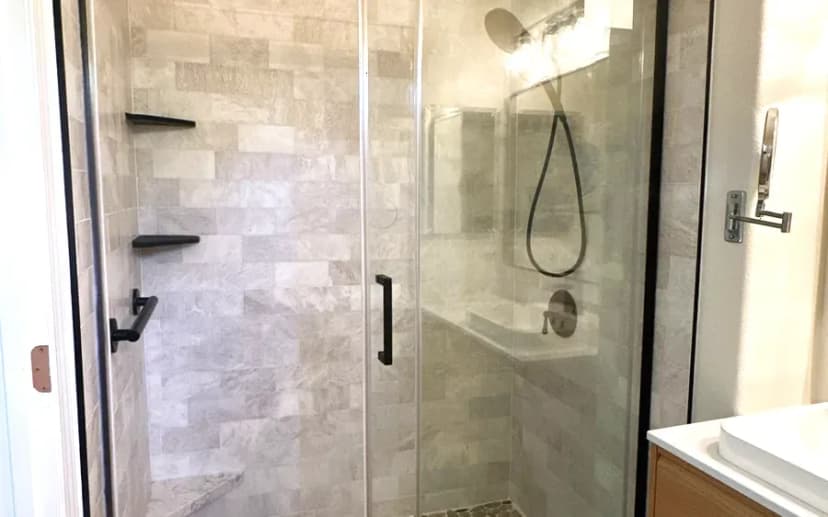
12 Mid-Century Modern Bathroom Ideas for Sacramento Ranch Homes
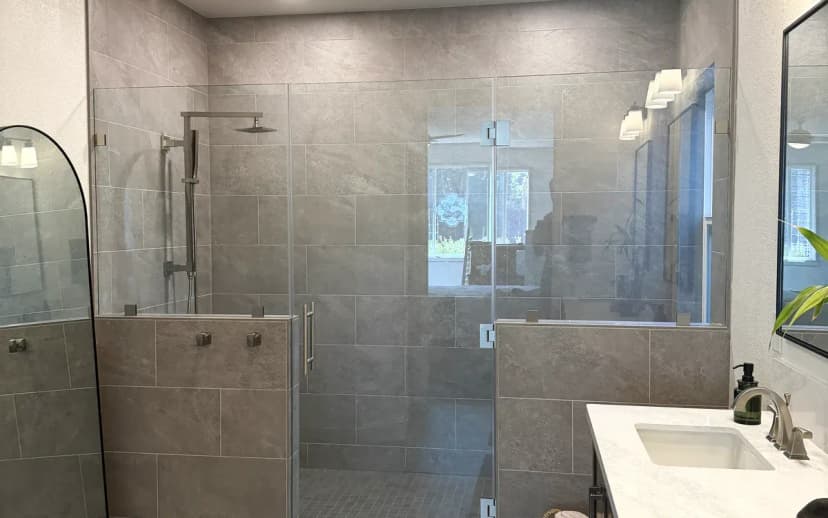
1950s Ranch Home Bathroom Remodel in Sacramento: Slab, Pipes & Modern Code (2026)
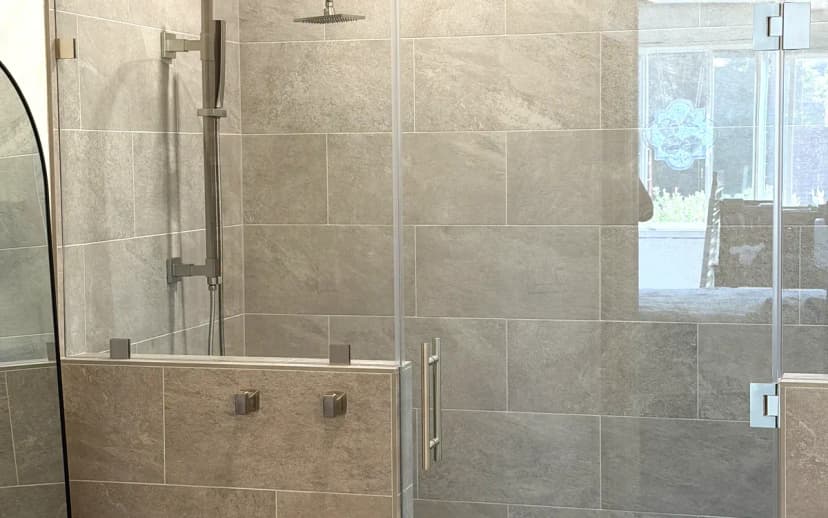
Sacramento ADU Bathroom Addition Guide: Requirements, Costs & Permits (2026)
Get a Free Estimate
Call us at (916) 907-8782 or fill out our contact form.