Auburn Bathroom Remodel Timeline: What to Expect Week by Week
A realistic, detailed timeline for bathroom remodeling in Auburn — from first consultation through final walkthrough, with foothill-specific scheduling factors
Looking for bathroom remodeling in Auburn? View our Auburn service area page →
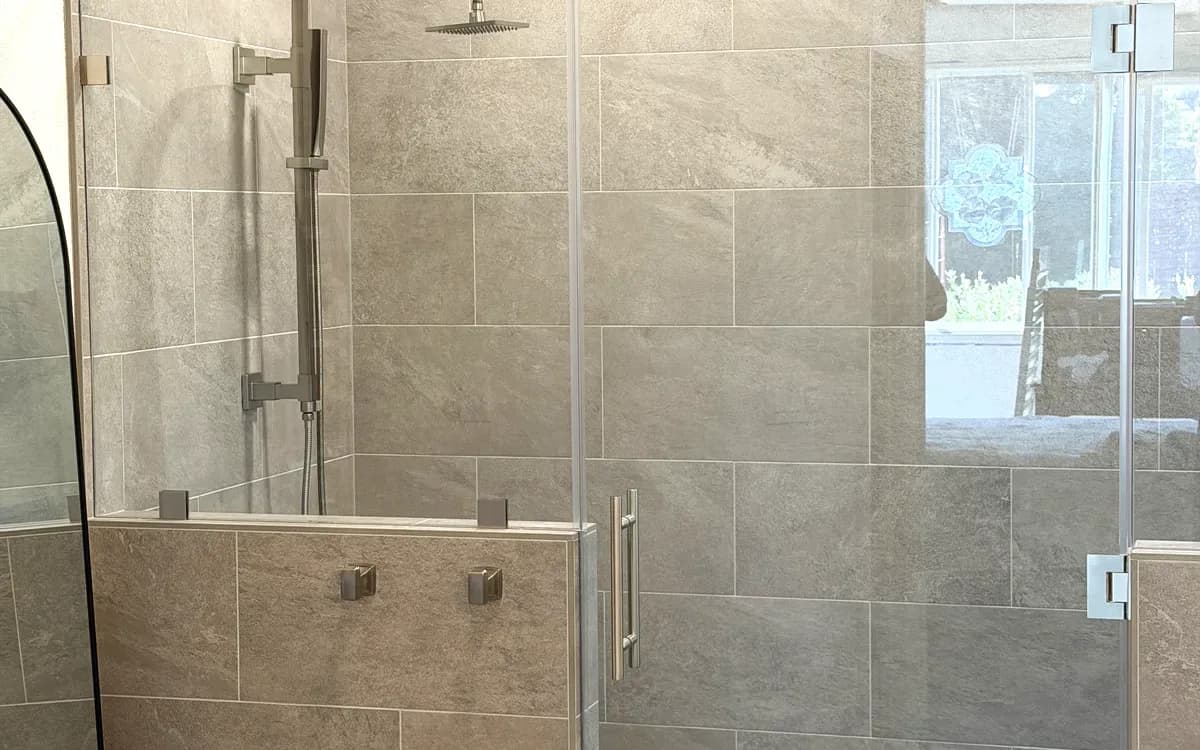
An Auburn bathroom mid-remodel — understanding the timeline helps you plan for the disruption
Timeline Overview by Project Type
Before diving into the week-by-week detail, here's the high-level timeline for each type of bathroom remodel in Auburn. These timelines represent active construction days — the time from demolition to final walkthrough — and assume materials are pre-ordered and permits are already approved.
| Project Type | Construction Time | Total Elapsed Time* |
|---|---|---|
| Shower Remodel Only | 2 - 3 weeks | 6 - 8 weeks |
| Full Bathroom Remodel | 3 - 5 weeks | 8 - 12 weeks |
| Master Bathroom Remodel | 5 - 8 weeks | 10 - 14 weeks |
| Small Bathroom Remodel | 2 - 4 weeks | 6 - 10 weeks |
| Tub-to-Shower Conversion | 2 - 3 weeks | 6 - 9 weeks |
*Total elapsed time includes design consultation, material selection, permit approval, and construction.
Pre-Construction: Design, Materials & Permits (3-6 Weeks)
Week 1-2: Design Consultation and Material Selection
The process begins with an in-home consultation where we measure the bathroom, assess the existing structure (wall composition, plumbing locations, electrical capacity), discuss your design goals, and establish a budget. For Auburn homes, this assessment is particularly important in older properties where behind-the-wall conditions may affect scope and cost.
Material selection happens concurrently — choosing tile, vanity, fixtures, countertop, glass type, and accessories. We can guide selections at local showrooms and supply houses, or work from samples and catalogs. Material lead times vary: most in-stock tile and fixtures are available within 1 to 2 weeks, while custom orders (specialty tile, custom vanities, specific fixture finishes) may require 3 to 6 weeks. Ordering materials immediately after design approval is critical for keeping the timeline on track.
Week 2-4: Permit Application and Approval
Auburn falls under Placer County jurisdiction for building permits. We submit permit applications through the Placer County Community Development Resource Agency (CDRA). Standard residential bathroom remodel permits are processed in 7 to 14 business days. During this waiting period, materials are being ordered and manufactured, so the permit timeline overlaps with procurement rather than extending the schedule.
Placer County permit fees for bathroom remodels range from $400 to $900 depending on project scope. The application requires a scope of work description, a basic floor plan showing proposed changes, and contractor license information. For more details on Auburn bathroom permits, see our dedicated guide.
Pro Tip: Overlap Pre-Construction Activities
The most common timeline mistake homeowners make is treating pre-construction steps as sequential. Design, material ordering, and permits can all happen simultaneously. An experienced contractor starts the permit application the same week materials are ordered and design is finalized, allowing all three tracks to progress in parallel. This overlap can save 2 to 3 weeks on total elapsed time.
Week 1: Demolition and Discovery (Days 1-5)
Days 1-2: Controlled Demolition
The bathroom is stripped to studs and subfloor. Existing tile, vanity, toilet, tub or shower, drywall (in wet areas), and flooring are removed. In Auburn's older homes, demolition is performed carefully to avoid damaging plumbing and electrical that will be retained. All debris is removed from the home and hauled away — we use enclosed trailers rather than leaving dumpsters in driveways (particularly important for Auburn properties with HOA restrictions or narrow access).
Days 2-3: Discovery Assessment
This is the most important phase for Auburn's older homes. With walls and floors exposed, we assess conditions that were invisible before demolition: the condition of supply lines (galvanized steel in pre-1970 homes often shows significant corrosion), drain line material and condition (cast-iron drains may need replacement), subfloor integrity (moisture damage is common around tub and toilet areas), wall framing condition, electrical wiring type and capacity, and ventilation ducting.
In Auburn homes built before 1970 — common throughout Old Town, the Historic District, and along Lincoln Way — the probability of discovering at least one issue that requires additional work is approximately 75 percent based on our project history. This is why we always include contingency days in our Auburn timelines and recommend that homeowners budget 10 to 15 percent contingency in their remodel budget.
Days 4-5: Subfloor Repair/Preparation
If subfloor damage is discovered, repairs happen immediately. Damaged sections are cut out and replaced with new plywood. If the entire subfloor is thin or uneven (common in pre-1960 homes), a new plywood overlay is installed to create the flat, solid surface required for tile installation. Subfloor preparation is non-negotiable — tile installed on a weak or uneven subfloor will crack, grout will fail, and the entire installation will be compromised.
Week 2: Plumbing and Electrical Rough-In (Days 6-10)
Days 6-8: Plumbing Rough-In
All supply lines and drain connections are installed or modified to accommodate the new layout. In Auburn homes with galvanized supply lines, this phase includes replacing the in-wall sections with PEX (cross-linked polyethylene). In homes with cast-iron drains, the old drain lines are cut and replaced with PVC connections. The new shower valve is installed in the wall, the drain is positioned for the new shower or tub configuration, and the toilet flange is set.
Days 8-9: Electrical Rough-In
Electrical work includes installing or repositioning light fixture boxes, GFCI outlet locations, exhaust fan wiring, and any heated floor connections. In older Auburn homes, this phase often includes adding a dedicated bathroom circuit to the electrical panel — older homes may share circuits between the bathroom and other rooms, which doesn't meet current code requirements.
Days 9-10: Rough-In Inspection
Placer County inspects all plumbing and electrical rough-in work before walls can be closed. The inspection verifies that plumbing connections are watertight and properly vented, electrical circuits are correctly wired and grounded, and all work meets current building code. This inspection must pass before proceeding — failed inspections require corrections and re-inspection, typically adding 2 to 3 days to the timeline.
Week 3: Waterproofing and Tile Prep (Days 11-15)
Days 11-12: Backer Board and Wall Preparation
Cement backer board is installed on all wall surfaces that will receive tile — shower walls, tub surround walls, and floor areas. Backer board provides a stable, moisture-resistant substrate that prevents tile from cracking and protects the wall framing from water exposure. All seams are taped and mudded with alkaline-resistant mesh tape.
Days 12-14: Waterproofing
The shower area receives a comprehensive waterproofing membrane — either sheet membrane (Schluter KERDI) or liquid-applied membrane (Laticrete Hydro Ban). This waterproofing extends up all shower walls to a minimum of 6 inches above the shower head, across the entire shower floor, and around all penetrations (valve, shower head, drain). For curbless shower installations, the waterproofing extends beyond the shower boundary onto the bathroom floor.
Day 15: Shower Pan and Slope
The shower floor is formed with a pre-sloped mortar bed or pre-formed pan that directs water toward the drain. Minimum slope is 1/4 inch per foot. The drain is tested for watertight integrity before proceeding — this flood test typically runs 24 hours to verify that no water escapes through the drain connection or waterproofing membrane.
Week 4: Tile Installation (Days 16-22)
Days 16-18: Shower Wall Tile
Tile installation begins with the shower walls — the most visible and technically demanding area. Large-format tiles require careful layout planning to minimize cuts and ensure symmetry. Niches and accent features are integrated during wall tile installation. In Auburn's climate, thinset mortar application must account for temperature and humidity — our installers adjust technique based on season. For more on tile selection for Auburn's conditions, see our foothill tile guide.
Days 19-20: Shower Floor and Bathroom Floor Tile
Shower floor tile (typically small mosaic) is installed over the pre-sloped bed, followed by bathroom floor tile. Consistent leveling is critical, especially for curbless shower installations where the floor must transition seamlessly between bathroom and shower zones.
Days 21-22: Grouting
All tile joints are grouted, cleaned, and allowed to cure. In Auburn's conditions, grout cure time varies by season — 24 to 48 hours in moderate weather, potentially longer in cold winter conditions. Grout sealer is applied after full cure for cement grout installations (epoxy grout requires no sealing).
Week 5: Fixtures, Glass & Finishing (Days 23-28+)
Days 23-24: Vanity, Toilet, and Fixture Installation
The vanity is set and connected, the countertop and sink are installed, the toilet is set, and all plumbing connections are made. Shower fixtures (valve trim, shower head, handheld wand) are installed. Electrical fixtures (lights, exhaust fan, mirror) are connected. For vanity selection guidance, see our dedicated guide.
Days 24-26: Glass Enclosure
Frameless glass enclosures are measured after tile is complete (measurements taken on tile surface for precision fit). Glass fabrication takes 5 to 10 business days from measurement — this lead time is typically overlapped with fixture installation and other finishing work. Once fabricated, glass installation takes half a day to a full day depending on configuration.
Days 26-28: Paint, Caulk, Accessories, and Final Details
Touch-up paint on walls and ceiling, silicone caulk at all tile-to-fixture junctions, towel bars, toilet paper holders, mirrors (if not previously installed), robe hooks, and shower accessories. All hardware is cleaned and polished. The bathroom receives a thorough cleaning.
Final Day: Inspection and Walkthrough
Placer County final inspection confirms all work meets code. A detailed walkthrough with the homeowner verifies that every element meets expectations. Any punch-list items are addressed immediately or scheduled for completion within the following week.
Master Bathroom Extended Timeline: 5-8 Weeks
A master bathroom remodel follows the same phases but with extended timelines at each stage. The larger scope — separate shower and tub, dual vanity, more tile area, additional fixtures — adds time at every phase. A separate freestanding tub requires its own plumbing connections and floor reinforcement. A dual vanity doubles the plumbing connections. A larger shower with multiple heads requires more complex plumbing and more tile area.
For Auburn master baths in older homes, the discovery phase is typically more extensive because larger bathrooms expose more wall and floor area to inspection. Master baths in 1960s-1980s ranch homes often reveal multiple plumbing and electrical issues that smaller secondary baths don't encounter simply because there's more infrastructure behind the walls.
Auburn-Specific Factors That Affect Timeline
- Older home discovery issues: Pre-1970 homes in Old Town, the Historic District, and along Lincoln Way have a 75%+ probability of behind-the-wall discoveries that add 2 to 5 days. Galvanized pipes, cast-iron drains, inadequate venting, subfloor damage, and outdated electrical are all common.
- Placer County permit timing: Allow 7 to 14 business days for permit processing. During high-volume periods (spring and early summer), processing may extend to 21 business days.
- Foothill contractor scheduling: Auburn-area contractors are busiest from May through September. Summer project starts may face 2 to 4 week scheduling delays compared to spring or fall start dates.
- Material delivery to foothills: Some specialty materials require delivery from Sacramento-area suppliers. Delivery to Auburn addresses may add 1 to 3 days compared to valley floor delivery timelines, particularly for items requiring specialized freight.
- Access challenges: Properties in Auburn Lake Trails, Christian Valley, and Meadow Vista may have steep driveways, narrow roads, or gated access that affects material delivery and crew arrival logistics.
Seasonal Considerations for Auburn Bathroom Remodels
Spring (March - May): Optimal Season
Moderate temperatures (55 to 80°F) provide ideal conditions for thinset cure, grout cure, and paint application. Contractor availability is good — better than summer but booking up as the season progresses. Start scheduling spring projects in January or February to secure your preferred start date.
Summer (June - August): Peak Demand
Auburn's busiest construction season. Temperatures exceeding 100°F can affect adhesive and grout cure times, requiring experienced installers who adjust techniques. Contractor schedules are fully booked — expect 3 to 6 week lead times for project starts. The advantage: longest daylight hours allow maximum productivity on work days.
Fall (September - November): Optimal Season
Temperatures moderate to ideal construction conditions. Contractor availability improves as summer projects complete. Material pricing may be slightly better as suppliers reduce seasonal inventory. This is our recommended season for Auburn homeowners with flexible scheduling.
Winter (December - February): Manageable with Planning
Cold mornings (below freezing is common) can delay early-morning work starts. Rain doesn't directly affect interior bathroom work but can complicate material deliveries on Auburn's foothill roads. Cure times for adhesive and grout extend in cold conditions. Holiday schedules reduce available work days in December. However, winter offers the best contractor availability and potentially negotiable pricing.
How to Prevent Common Delays
- Finalize all material selections before construction begins. Mid-project material changes are the number one cause of preventable delays. Choose all tile, fixtures, vanity, countertop, and accessories during the design phase and order everything before demolition day.
- Budget for contingency. Both financial contingency (10 to 15 percent) and timeline contingency (3 to 5 days) for older Auburn homes. This planning prevents panic-driven decisions when discoveries occur.
- Make decisions quickly. When discoveries occur or design adjustments are needed, delays compound if decisions take days rather than hours. Be available and prepared to make timely decisions throughout the project.
- Choose a local contractor familiar with Auburn. A contractor who knows Auburn's housing stock, Placer County requirements, and foothill logistics avoids the learning curve delays that out-of-area contractors face.
- Schedule during shoulder seasons. March through May and September through November offer the best combination of weather, contractor availability, and material supply chain reliability.
Frequently Asked Questions
Plan Your Auburn Bathroom Remodel Timeline
Understanding the timeline is the first step to a stress-free remodel. Contact Oakwood Remodeling Group for a free consultation where we'll assess your bathroom, discuss your goals, and provide a realistic timeline specific to your Auburn home.
Call us at (916) 907-8782 or request your free estimate online.
Related Reading
Auburn Bathroom Remodel Cost 2026
Complete pricing guide for foothill bathrooms.
Auburn Bathroom Permits Guide
Placer County permit requirements and process.
Auburn Tub-to-Shower Conversion
Timeline and process for tub conversions.
Auburn Master Bathroom Remodel
Master bath planning and design guide.
Bathroom Remodeling Services
Our complete bathroom renovation services.
Get Your Free Estimate
Schedule your consultation today
Related Articles
Do You Need a Permit for a Bathroom Remodel in Auburn, CA? Your Complete 2026 Guide

Bathroom Remodel Financing: The Complete Guide to Paying for Your Renovation

HELOC vs. Home Equity Loan for a Bathroom Remodel: Which Saves You More?
Get a Free Estimate
Call us at (916) 907-8782 or fill out our contact form.