Small Bathroom Storage Solutions: Where to Put Everything in Under 50 Sq Ft
Storage is the silent crisis in small bathrooms. You need towels, toiletries, cleaning supplies, and backup essentials, but you have barely enough room for the fixtures themselves. Here is how to engineer storage into every available surface without sacrificing a single inch of floor space.
Looking for bathroom remodeling in Sacramento? View our Sacramento service area page →
Table of Contents
- 1. The Small Bathroom Storage Mindset
- 2. Recessed Medicine Cabinets
- 3. Shower Niches: The Built-In Essential
- 4. Over-Toilet Storage That Works
- 5. Vanity Interior Organization
- 6. Towel Storage Solutions
- 7. Hidden Storage Strategies
- 8. Vertical Thinking: Using Wall Height
- 9. What Storage Upgrades Cost
- 10. Frequently Asked Questions

The average American uses 15 to 20 personal care products daily. Add towels, cleaning supplies, toilet paper, a hair dryer, and backup toiletries, and you are looking at a small pharmacy of items that need a home. In a spacious master bathroom, storage is a mild organizational challenge. In a 40 to 50-square-foot secondary bathroom, storage is an engineering problem.
The difference between a small bathroom that feels organized and one that feels chaotic comes down to design intent. Builder-grade small bathrooms in Sacramento-area homes typically include one small medicine cabinet, a vanity with a single door, and a towel bar. That is woefully inadequate for modern bathroom needs. A well-designed small bathroom remodel can triple the available storage without adding a single square foot of floor space. Here is how.
The Small Bathroom Storage Mindset
Before adding storage, audit what you actually need in the bathroom. The most common storage mistake in small bathrooms is trying to store everything you own in a space that cannot accommodate it. The solution has two parts: reduce what you store in the bathroom and maximize where you store what remains.
Keep in the bathroom: Daily-use toiletries (current bottles only), one towel set per regular user, hand soap, one backup roll of toilet paper, daily grooming tools (toothbrush, razor, hair brush), and one or two cleaning products.
Move out of the bathroom: Bulk supplies, extra towels beyond daily use, hair tools used less than weekly, seasonal products (sunscreen in winter), expired products (check those medicine cabinets), and anything you have not used in 30 days. A hallway linen closet or bedroom drawer is more appropriate for these items.
This edit typically reduces what needs to be stored in the bathroom by 40 to 50 percent. Now you are designing storage for a realistic inventory rather than trying to fit a warehouse into a closet.
Recessed Medicine Cabinets
A recessed medicine cabinet is the single most important storage element in a small bathroom. Unlike a surface-mounted cabinet that projects 4 to 5 inches from the wall, a recessed cabinet sits within the wall cavity, providing storage without consuming any room volume.
Sizing matters. Standard recessed medicine cabinets fit between two wall studs (14.5 inches wide interior). But you can go bigger. A double-stud-bay cabinet (30 to 36 inches wide) requires removing one stud and installing a header, but the additional storage is substantial. During a full remodel when walls are already open, this is a minor modification.
Depth considerations. Standard recessed cabinets are 3.5 to 4 inches deep (the depth of a 2x4 wall cavity). Some cabinets designed for 2x6 walls provide 5.5 inches of depth. Even at 3.5 inches, a recessed cabinet holds toothpaste, medications, skincare products, razors, and small toiletries comfortably.
Mirror integration. The best recessed medicine cabinets for small bathrooms have mirrored doors that serve as the vanity mirror. This eliminates the need for a separate mirror, saving wall space and providing a dual-purpose element. Look for cabinets with LED-lit interiors and integrated electrical outlets for electric toothbrushes or razors.
Shower Niches: The Built-In Essential
Shower niches are non-negotiable in a well-designed small bathroom. They replace suction-cup caddies, hanging organizers, and corner shelves that clutter the shower and collect soap scum. A built-in niche is tiled to match the shower walls, creating a seamless, integrated storage solution.
Standard niche sizing. A 12x24-inch niche fits between two wall studs and provides ample space for four to six standard-size bottles. Place it at chest height (48 to 54 inches from the shower floor) for comfortable reach. A second smaller niche (12x12 inches) lower on the wall (24 to 30 inches) is ideal for bar soap, a foot scrub brush, or shaving supplies.
Niche shelving. Adding a glass or tile shelf within the niche doubles its usable storage. A single 12x24 niche with one center shelf provides upper and lower compartments — enough for a couple's daily shower essentials. The shelf should be slightly tilted (1/16 inch slope) to prevent water pooling.
Waterproofing is critical. Every shower niche must be fully waterproofed before tiling. We use pre-formed waterproof niche inserts (Schluter Kerdi Board or similar) that integrate with the shower's waterproofing membrane. Proper waterproofing adds $100 to $200 per niche but prevents thousands in potential water damage.
Over-Toilet Storage That Works
The wall above the toilet is typically 24 to 30 inches wide and extends 3 to 4 feet to the ceiling. That is 6 to 10 square feet of vertical wall space that most small bathrooms waste entirely. Used wisely, this area can store a significant amount without impacting floor space.
Recessed cabinet above the toilet. The best option during a full remodel. A recessed cabinet (similar to a medicine cabinet) installed above the toilet provides hidden storage for backup toiletries, medications, and cleaning supplies. When closed, it sits flush with the wall — invisible, clean, and clutter-free. Cost: $300 to $600 installed during a remodel.
Floating shelves. Two or three floating shelves above the toilet provide open storage for folded hand towels, decorative items, and daily-access products. The key is discipline — floating shelves must be kept organized or they create visual clutter that makes the bathroom feel smaller. Limit items to three or four per shelf.
What to avoid. Freestanding over-toilet etageres (those metal or wood freestanding units) are the enemy of small bathroom design. They project 10 to 12 inches from the wall, create visual clutter, collect dust on every surface, and make the bathroom feel smaller. If you are investing in a small bathroom remodel, replace these with built-in alternatives.
Vanity Interior Organization
A small vanity can hold far more than you think if the interior is properly organized. The difference between a chaotic vanity and a well-organized one is not size — it is internal structure.
Drawers over doors. Drawers are fundamentally more efficient than cabinet doors in small vanities. With a door, items in the back are hard to reach and easy to forget. With full-extension drawers, every item is visible and accessible. A 24-inch vanity with two stacked drawers stores more usable items than a 30-inch vanity with a single door.
Drawer organizers. Bamboo or acrylic drawer dividers transform a generic drawer into a purpose-built storage system. The top drawer holds daily items: toothbrush, toothpaste, skincare, makeup essentials. The bottom drawer stores larger items: hair dryer, backup products, cleaning supplies. Custom dividers ($20 to $50 per drawer) are a tiny investment with massive organizational impact.
Under-sink organizers. If your vanity has traditional doors, add a pull-out organizer or U-shaped shelf that works around the plumbing. These accessories ($30 to $80) double the usable space inside a cabinet by creating multiple levels and pulling items forward for easy access.
Towel Storage Solutions
Towels are one of the biggest storage challenges in small bathrooms. A single bath towel takes up roughly the same volume as a small throw pillow. In a 40 to 50-square-foot bathroom, traditional towel bars consume precious wall space, and you rarely have room for more than one.
Towel hooks instead of bars. A single towel hook uses 3x3 inches of wall space. A towel bar uses 24 to 30 inches. In a small bathroom, four towel hooks provide storage for four towels in less space than one towel bar stores one. Mount hooks behind the door, on the side of the vanity, or in a vertical row beside the shower.
Over-door towel racks. The back of the bathroom door is an overlooked storage surface. A low-profile over-door rack holds two to three towels without impacting the room when the door is open. This works best with pocket doors or doors that open outward.
Heated towel racks. A wall-mounted heated towel rack doubles as a towel dryer and warmer. Models designed for small bathrooms project only 4 to 6 inches from the wall and hold two to three towels. The drying function means towels can be reused longer between washes, reducing the number of towels you need to store. A hardwired heated towel rack costs $300 to $600 installed.
Hidden Storage Strategies
The best storage in a small bathroom is storage you cannot see. Hidden storage keeps surfaces clean and the room feeling open while providing ample space for necessities.
Recessed toilet paper holder. A recessed TP holder sits within the wall, eliminating the 3 to 4-inch projection of a surface-mounted holder. In a narrow bathroom or galley layout, those inches of clearance matter. Cost: $50 to $150 installed during a remodel.
Mirror with hidden storage. Some vanity mirrors feature hidden compartments behind a sliding or hinged panel. These combine the function of a mirror and medicine cabinet with a sleeker profile than a traditional medicine cabinet. Premium options include built-in LED lighting, defogging, and USB charging.
Tilt-out hamper. Some vanities include a tilt-out compartment for a small laundry hamper. This hides dirty towels and washcloths inside the vanity instead of piling them on the floor or in a visible basket.
Vertical Thinking: Using Wall Height
Small bathrooms typically have 8-foot ceilings — the same ceiling height as large bathrooms. The difference is floor area, not volume. By thinking vertically, you access storage potential that floor-focused design misses entirely.
Tile to the ceiling. When shower tile extends to the ceiling, it creates a visual column of height that makes the room feel taller and more spacious. It also allows shower niches to be placed higher on the wall without looking awkward.
High shelving. A single floating shelf installed 12 inches below the ceiling provides storage for items used less frequently — candles, decorative items, extra toilet paper. At this height, the shelf does not impede movement or feel cluttered because it is above the natural sight line.
Tall, narrow cabinets. A 12-inch-wide, floor-to-ceiling storage tower can fit beside a vanity or in a dead corner. This single piece provides more linear shelf space than all other storage solutions combined. Look for towers with a mix of open shelves (for daily items) and closed compartments (for supplies). These are particularly effective alongside the smart layout strategies covered in our visual tricks for small bathrooms guide.
What Storage Upgrades Cost
Built-in storage is most affordable when added during a full bathroom remodel because the walls are already open. Here are typical costs for the Sacramento region in 2026:
- Recessed medicine cabinet (single bay): $300 - $600 installed
- Recessed medicine cabinet (double bay, 30"+): $500 - $900 installed
- Shower niche (12x24): $200 - $500 each (including waterproofing and tile)
- Recessed toilet paper holder: $50 - $150 installed
- Recessed cabinet above toilet: $300 - $600 installed
- Floating shelves (per shelf): $75 - $200 installed
- Heated towel rack (hardwired): $300 - $600 installed
- Vanity drawer organizers: $20 - $50 per drawer
A comprehensive storage package (recessed medicine cabinet, two shower niches, recessed TP holder, over-toilet cabinet, and two floating shelves) adds $1,200 to $2,800 to a remodel — typically 8 to 15 percent of a small bathroom renovation budget. This is one of the highest-ROI investments you can make because it directly improves daily functionality.
Frequently Asked Questions
Need Smart Storage in Your Small Bathroom?
Oakwood Remodeling Group designs storage-optimized small bathrooms throughout the Sacramento region. Every remodel starts with a storage audit and custom plan that addresses your specific needs. We engineer built-in solutions during construction so nothing is an afterthought. Fixed pricing, detailed scope, and 3-year warranty on every project.
Related Reading
Small Bathroom Remodel: The Complete Guide
Comprehensive guide to maximizing bathrooms under 60 sq ft.
Corner Shower Ideas for Small Bathrooms
Space-saving shower configurations.
Galley Bathroom Layout Guide
Optimizing long, narrow bathroom spaces.
12 Visual Tricks for Small Bathrooms
Design strategies that expand perceived space.
Small Bathroom Remodel Services
Our compact bathroom renovation services.
Get Your Free Estimate
Schedule your consultation today
Related Articles

Galley Bathroom Layout: How to Maximize a Long, Narrow Space

Corner Shower Ideas for Small Bathrooms: Neo-Angle, Square & Curved Options
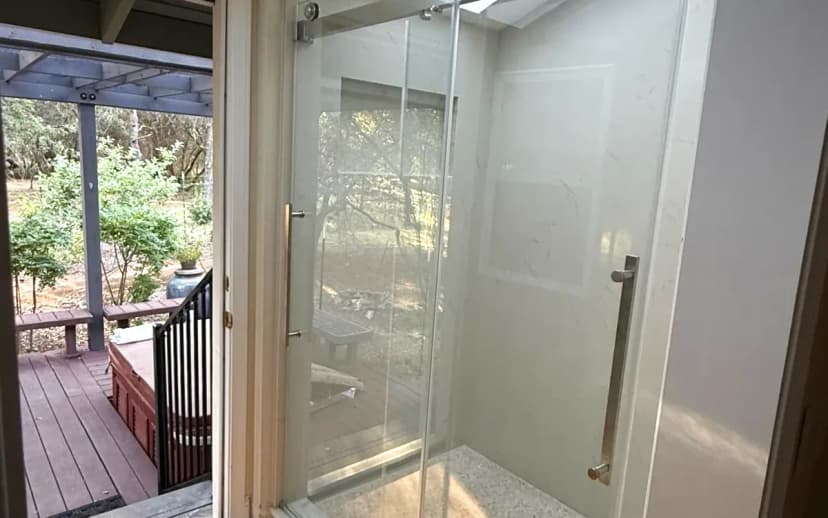
Auburn Small Bathroom Remodel: Space-Saving Solutions for Compact Foothill Homes
Get a Free Estimate
Call us at (916) 907-8782 or fill out our contact form.