Lincoln Bathroom Tile Guide: Best Placer County Picks
Hard water, temperature swings, and daily moisture make tile selection more than a design decision. Here is what performs best in Lincoln bathrooms and what to avoid.
Looking for bathroom remodeling in Lincoln? View our Lincoln service area page →
Table of Contents
- 1. Why Tile Selection Matters in Lincoln
- 2. Porcelain Tile: The Top Performer
- 3. Ceramic Tile: Budget-Friendly but Limited
- 4. Natural Stone: Beautiful but High-Maintenance
- 5. Hard Water Impact on Bathroom Tile
- 6. Floor Tile Selection for Lincoln Bathrooms
- 7. Shower Wall Tile: What Holds Up Best
- 8. Shower Floor Tile and Slip Resistance
- 9. Grout Selection for Placer County Homes
- 10. Tile Trends That Work in Lincoln Homes
- 11. Tile Cost Breakdown for Lincoln Projects
- 12. Tile Mistakes to Avoid
- 13. Frequently Asked Questions

Why Tile Selection Matters in Lincoln
Choosing bathroom tile in Lincoln is not the same as choosing tile in San Francisco or Los Angeles. Placer County has specific environmental conditions — particularly hard water, wide temperature swings, and low humidity — that affect how different tile materials perform over 10 to 20 years of daily use.
Lincoln's water supply has high mineral content, primarily calcium and magnesium. These minerals leave white deposits on tile surfaces, discolor grout, and penetrate porous materials. A tile that looks pristine in a showroom can look permanently stained within a year if it cannot handle hard water. Temperature extremes — from near-freezing winter mornings to 110-degree summer afternoons — stress tile and grout through expansion and contraction cycles.
As Lincoln's bathroom remodeling specialists, we have installed thousands of square feet of tile in Placer County bathrooms — including custom tile work as part of our shower remodeling services. This guide shares what we have learned about which materials perform best — and which ones create maintenance headaches — in Lincoln's specific conditions. For a broader material comparison, see our porcelain vs. natural stone guide for NorCal.
Porcelain Tile: The Top Performer
Porcelain tile is our top recommendation for Lincoln bathrooms, and the data supports it. Porcelain is fired at higher temperatures than ceramic (2,200 to 2,500 degrees Fahrenheit), creating a denser, harder, less porous tile. Its water absorption rate is under 0.5%, classified as "impervious" by the ASTM International standard C373.
What this means for Lincoln homeowners:
- Hard water resistance: Mineral deposits sit on the tile surface rather than absorbing into it. A damp cloth or mild acid cleaner removes them easily. The tile itself does not discolor.
- Temperature stability: Porcelain's low porosity means minimal water absorption, so freeze-thaw cycles do not crack the tile. This matters for exterior walls and bathrooms on unheated exterior walls.
- Durability: Porcelain rates 5 to 7 on the Mohs hardness scale (comparable to steel). It resists scratching, chipping, and wear from daily traffic.
- Design range: Modern porcelain tile can replicate the look of marble, wood, concrete, metal, and natural stone — often convincingly enough that you cannot tell the difference by sight alone.
Ceramic Tile: Budget-Friendly but Limited
Ceramic tile is fired at lower temperatures than porcelain (1,800 to 2,000 degrees Fahrenheit) and has a higher water absorption rate — typically 3 to 7%, classified as "non-vitreous" to "semi-vitreous." It costs 30 to 50% less per square foot than porcelain, which makes it attractive for budget-conscious projects.
The trade-offs for Lincoln bathrooms:
- Water absorption: Ceramic absorbs more water than porcelain, which means hard water minerals penetrate the tile body. Over time, this can cause permanent staining that cannot be cleaned from the surface.
- Durability: Ceramic is softer and more prone to chipping, especially on edges and at cut lines. In high-traffic areas, the glaze layer can wear through, exposing the clay body beneath.
- Where it works: Ceramic is acceptable for low-splash vanity backsplashes, powder room walls, and decorative accents where direct water contact is minimal. It should not be used on shower floors, shower walls, or bathroom floors where standing water is common.
Our recommendation for Lincoln homes: if budget is the primary constraint, use ceramic on dry walls and porcelain on all wet surfaces. The per-square-foot savings on dry walls offset the higher cost of porcelain where it matters most.
Natural Stone: Beautiful but High-Maintenance
Natural stone — marble, travertine, slate, and granite — provides a look that no manufactured tile can fully replicate. Each piece is unique, with natural variation in color, veining, and texture. But in Lincoln's hard-water environment, natural stone requires significantly more maintenance than porcelain.
Marble
Marble is calcium carbonate — the same mineral that makes Lincoln's water hard. Paradoxically, this means marble is susceptible to etching from acidic cleaners (vinegar, citrus, many commercial bathroom cleaners) and absorbs hard water minerals into its porous surface. Marble requires sealing every 6 to 12 months and gentle, pH-neutral cleaning products. It works best as an accent — a shower niche, vanity backsplash, or decorative border — rather than a primary shower surface.
Travertine
Travertine has a distinctive warm tone and natural texture that many homeowners love. However, its porous surface absorbs water faster than marble, and the natural pits and voids trap moisture and soap residue. In Lincoln bathrooms, travertine floors require sealing every 6 months and regular cleaning of the natural crevices. We generally recommend porcelain tile that mimics travertine's look — it provides the same aesthetic with a fraction of the maintenance.
Slate
Slate is denser than marble or travertine and handles moisture better. Its naturally textured surface provides excellent slip resistance. However, slate varies significantly in quality — premium slate from reliable quarries performs well, while budget slate can flake, delaminate, and stain. If you choose slate, invest in quality material from a reputable supplier.
Hard Water Impact on Bathroom Tile
Lincoln's water hardness measures approximately 10 to 15 grains per gallon, placing it in the "hard" to "very hard" range. This hard water affects every tile surface in the bathroom — but the impact varies dramatically by material type:
| Material | Hard Water Resistance | Maintenance Required |
|---|---|---|
| Polished porcelain | Excellent | Wipe with damp cloth weekly |
| Matte porcelain | Very good | Clean with mild acid monthly |
| Glazed ceramic | Good (surface only) | Clean weekly, seal grout annually |
| Marble | Poor | Seal every 6-12 months, pH-neutral cleaners only |
| Travertine | Poor | Seal every 6 months, regular pit cleaning |
A whole-house water softener can reduce hard water impact on all tile surfaces. If you do not have a softener, choose materials — particularly polished porcelain — that resist mineral buildup naturally. For a deeper dive, read our bathroom tile and waterproofing material guide.
Floor Tile Selection for Lincoln Bathrooms
Bathroom floor tile in Lincoln needs to balance three priorities: slip resistance when wet, hard water resistance, and visual appeal. Here is what we recommend:
- Size: 12x24-inch or larger. Large tiles reduce grout lines, which means fewer places for mineral deposits and mildew to accumulate. A 12x24 tile has 40% less grout than a 12x12 tile covering the same area.
- Finish: Matte or textured for slip resistance. The DCOF (Dynamic Coefficient of Friction) rating should be 0.42 or higher for wet barefoot surfaces. Check the manufacturer's specification sheet — not all matte tiles meet this threshold.
- Material: Porcelain, always. The bathroom floor sees the most water, the most foot traffic, and the most temperature variation. Porcelain handles all three better than any alternative.
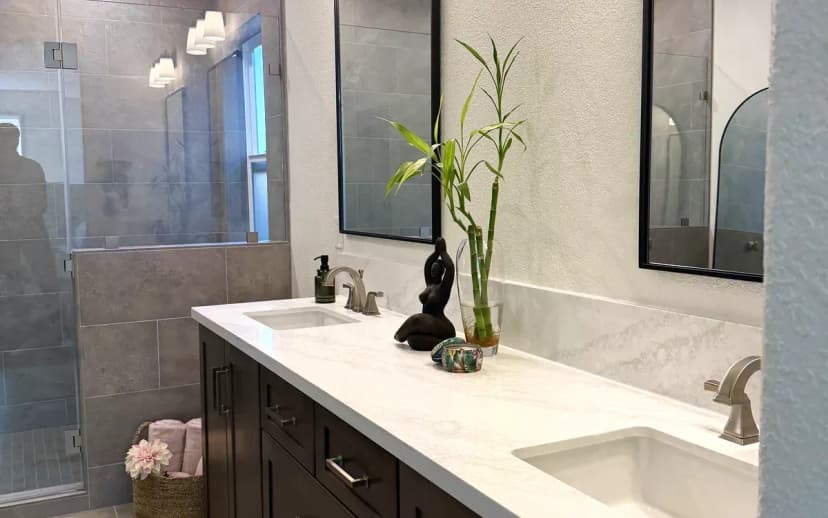
- Color: Medium tones hide hard water spots and hair better than pure white or very dark tile. Gray, warm beige, and stone-look patterns are the most practical choices for Lincoln bathrooms.
Shower Wall Tile: What Holds Up Best
Shower walls receive direct water spray, steam, and cleaning product exposure every day. The tile on these walls needs to handle constant moisture contact and be easy to maintain. Our recommendations for Lincoln shower walls:
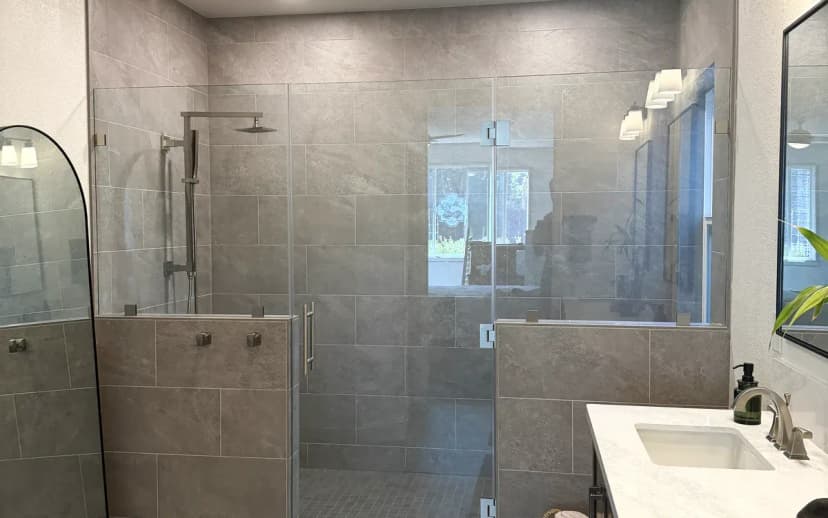
- Large-format porcelain (12x24 or larger): Fewer grout joints mean less grout to maintain. Running the same tile from the bathroom floor up the shower walls creates visual continuity and a seamless look.
- Rectified edges: Tiles with precisely cut edges (rectified) allow for very narrow grout joints — as small as 1/16 inch. This minimizes the grout surface exposed to water and hard water minerals.
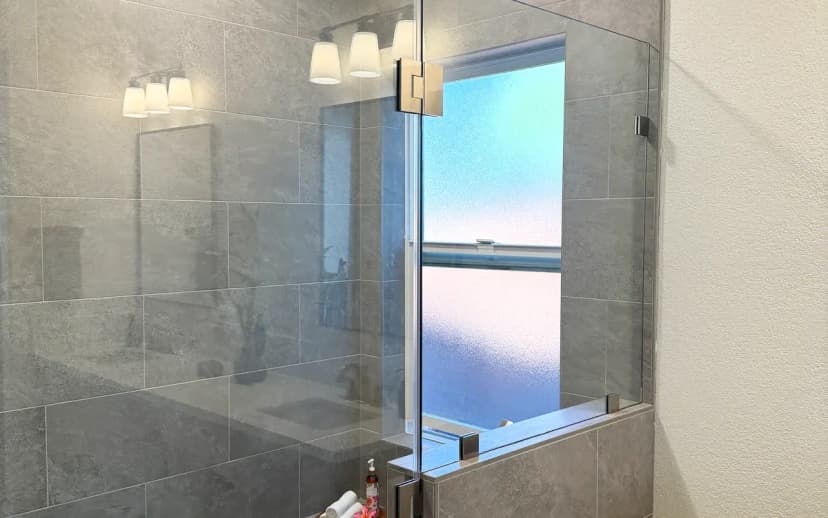
- Tile to the ceiling: Running shower tile all the way to the ceiling eliminates the painted drywall section above the tile line where mold and moisture damage commonly occur. It also makes the shower and bathroom feel taller.
- Accent options: A vertical accent strip of mosaic tile or a tiled shower niche adds visual interest without the maintenance burden of covering large areas with small tiles.
For grout-free alternatives, see our guide on low-maintenance grout-free shower options.
Shower Floor Tile and Slip Resistance
The shower floor has the most demanding requirements of any tile surface in the bathroom. It must be slip-resistant when wet, slope properly to the drain (1/4 inch per foot minimum), handle constant standing water, and accommodate the complex geometry of a drain location. Here is what works:
- Mosaic tile (2x2 inch or smaller): Small tiles flex over the sloped mortar bed, following the grade to the drain. Large tiles cannot conform to this slope without lippage (one edge sitting higher than the adjacent edge). Porcelain mosaic on mesh backing is the standard.
- Hexagonal mosaic: Two-inch hexagonal tiles provide the same slope-following ability as square mosaics but with a distinctive look. The irregular edges create natural texture for grip.
- Linear drain alternative: A linear drain at one edge of the shower allows the floor to slope in one direction only, which means larger tiles (up to 12x24) can be used on the shower floor without lippage. This option adds $500 to $1,200 for the drain assembly but dramatically changes the aesthetic.
Every shower floor tile we install is verified for DCOF compliance — 0.42 or higher for wet conditions. This is not optional in a barefoot wet area.
Grout Selection for Placer County Homes
Grout is the weakest link in any tile installation — and Lincoln's hard water makes grout maintenance even more challenging. The type of grout you choose has more impact on long-term maintenance than the tile itself:
Epoxy Grout
Epoxy grout is a two-part resin system that cures into a non-porous, waterproof, stain-proof surface. It does not absorb hard water minerals, does not grow mold, does not require sealing — ever — and maintains its color for the life of the installation. The trade-off is cost ($3 to $5 per square foot of grout line vs. $1 to $2 for cement grout) and installation difficulty (shorter working time, requires experienced installers). For wet areas in Lincoln homes, epoxy grout is the best long-term investment.
Cement-Based Grout (Sanded and Unsanded)
Traditional cement grout is less expensive and easier to install, but it is porous. In Lincoln's hard water, cement grout absorbs minerals and discolors within 6 to 12 months. It requires sealing after installation and resealing every 6 to 12 months in shower applications. Even with regular sealing, cement grout in a Lincoln shower will eventually stain and require professional cleaning or replacement.
Our Recommendation
Use epoxy grout in all wet areas (showers, tub surrounds, bathroom floors). Use cement-based grout on dry walls where hard water contact is minimal and cost savings are worthwhile. Match grout color as closely to the tile as possible — this hides discoloration between professional cleanings and creates a more unified surface appearance.
Tile Trends That Work in Lincoln Homes
Not every tile trend makes sense for Lincoln's climate and water conditions. Here is which current trends hold up well and which ones we recommend avoiding:
- Wood-look porcelain (recommended): Porcelain planks that mimic hardwood provide warmth and character while handling moisture and hard water perfectly. Available in 6x24 and 8x48-inch formats.
- Concrete-look porcelain (recommended): Matte-finish porcelain in gray tones that replicate polished concrete. Hides hard water spots well and provides excellent slip resistance.
- Large-format marble-look porcelain (recommended): The look of marble without the maintenance. Available in 24x48 and even 48x48-inch formats with through-body veining.
- Zellige-style tile (use with caution): Handmade-look tiles with irregular surfaces and color variation. Beautiful but the uneven surfaces trap water and minerals, requiring more cleaning in hard water areas.
- Natural penny tile (avoid in showers): Small round tiles create extensive grout lines that are nearly impossible to keep clean in Lincoln's hard water. Use porcelain penny tile if you must have the look.
For more tile guidance specific to the area, see our Newcastle bathroom tile guide — Newcastle shares Lincoln's hard water and climate conditions.
Tile Cost Breakdown for Lincoln Projects
Tile costs vary significantly based on material, size, and pattern complexity. Here are realistic price ranges for Lincoln bathroom projects:
| Component | Material Cost/SF | Installation Cost/SF |
|---|---|---|
| Standard porcelain (12x24) | $4 – $8 | $12 – $18 |
| Premium porcelain (24x48) | $8 – $15 | $15 – $22 |
| Mosaic porcelain (2x2) | $10 – $20 | $18 – $25 |
| Natural marble | $12 – $30 | $15 – $25 |
| Ceramic tile (budget) | $2 – $5 | $10 – $15 |
A typical Lincoln bathroom (50 square feet of floor, 80 to 120 square feet of shower and wall tile) costs $4,000 to $10,000 for complete tile installation including materials, thin-set, grout, backer board, and labor. Premium materials and complex patterns push the upper range higher. Add $1,200 to $2,500 for waterproofing beneath the tile (see our tile and waterproofing guide).
Tile Mistakes to Avoid
After installing tile in hundreds of Lincoln bathrooms, we see the same mistakes create the same problems. Avoid these:
- Choosing polished tile for shower floors: Polished tile is dangerously slippery when wet, regardless of how good it looks. Shower floors need matte or textured tile with a DCOF rating of 0.42 or higher.
- Using cement grout in showers without sealing: Unsealed cement grout in a Lincoln shower will show hard water staining within weeks and grow mold within months. Either use epoxy grout or commit to sealing cement grout every 6 months.
- Selecting natural stone for the primary shower surface: Marble and travertine in a Lincoln shower require constant maintenance. Use them as accents, not as the main event.
- Ignoring tile size in small bathrooms: Small tile (4x4, 2x2 mosaic on large walls) makes a small bathroom feel smaller because of the visual busyness. Use large-format tile to create a cleaner, more open feel.
- Forgetting about the substrate: The best tile in the world will fail if it is installed on the wrong substrate. Cement board or foam board with proper waterproofing — nothing else is acceptable in wet areas.
Frequently Asked Questions
Ready to Choose Tile for Your Lincoln Bathroom?
Oakwood Remodeling Group helps Lincoln homeowners select tile that looks great and performs in Placer County's hard water and climate conditions. We source from reputable suppliers, install with proper waterproofing underneath, and use grout systems that handle what Lincoln's water throws at them. Every project includes a detailed scope, fixed pricing, and a timeline you can count on.
Related Reading
Bathroom Remodeling in Lincoln, CA
Our full service area page for Lincoln homeowners.
Porcelain vs. Natural Stone Tile in NorCal
Detailed material comparison for the region.
Bathroom Tile & Waterproofing Guide
Complete material guide for tile and waterproofing.
Newcastle Bathroom Tile Guide
Tile guidance for a nearby Placer County community.
Low-Maintenance Grout-Free Shower Options
Alternatives to traditional tile in showers.
Get Your Free Estimate
Schedule your consultation today
Related Articles
Get a Free Estimate
Call us at (916) 907-8782 or fill out our contact form.