Folsom Bathroom Tile and Flooring: Valley Climate Picks
Hard water, 110-degree summers, and freezing winter mornings. Folsom's Sacramento Valley climate demands materials that perform — not just look good on a showroom floor. Here is what actually works.
Looking for bathroom remodeling in Folsom? View our Folsom service area page →
Table of Contents
- 1. How the Sacramento Valley Climate Affects Bathroom Materials
- 2. Folsom Hard Water: What It Does to Tile and Grout
- 3. Porcelain Tile: The Valley-Proof Choice
- 4. Natural Stone: Beautiful but High-Maintenance
- 5. Ceramic vs. Porcelain: Why It Matters Here
- 6. Tile Sizes and Formats for Folsom Bathrooms
- 7. Grout Selection: The Often-Overlooked Decision
- 8. Shower Floor Tile: Slip Resistance and Drainage
- 9. Heated Bathroom Floors for Valley Winters
- 10. Cost Comparison by Material Type
- 11. Maintenance and Cleaning for Folsom Conditions
- 12. Choosing the Right Tile for Your Folsom Bathroom
- 13. Frequently Asked Questions
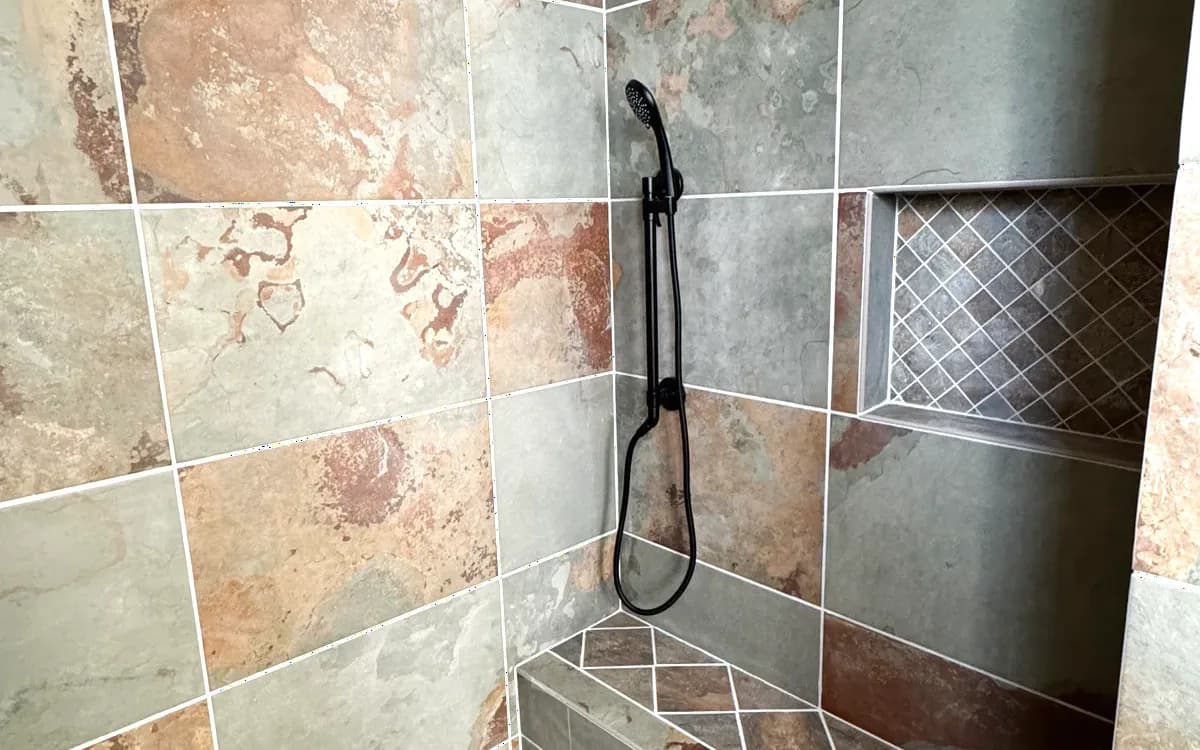
Pictured: a real Oakwood project in Elk Grove. See the full before & after
How the Sacramento Valley Climate Affects Bathroom Materials
Folsom sits in the Sacramento Valley, where the climate creates specific challenges for bathroom materials that homeowners in milder regions never face. Understanding these conditions is essential for choosing tile and flooring that will perform — not just look good during the first year.
Three climate factors matter most for bathroom materials in Folsom:
- Temperature extremes: Summer highs routinely exceed 105 to 110 degrees. Winter mornings can drop into the low 30s. Bathroom tile on exterior walls and slab floors experiences this full range — creating thermal expansion and contraction cycles that stress tile, grout, and adhesive bond lines. Materials with low water absorption rates handle these cycles best.
- Hard water: Folsom's water supply contains elevated levels of calcium and magnesium — the minerals responsible for hard water deposits. These white, crusty deposits build up on tile surfaces, inside grout joints, and on glass enclosures. Some materials resist this buildup while others absorb it permanently.
- Indoor climate differentials: In summer, the temperature difference between outdoor air (105+) and air-conditioned interiors (72 to 75 degrees) creates condensation potential on cooler surfaces. In winter, hot showers in cold bathrooms produce heavy condensation on walls, mirrors, and unheated tile surfaces. Proper ventilation and material selection both matter.
These are not theoretical concerns — they are the reason we see cracked grout, delaminated tile, and mineral-stained stone in Folsom bathrooms that used materials not suited to the local conditions. Proper tile selection is especially critical in wet areas like showers — learn more about our professional shower remodeling services. As Folsom's bathroom remodeling specialists, we select and recommend materials based on how they perform here, not how they look in a catalog.
Folsom Hard Water: What It Does to Tile and Grout
Folsom receives its water primarily from Folsom Lake via the San Juan Water District and the City of Folsom water system. While the water is safe to drink, it carries mineral content that leaves visible residue on bathroom surfaces — particularly in the shower where water evaporates on hot tile.
Here is how hard water affects different bathroom materials:
- Porcelain tile: Mineral deposits sit on the surface and can be wiped away with a mild acidic cleaner (white vinegar or a commercial hard water remover). The tile itself is unaffected because porcelain's near-zero porosity prevents absorption.
- Natural stone (marble, travertine): Minerals are absorbed into the porous surface over time, creating staining that cannot be removed with surface cleaning. Sealed stone resists this better, but sealers wear off and must be reapplied every 1 to 2 years.
- Standard grout: Absorbs mineral-laden water and develops a white, chalky buildup that darkens grout color unevenly. Once absorbed, it is extremely difficult to clean. Sealing helps but does not eliminate the problem.
- Epoxy grout: Does not absorb water at all, so mineral deposits sit on the surface and wipe away easily. This is why we strongly recommend epoxy grout for all wet areas in Folsom bathrooms.
- Glass (shower doors and panels): Hard water deposits build up on glass surfaces as white, hazy film. Protective coatings (EnduroShield, Diamon-Fusion) significantly reduce buildup. Without coating, glass requires weekly cleaning with a squeegee and periodic treatment with hard water removers.
For a deeper dive into tile choices for the region, see our porcelain vs. natural stone guide for Northern California bathrooms.
Porcelain Tile: The Valley-Proof Choice
Porcelain tile is the dominant choice for Folsom bathroom remodels — and for good reason. Its performance characteristics align precisely with what the Sacramento Valley climate demands:
- Water absorption under 0.5%: Porcelain is classified as impervious by the Tile Council of North America (TCNA), meaning it absorbs virtually no water. This makes it resistant to hard water staining, freeze-thaw damage, and moisture-related deterioration.
- Thermal stability: Porcelain handles the 30 to 110-degree temperature range without cracking, warping, or losing its bond. The low water absorption means no internal moisture to expand during temperature cycles.
- Hard water resistance: Mineral deposits sit on the surface rather than being absorbed. Regular cleaning keeps porcelain looking new for decades.
- Durability: Porcelain rates 5 to 7 on the Mohs hardness scale, making it resistant to scratching, chipping, and wear. Through-body porcelain (where the color extends throughout the tile body) hides chips better than surface-glazed options.
- Design versatility: Modern porcelain convincingly replicates marble, travertine, wood, concrete, and other natural materials — giving Folsom homeowners the look of premium materials with the performance of engineered tile.
For Folsom bathrooms, we recommend porcelain tile rated for floor use (PEI rating 3 or higher) with a matte or textured finish for slip resistance. Rectified porcelain (precision-cut with consistent edges) allows for tighter grout joints (1/16 to 1/8 inch) that minimize maintenance. For detailed material specifications, see our bathroom tile and waterproofing guide.
Natural Stone: Beautiful but High-Maintenance
Natural stone — marble, travertine, limestone, and slate — remains popular for its unique beauty and warmth. Each piece is genuinely one-of-a-kind, with veining, color variation, and texture that porcelain can approximate but not fully replicate. However, in Folsom's climate, natural stone requires a level of ongoing maintenance that many homeowners underestimate.
Marble
The most popular natural stone for bathrooms. Marble is softer than porcelain (Mohs 3 to 4), porous, and susceptible to etching from acidic substances — including many common bathroom products. In Folsom's hard water conditions, marble shower walls develop mineral deposits that penetrate the surface over time. Requires sealing every 12 to 18 months and cleaning with pH-neutral products only. Best used as an accent (niche liner, feature wall, countertop) rather than a full shower surround.
Travertine
A warm, natural stone with characteristic pits and voids. Filled and honed travertine works in bathrooms but requires the same sealing and maintenance as marble. The pits can harbor moisture and minerals if not properly filled and sealed. Cross-cut travertine is less porous than vein-cut and performs better in wet areas.
Slate
Denser and less porous than marble or travertine. Slate has natural texture that provides good slip resistance. It still requires sealing but holds up better to hard water than softer stones. The dark colors hide mineral deposits better than light marble. A practical natural stone option for Folsom bathroom floors if you are committed to the maintenance schedule.
Our recommendation: if you love natural stone, use it strategically in areas where it will be appreciated but not constantly exposed to running water — accent walls, vanity backsplashes, niche interiors, and floor borders. Use porcelain for the high-exposure areas (shower walls, shower floor, main bathroom floor) and enjoy the best of both materials.
Ceramic vs. Porcelain: Why It Matters Here
Ceramic and porcelain are both fired clay tiles, but they are not interchangeable — especially in the Sacramento Valley. The critical difference is density and water absorption:
| Property | Ceramic Tile | Porcelain Tile |
|---|---|---|
| Water absorption | 0.5% – 3.0% | Under 0.5% |
| Hardness (Mohs) | 3 – 5 | 5 – 7 |
| Temperature resistance | Moderate | Excellent |
| Hard water resistance | Good (surface deposits) | Excellent (no absorption) |
| Cost per sq ft | $1 – $8 | $3 – $15 |
| Recommended use | Walls, dry areas | Floors, walls, wet areas |
In Folsom's climate, porcelain is the clear winner for bathroom floors and all wet areas. Ceramic tile works for walls outside the shower and dry areas, but its higher water absorption makes it a poor choice for floors in a climate with significant temperature swings and hard water. The cost difference per square foot is typically $2 to $7 — a modest premium for dramatically better performance over the life of the tile.
Tile Sizes and Formats for Folsom Bathrooms
Tile size affects both aesthetics and maintenance. In Folsom bathrooms, larger tiles offer practical advantages beyond design appeal:
Large-Format (12x24, 24x24, 24x48)
Fewer grout joints mean less surface area for hard water deposits to accumulate and less maintenance overall. A 24x48 tile on a bathroom floor has roughly 60% fewer grout joints than a 12x12 tile covering the same area. Large-format tiles also create a cleaner, more contemporary aesthetic that makes bathrooms feel larger. The tradeoff is higher installation cost due to the precision required and the need for a perfectly flat substrate.
Medium-Format (4x12, 3x12 Subway, 6x6)
Subway tile and similar medium formats remain popular for shower walls and backsplashes. The elongated 4x12 and 3x12 subway formats offer a more modern proportion than the classic 3x6. More grout joints than large-format but still manageable with proper grout selection (epoxy for wet areas).
Mosaic (2x2, Hexagonal, Penny Round)
Essential for shower floors where the tile must conform to the slope toward the drain. Mosaic tile has many grout joints, which is why epoxy grout is non-negotiable for shower floor applications in Folsom. Hexagonal and penny round formats add visual interest to niche interiors and accent areas. Choose porcelain mosaic over ceramic or glass for shower floors — the slip resistance and durability are meaningfully better.
Grout Selection: The Often-Overlooked Decision
Grout selection matters as much as tile selection in Folsom bathrooms — arguably more, because grout failure is the most common issue we see in aging tile installations. Here are your options and our recommendations for more detail in our low-maintenance grout and shower options guide:
Epoxy Grout (Recommended for Wet Areas)
Epoxy grout is a two-part resin system that cures to a hard, non-porous surface. It does not absorb water, resists staining, does not grow mold, and never needs sealing. The color stays consistent for the life of the installation. Epoxy costs 2 to 3 times more than cement grout and requires experienced installation (it sets quickly and is less forgiving), but the lifetime maintenance savings are substantial. For Folsom's hard water conditions, epoxy grout in shower floors and lower shower walls is our standard specification.
Cement-Based Sanded Grout
The traditional choice for grout joints 1/8 inch and wider. Absorbs water and stains unless sealed. In Folsom, unsealed cement grout in a shower will show hard water discoloration within 6 to 12 months. With a quality penetrating sealer (applied after curing and reapplied every 1 to 2 years), cement grout performs adequately in dry bathroom areas. We use it for bathroom floors outside the shower where water exposure is intermittent.
Cement-Based Unsanded Grout
For grout joints under 1/8 inch — typical with rectified large-format tile. Same water absorption concerns as sanded grout. Requires sealing in any area exposed to water. Smooth texture makes cleaning easier than sanded grout but offers no resistance advantage against hard water without sealing.
Shower Floor Tile: Slip Resistance and Drainage
Shower floor tile has two non-negotiable requirements: it must be slip-resistant when wet, and it must conform to the slope toward the drain. Here is how we approach shower floor tile selection for Folsom installations:
- Slip resistance: Every shower floor tile must have a DCOF (Dynamic Coefficient of Friction) rating of 0.42 or higher. This is not optional — it is the minimum for wet-area safety. Matte and textured porcelain finishes easily meet this standard. Polished and high-gloss finishes typically do not.
- Size for center drains: Showers with center drains require the floor to slope from all four edges toward the center. This multi-directional slope works best with small-format tile (2x2, hexagonal) that can follow the curved surface without lippage.
- Size for linear drains: Showers with linear drains slope in one direction, which allows large-format tile (12x24 or larger) on the shower floor. This creates a cleaner, more modern look and reduces grout joint maintenance. The tile must still meet DCOF requirements.
- Grout for shower floors: Epoxy grout is our standard specification for every shower floor in Folsom. The combination of constant water exposure and hard water minerals makes cement grout a maintenance burden that epoxy eliminates entirely.
Heated Bathroom Floors for Valley Winters
Folsom winter mornings can drop into the low 30s. Stepping onto cold tile at 6 AM is one of the most common complaints we hear from homeowners during design consultations. Electric radiant floor heating solves this problem completely — and a bathroom remodel is the ideal time to install it.
Electric floor heating systems consist of thin heating cables or mats installed between the subfloor and the tile. They add minimal height (under 1/8 inch) and are controlled by a thermostat — often with programmable scheduling so the floor is warm when you wake up. Here are the details for Folsom installations:
- Material cost: $8 to $15 per square foot for quality systems (Schluter Ditra-Heat, NuHeat, SunTouch). A typical master bathroom floor (60 to 80 heated square feet) costs $500 to $1,200 for the heating elements.
- Thermostat: $150 to $400 for a programmable thermostat with floor sensor. Wi-Fi-enabled models allow control from your phone.
- Installation labor: $3 to $6 per square foot additional labor for laying the heating elements and connecting the thermostat. Adds approximately half a day to the tile installation schedule.
- Operating cost: Approximately $0.10 to $0.20 per day for a typical master bathroom when running during morning hours. Sacramento Valley electric rates are moderate compared to coastal California.
- Total added cost: $1,200 to $2,500 for a complete heated floor installation in a master bathroom — a modest addition to a remodel budget that delivers daily comfort for the life of the floor.
Heated floors work with porcelain, ceramic, natural stone, and most tile types. They cannot be added after the tile is installed — this is strictly a during-remodel upgrade. The Schluter Ditra-Heat system combines floor heating with an uncoupling membrane, which provides both thermal comfort and protection against tile cracking from subfloor movement.
Cost Comparison by Material Type
Here is what different tile materials cost in the Folsom market, including both material and professional installation:
| Material | Material/sq ft | Installed/sq ft | Annual Maintenance |
|---|---|---|---|
| Porcelain (standard) | $3 – $8 | $11 – $22 | Minimal (clean only) |
| Porcelain (premium/large-format) | $8 – $15 | $18 – $30 | Minimal (clean only) |
| Ceramic | $1 – $6 | $9 – $18 | Low (seal grout annually) |
| Marble | $15 – $40 | $25 – $55 | High (seal every 12–18 months) |
| Travertine | $10 – $30 | $20 – $45 | High (seal every 12–18 months) |
| Slate | $8 – $25 | $18 – $40 | Moderate (seal every 2 years) |
A typical Folsom master bathroom uses 200 to 400 square feet of tile (floor plus shower walls). Total tile cost (materials and installation) ranges from $4,000 to $10,000 for porcelain and $8,000 to $20,000 for natural stone. The lifetime maintenance cost of natural stone — sealing products, professional resealing, and more frequent cleaning — adds $200 to $500 per year compared to porcelain, which requires only standard cleaning.
Maintenance and Cleaning for Folsom Conditions
The right maintenance routine extends the life and appearance of your bathroom tile. Here is what we recommend for Folsom's specific conditions:
Weekly Cleaning
- Wipe down shower walls after each use with a squeegee — this removes 90% of hard water deposits before they dry
- Clean porcelain tile with a pH-neutral tile cleaner and warm water
- For natural stone, use only pH-neutral cleaners specifically labeled for stone (never vinegar, lemon, or acidic products)
- Clean grout lines with a soft brush — stiff brushes can damage grout surfaces
Monthly Deep Cleaning
- Treat porcelain tile with a hard water deposit remover (CLR, Lime-A-Way, or white vinegar diluted 1:1)
- Inspect grout for any signs of cracking, discoloration, or mold — address early before it spreads
- Clean shower glass with a glass-specific hard water remover
Annual Maintenance
- Reseal cement-based grout in dry areas with a penetrating sealer
- Reseal natural stone surfaces (if used) with a stone-specific impregnating sealer
- Inspect caulk lines at the tub-to-tile, shower-to-tile, and floor-to-wall transitions — recaulk if cracked or separated
- Check exhaust fan operation — a failing fan leads to excess moisture that accelerates grout deterioration
Choosing the Right Tile for Your Folsom Bathroom
Based on our experience completing bathroom remodels throughout Folsom — in Empire Ranch, Broadstone, Natoma Station, Prairie City, and Folsom Ranch — here are our specific recommendations by application:
- Bathroom floor: Large-format porcelain (12x24 or larger), matte or textured finish, DCOF 0.42+. Consider heated floor system for winter comfort.
- Shower walls: Large-format porcelain (12x24 or 24x48) in vertical stack or offset pattern. Same tile as the floor for visual continuity.
- Shower floor: 2x2 porcelain mosaic for center drains; large-format porcelain for linear drains. Epoxy grout. DCOF 0.42+ mandatory.
- Accent areas (niches, feature walls): Natural stone, glass mosaic, or contrasting porcelain. This is where premium materials add impact without the maintenance burden of a full installation.
- Vanity backsplash: Porcelain or ceramic — this area sees minimal water and is primarily decorative. More flexibility in material choice.
For more tile selection guidance specific to the region, read our Newcastle bathroom tile guide — the climate conditions and material recommendations are virtually identical to Folsom.
Frequently Asked Questions
Need Help Choosing Tile for Your Folsom Bathroom?
Oakwood Remodeling Group helps Folsom homeowners select tile and flooring that looks great and performs in the Sacramento Valley climate. We bring material samples to your home so you can see how they look in your space and lighting. Every project includes material guidance based on our experience with local conditions.
Related Reading
Bathroom Remodeling in Folsom, CA
Our full service area page for Folsom homeowners.
Porcelain vs. Natural Stone for NorCal Bathrooms
In-depth material comparison for the Sacramento region.
Bathroom Tile & Waterproofing Guide
Complete guide to tile selection and waterproofing systems.
Newcastle Bathroom Tile Guide
Tile selection for nearby Newcastle homes with similar conditions.
Low-Maintenance Grout-Free Shower Options
Alternatives to traditional grout for easier maintenance.
Get Your Free Estimate
Schedule your consultation today
Related Articles
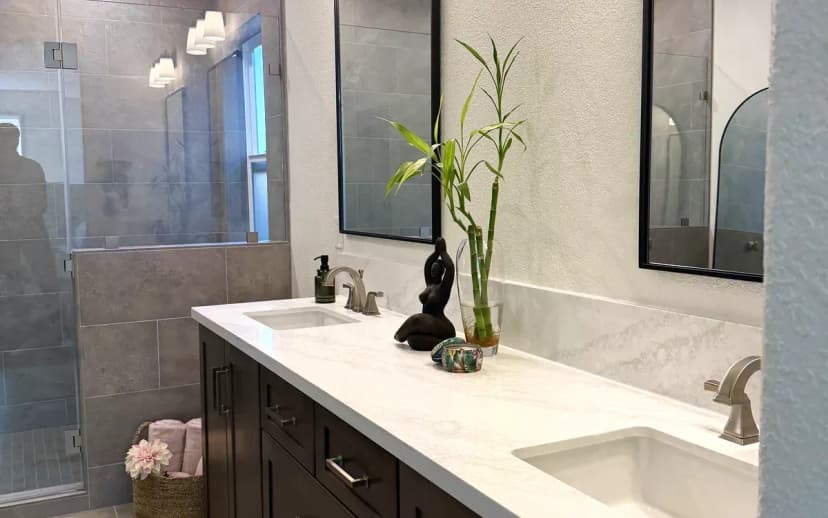
Bathroom Design Trends Folsom Homeowners Are Choosing in 2026
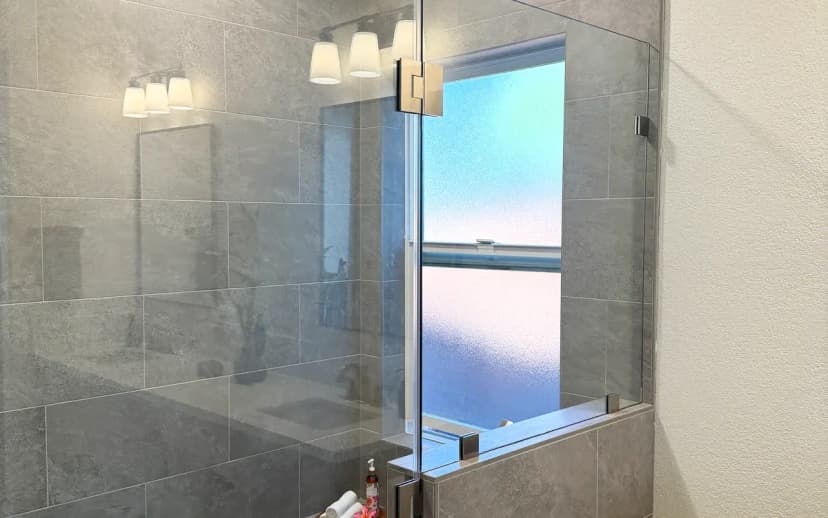
Water-Efficient Bathroom Fixtures for Folsom Homes: Save Water Without Sacrificing Performance
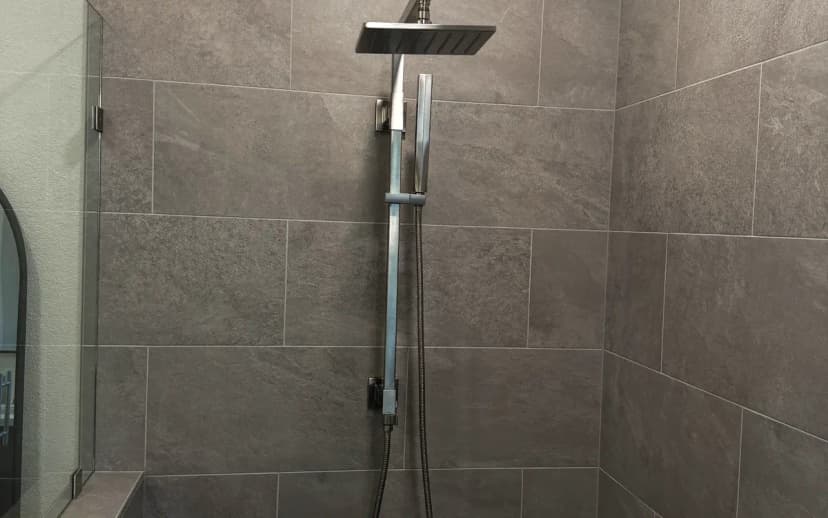
Folsom Bathroom Vanity Replacement: Styles, Sizes & Storage That Actually Work
Get a Free Estimate
Call us at (916) 907-8782 or fill out our contact form.