Folsom Master Bath Remodel: 2000s Homes Updated
Builder-grade vanities, oversized soaking tubs nobody uses, and tile that looked dated five years after installation. Here is what Folsom's 2000s-era master bathrooms actually need in 2026.
Looking for bathroom remodeling in Folsom? View our Folsom service area page →
Table of Contents
- 1. Why 2000s Folsom Master Bathrooms Need Updating
- 2. Neighborhood Breakdown: Empire Ranch, Broadstone, Natoma Station
- 3. Common Builder-Grade Issues We Find
- 4. The Soaking Tub Decision: Remove or Keep
- 5. Shower Upgrade Options
- 6. Vanity, Countertop, and Storage Upgrades
- 7. Waterproofing Behind the Tile
- 8. Tile and Material Selection for Folsom
- 9. Lighting and Ventilation Upgrades
- 10. Cost Breakdown by Scope
- 11. Permits, Timeline, and the Remodel Process
- 12. ROI and Resale Value in Folsom
- 13. Frequently Asked Questions
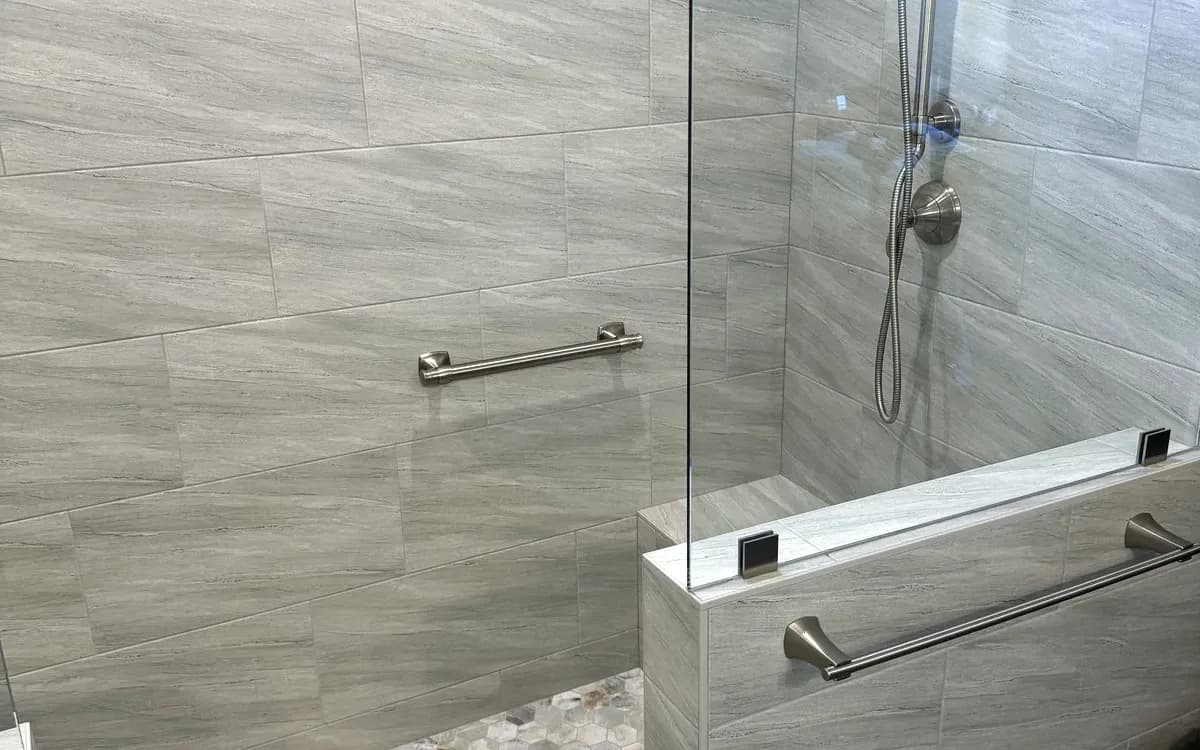
Pictured: a real Oakwood project in Citrus Heights. See the full before & after
Why 2000s Folsom Master Bathrooms Need Updating
Folsom experienced a massive building boom between 2000 and 2008. Thousands of homes went up across Empire Ranch, Broadstone, Natoma Station, and the neighborhoods south of Highway 50. Production builders like Lennar, KB Home, Toll Brothers, and Pulte delivered homes quickly and at price points that made Folsom one of the most desirable suburbs in the Sacramento region.
The master bathrooms in these homes looked impressive at first glance — dual vanities, separate tubs and showers, private toilet rooms. But the materials behind the cosmetic finishes were standard builder-grade, selected for cost efficiency rather than longevity. After 18 to 25 years of daily use, those materials have reached the point where a refresh means more than new paint and fixtures.
As Folsom's bathroom remodeling specialists, we have worked in these neighborhoods extensively. This guide covers what we actually find during demolition and what it takes to bring a 2000s master bathroom up to 2026 standards.
Neighborhood Breakdown: Empire Ranch, Broadstone, Natoma Station
Each Folsom neighborhood has slightly different construction characteristics based on the builder and build year. Here is what we see in the most common areas:
Empire Ranch
Built primarily between 2001 and 2006, Empire Ranch homes feature master bathrooms with separate oval soaking tubs, 36x48-inch shower stalls with fiberglass bases, 60-inch double vanities with cultured marble tops, and 12x12 ceramic tile floors. The layouts are generous — typically 100 to 140 square feet — but the materials have not held up. Cultured marble has yellowed, grout lines have darkened, and the tile choices feel firmly stuck in 2003.
Broadstone
Broadstone homes were built from 2003 to 2007 and tend to be slightly larger floor plans. Master bathrooms often include a corner soaking tub, a separate shower with glass block accent windows, and longer vanity runs of 72 inches. The construction quality is similar to Empire Ranch — greenboard behind tile, basic chrome fixtures, and single-speed exhaust fans. Some Broadstone homes have upgraded tile surrounds from the original build, but the waterproofing underneath is typically the same basic treatment.
Natoma Station and Prairie City
Natoma Station (2004 to 2008) and Prairie City (2005 to 2009) represent the later phase of Folsom's 2000s construction boom. These homes sometimes feature slightly better materials — cement board instead of greenboard in shower surrounds, PEX supply lines instead of copper, and larger-format tile. However, the overall design aesthetic is the same: oversized tubs, undersized showers, and builder-grade finishes that were chosen for the model home and replicated across hundreds of production units.
Folsom Ranch is Folsom's newest development area, with homes built from 2016 onward. While these homes are too new for major remodeling, they offer a useful reference point for current design expectations and material standards.
Common Builder-Grade Issues We Find
Every 2000s Folsom master bathroom remodel starts with demolition, and demolition reveals what the builder actually installed. Here are the most common issues we encounter:
- Cultured marble vanity tops: The gel-coat finish has yellowed, cracked, or worn through to the substrate underneath. These cannot be refinished — they need replacement.
- Basic tile with narrow grout joints: Original 12x12 or 13x13 ceramic tile with 1/16-inch grout joints that trap moisture and grow mold. The tile itself is often builder-grade ceramic with a printed pattern that has faded unevenly.
- Fiberglass shower bases: The acrylic or fiberglass shower pan has flexed and cracked after years of use. Some have slow leaks at the drain connection that only become visible during demolition.
- Undersized exhaust fans: Original fans are typically 50 to 70 CFM — below current HVI recommendations for rooms this size.
- Basic chrome fixtures: Single-function showerheads, basic faucets, and towel bars that show every water spot. Rocklin and Folsom's hard water accelerates this wear.
- Plate glass mirrors glued to drywall: Removing these often damages the drywall behind them, adding repair work to the project.
These are not cosmetic complaints — they are functional failures that affect daily use and can hide moisture damage behind the walls. Learn more about what we uncover during demolition in our post on Folsom spa master bath ideas.
The Soaking Tub Decision: Remove or Keep
The oversized soaking tub is the defining feature of 2000s master bathrooms — and the first thing most Folsom homeowners want to discuss. These tubs occupy 20 to 30 square feet of floor space, take 15 minutes to fill, and almost nobody uses them regularly. Here is how we help homeowners decide:
Remove the Tub When
- You have another bathtub in the home (hall bath or guest bath)
- You want a larger, more functional walk-in shower
- No one in the household uses the tub more than a few times per year
- You want to open up the floor plan and create visual space
Keep the Tub When
- It is the only bathtub in the home
- You have young children who need a tub for bathing
- You genuinely enjoy soaking baths and use the tub weekly
- You plan to sell within 2 years and your agent recommends keeping it
In our experience, roughly 70% of Folsom master bath remodels remove the soaking tub in favor of an expanded shower. The remaining 30% replace the oversized tub with a smaller, freestanding model that takes up less floor space while still providing a bathing option. Read more about this decision in our master bathroom remodel service page.
Shower Upgrade Options
The shower is the centerpiece of a modern master bathroom. Whether you are expanding into the tub space or upgrading within the existing footprint, here are the options that work best in 2000s Folsom homes:
Walk-In Shower with Frameless Glass
The most popular choice. A curbless or low-curb walk-in shower with frameless glass panels replaces the old fiberglass base and framed glass door. Typical dimensions after tub removal are 60x36 or 60x48 inches — substantially larger than the original shower stall. Large-format porcelain tile on walls and a linear drain system on the floor create a clean, contemporary look.
Multi-Function Shower System
Modern shower systems combine a fixed rainhead, a hand shower on a slide bar, and sometimes body sprays — all controlled by a thermostatic valve that maintains consistent temperature. This replaces the original single-function showerhead and single-handle valve. The plumbing for a multi-function system is straightforward in 2000s construction because the wall framing is accessible during the remodel.
Built-In Niches and Benches
Recessed niches replace hanging shower caddies and wire shelves. We typically install two — one at standing height and one lower for shaving. A built-in corner bench or floating bench adds functionality without consuming floor space. Both features are built into the framing and fully waterproofed before tiling.
Vanity, Countertop, and Storage Upgrades
Original 2000s vanities in Folsom master bathrooms are typically 60-inch raised-panel oak or maple cabinets with cultured marble tops. These cabinets are structurally sound but visually dated — the raised-panel style and golden oak finish define the 2000s builder aesthetic.
Modern replacements use flat-panel or shaker-style doors in white, gray, or natural wood tones. Floating vanities are increasingly popular because they make the floor space feel larger and simplify cleaning. Quartz countertops have replaced cultured marble as the standard — they require no sealing, resist Folsom's hard water staining, and are available in patterns that mimic marble, concrete, and natural stone. For more on material options, see our luxury bathroom materials guide.
Storage upgrades include full-extension soft-close drawers (replacing the original swing-out doors), built-in drawer organizers, under-sink pull-out trays, and medicine cabinets with integrated LED lighting. A well-designed vanity stores more in 60 inches than the original stored in 72.
Waterproofing Behind the Tile
Waterproofing is the most important invisible upgrade in any Folsom master bathroom remodel. The original 2000s construction used greenboard or basic cement board with minimal waterproofing — often just a thin coat of latex-modified thinset or a paint-on sealer that was not a true membrane.
Modern waterproofing standards require a continuous barrier on every surface in the wet area. We use two proven systems:
- Schluter Kerdi membrane: A bonded polyethylene sheet applied over cement board. Creates the waterproof barrier directly behind the tile. Best for showers with complex geometry, niches, and curbless designs.
- Liquid-applied membrane (RedGard or Hydroban): A roller-applied waterproofing applied directly to cement board. Two coats minimum with reinforcing fabric at seams and corners. Cost-effective for standard shower configurations.
Both systems meet TCNA and IAPMO standards. The cost difference between greenboard-and-hope and a proper membrane system is roughly $800 to $1,500 — a fraction of the total project cost that protects the entire investment.
Tile and Material Selection for Folsom
Material selection for Folsom bathrooms needs to account for local conditions — hard water from the Folsom-area water supply and seasonal temperature swings from winter lows in the 30s to summer highs above 105 degrees.
Floor Tile
Large-format porcelain (12x24, 24x24, or 24x48) is the top performer. Porcelain has near-zero water absorption (under 0.5%), handles temperature fluctuations without cracking, and resists hard water mineral buildup better than natural stone. A DCOF rating of 0.42 or higher ensures slip resistance. For shower floors, 2x2 mosaic porcelain allows proper slope to the drain.
Wall Tile
Carrying the same large-format porcelain from floor to walls creates visual continuity that makes the bathroom feel larger. Accent strips, decorative niches, or feature walls in contrasting mosaic or natural stone add visual interest without overwhelming the space. Subway tile in classic or elongated formats remains a strong choice for homeowners who prefer timeless over trendy.
Fixtures and Hardware
Brushed nickel, matte black, and brushed gold are the most popular fixture finishes in current Folsom remodels. All three hide water spots better than the original polished chrome. WaterSense-certified fixtures reduce water usage by 20% or more — important in drought-conscious Northern California.
Lighting and Ventilation Upgrades
Original 2000s master bathrooms typically have a single vanity bar light, one recessed can over the shower, and a basic exhaust fan. This lighting scheme creates shadows at the mirror and leaves the shower dim. Modern master bathrooms need layered lighting:
- Vanity lighting: Wall sconces flanking the mirror at eye level provide shadow-free task lighting for grooming. LED strips behind the mirror add ambient glow.
- General lighting: LED recessed cans on a dimmer for overall illumination. Four to six cans for a typical master bathroom.
- Shower lighting: Dedicated waterproof LED recessed fixtures inside the shower enclosure. One per 20 square feet of shower area.
- Accent lighting: Optional LED toe-kick lighting under the vanity provides nighttime navigation without full-brightness illumination.
For ventilation, we replace the original single-speed fan with a Panasonic WhisperGreen or equivalent humidity-sensing fan rated at 100 to 150 CFM. These fans run automatically when moisture levels rise and operate at under 0.5 sones — virtually silent compared to the original 3+ sone units. Proper ventilation is especially important in Folsom's climate, where hot showers in air-conditioned homes create significant condensation potential.
Cost Breakdown by Scope
Here are realistic cost ranges for master bathroom remodels in 2000s Folsom homes, based on our actual project data:
| Project Type | Cost Range | Timeline |
|---|---|---|
| Same-layout remodel (new tile, vanity, fixtures) | $30,000 – $40,000 | 3 – 4 weeks |
| Tub removal + expanded walk-in shower | $40,000 – $55,000 | 4 – 5 weeks |
| Full remodel with layout changes | $48,000 – $65,000 | 5 – 6 weeks |
| Luxury spa-level remodel | $60,000 – $85,000 | 6 – 8 weeks |
These ranges include materials, labor, permits, demolition, and disposal. They do not include upgrades outside the bathroom scope (water heater replacement, whole-house repipe, or HVAC modifications). Folsom project costs tend to run 5 to 10% higher than Rocklin due to slightly higher material delivery costs and the complexity of slab work in 2000s foundations. For broader pricing context, see our Folsom spa master bath guide.
Permits, Timeline, and the Remodel Process
The City of Folsom Community Development Department requires permits for any bathroom remodel involving plumbing changes, electrical work, or structural modifications. Here is the typical process:
- Design and planning (1 to 2 weeks): Material selection, layout finalization, and scope documentation. We measure the existing space and develop detailed plans.
- Permit application (1 to 2 weeks): We submit plans to the City of Folsom and schedule inspections. Processing averages 5 to 10 business days.
- Demolition (1 to 2 days): Remove existing fixtures, tile, drywall, and inspect framing, plumbing, and subfloor.
- Rough plumbing and electrical (2 to 3 days): Upgrade supply lines, drains, wiring, and exhaust ductwork. Schedule rough inspection.
- Waterproofing and substrate (2 to 3 days): Install cement board, apply waterproof membrane, and allow cure time.
- Tile installation (3 to 5 days): Floor tile, wall tile, shower floor, and niches. Includes setting, grouting, and caulking.
- Fixture installation (1 to 2 days): Vanity, toilet, shower glass, mirrors, lighting, and accessories.
- Final inspection and walkthrough (1 day): City inspector verifies code compliance. We walk you through the completed project.
Total construction time averages 3 to 5 weeks depending on scope. Folsom's permit processing is generally efficient, but scheduling inspections during peak construction season (spring and summer) may add a day or two to the timeline.
ROI and Resale Value in Folsom
According to the National Association of Realtors 2025 Remodeling Impact Report, a midrange bathroom remodel recovers 73.7% of cost at resale nationally. In Folsom's competitive housing market, recovery rates tend to run higher — particularly in 2000s neighborhoods where updated bathrooms contrast sharply with original-condition listings.
Folsom homes in Empire Ranch, Broadstone, and Natoma Station currently sell in the $650,000 to $900,000 range. A $40,000 to $55,000 master bathroom remodel represents a 4% to 8% investment relative to home value — well within the range that appraisers and buyers recognize. Homes with updated master bathrooms consistently sell faster and receive stronger offers compared to original-condition competitors.
Beyond resale, the daily quality-of-life improvement matters most to homeowners who plan to stay. A master bathroom you use twice a day, every day, should function well and feel good. Builder-grade finishes from 2003 deliver neither. For a deeper look at remodeling ROI in the region, read our 2026 master bath trends guide.
Frequently Asked Questions
Ready to Update Your Folsom Master Bathroom?
Oakwood Remodeling Group has completed dozens of master bathroom remodels in Empire Ranch, Broadstone, Natoma Station, and throughout Folsom. We know what 2000s homes need — from the waterproofing behind the walls to the fixtures you see every day. Every project includes a detailed scope, fixed pricing, and a timeline you can count on.
Related Reading
Bathroom Remodeling in Folsom, CA
Our full service area page for Folsom homeowners.
Master Bathroom Remodel Services
Complete master bathroom remodeling for Sacramento-area homes.
Folsom Spa Master Bath Luxury Ideas
High-end master bathroom design inspiration for Folsom.
2026 Master Bath Trends
Current design and material trends for master bathrooms.
Luxury Bathroom Materials Guide
Premium materials for high-end bathroom remodels.
Get Your Free Estimate
Schedule your consultation today
Related Articles
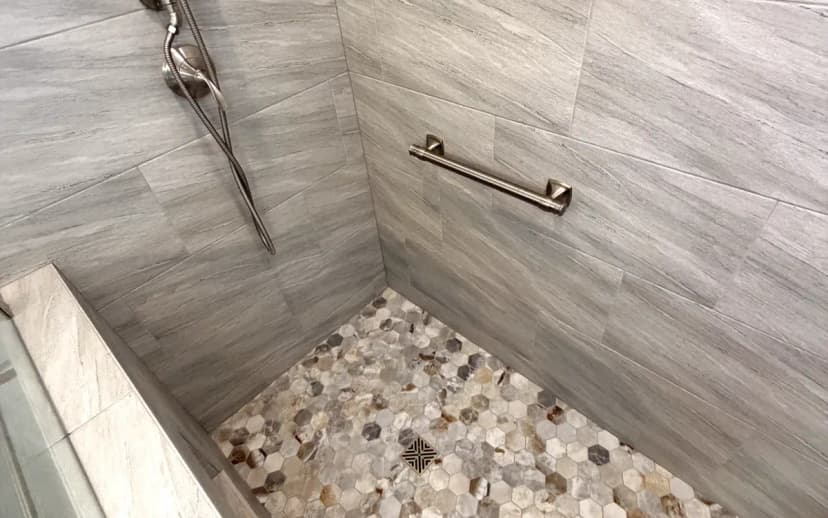
Folsom Spa-Inspired Master Bath: Luxury Ideas That Actually Work
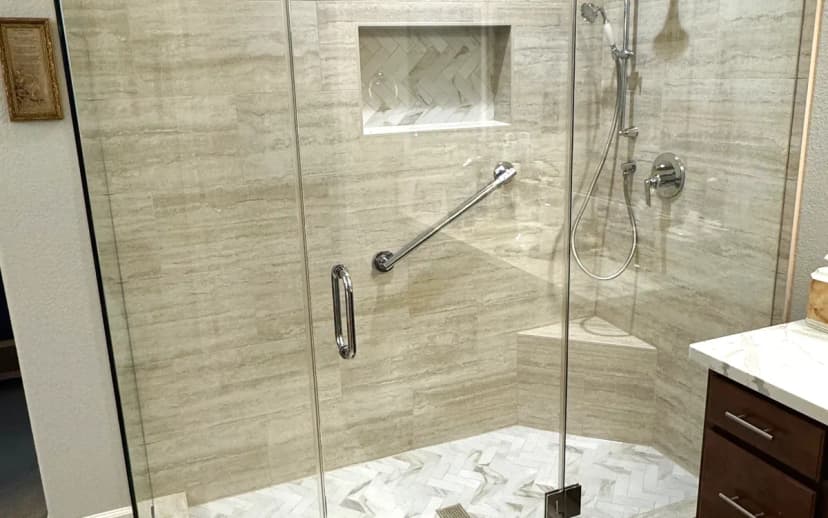
El Dorado Hills Master Bathroom Remodel: Luxury Upgrades for Premium Homes
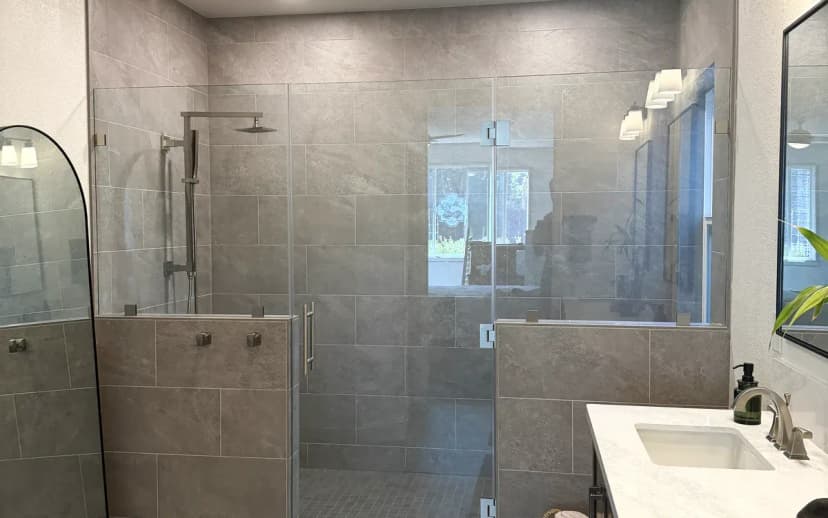
El Dorado Hills Luxury Master Bath: Spa-Level Features for Serrano and Promontory Homes
Get a Free Estimate
Call us at (916) 907-8782 or fill out our contact form.